E-Paper



Search continues for big cat in forests near Bhopal
Madhya Pradesh forest department is divided over whether to just radio collar tigers that have strayed near the state capital or shift them to other tiger reserves, given the various suggestions coming forth for dealing with the man-tiger conflict in Bhopal.


Madhya Pradesh forest department is divided over whether to just radio collar tigers that have strayed near the state capital or shift them to other tiger reserves, given the various suggestions coming forth for dealing with the man-tiger conflict in Bhopal.
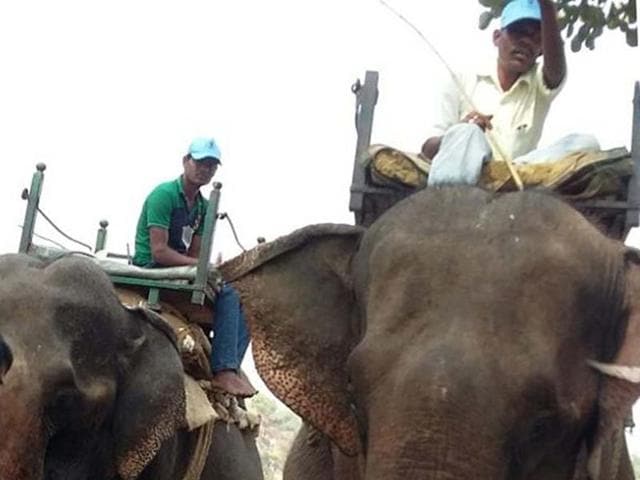
At a time when a search operation is on to catch the feline T1 in the forest areas near Bhopal, sources in the department said there was no consensus among senior officials yet whether the tiger, if captured, should be just radio collared or shifted to Panna Tiger Reserve or Satpuda Tiger Reserve.
Till Sunday evening, the tiger T1 could not be caught, even as forest officials said that it was sighted around 3.30 pm in the forest area near Bhopal.
Forest depat yet to decide whether to shift tigers or not
In the last few weeks, the state forest department has convened several meetings and sought suggestions from the retired wildlife officials on how to deal with the man-tiger conflict in Bhopal.
The department had also decided to hold a press conference on Sunday, but later it was deferred till Monday afternoon.
When contacted, divisional forest officer (DFO), Bhopal, AK Singh admitted different suggestions were coming on how to deal with the man-tiger conflict in the state capital. He said department was yet to decide whether to shift the tigers or not.
He, however, added that whatever the decision, radio collaring the tiger would help the department in ensuring safety of the tiger and people.
According to the wildlife officials, there are 15 to 19 tigers in Ratapani wildlife sanctuary, apart from six to seven feline that have strayed out of the sanctuary, which is around 40 kms from Bhopal. This spillover from Ratapani was leading to man-tiger conflict in Bhopal.
The shifting of the first tiger has already been questioned by some wildlife activists, who allege that the tiger that was captured in Bhopal on October 29 was translocated in violation of the guidelines to Panna Tiger reserve, where a tigress had recently been found to be infected by canine distemper virus (CDV).
Hearing today in high court
Meanwhile, hearing on the tiger movement in and around Bhopal will be heard by the MP high court on Monday.
The petitioner in the case, Ajay Dubey, is likely to raise the issue on how tigers are being hounded out from the forests near Bhopal in gross violation of the norms.
“We will appraise the court that according to the report of the National Referral Centre on Wildlife Healthcare, Bareilly, the tigress, which died in Panna in September, had canine distemper virus in her brain tissue. The state wildlife got its report on August 28 and despite this how they took the decision overnight to send the tiger to Panna where it can catch such an infection,” Dubey said.