
 E-Paper



A timely literary listicle
LGBT History Month commemorates the marches on Washington for LGBTQ rights in October 1979 and 1987. Here’s a list of queer-themed books to read this month

 Prefer HTon Google


From caste dynamics in the capital to AI history and the intersection of faith and gayness, this reading list is as vibrant as the rainbow flag.

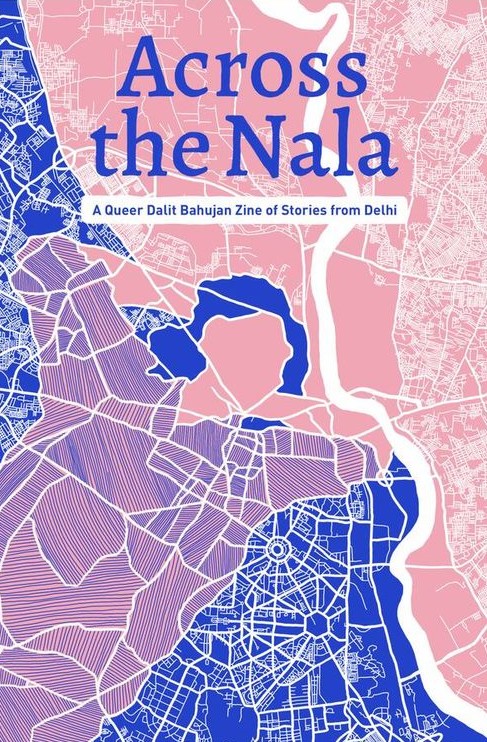
In The Writing Life, Annie Dillard notes how writing changes “in your hands, and in a twinkling, from an expression of your notions to an epistemological tool.” In the truest sense, this notion is upheld in a recently released zine, Across the Nala: A Queer Dalit Bahujan Zine of Stories from Delhi. In its prologue, editor Dhiren Borisa reflects on the evidential nature of memory, inviting readers to “witness our map of Delhi — a map imbued with Dalit Bahujan queer hope. To be in Delhi, to become Delhi.” The contributors note how caste dynamics shape relationships, who can hold space, and whose caste and class background is considered worthy of association with the capital. Through fantastic illustrations and powerful submissions, the zine’s contributors reject the popular imagination of an elitist and casteist understanding of queer expression that continues to inspire purchase in many quarters of Delhi. The zine serves as a literary pushback against the invisibilisation of Dalit and Bahujan queer lives.
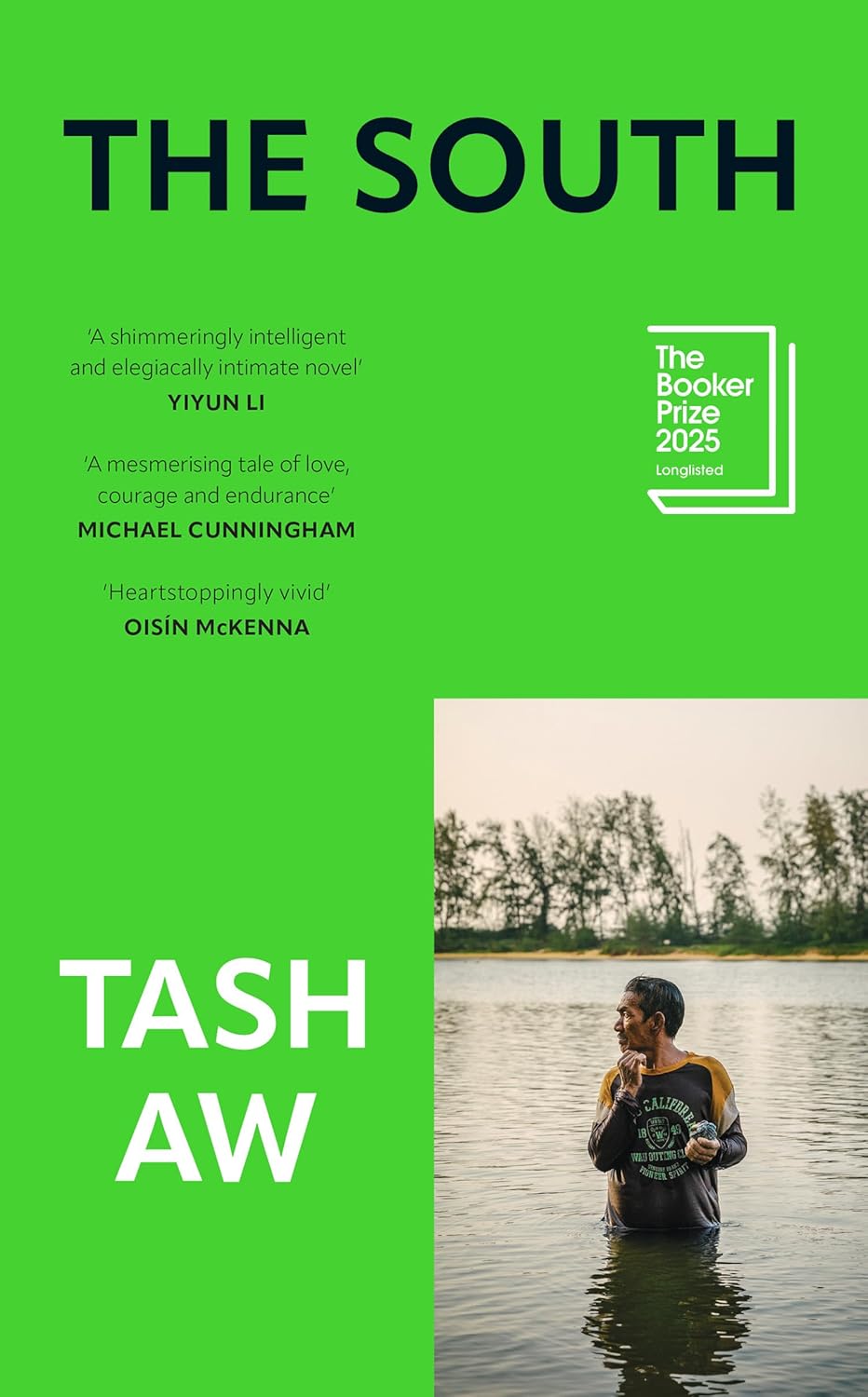
The association with land, desire, and racism is distinctly observed in Malaysian writer Tash Aw’s The South. Aw sketches each character into being effortlessly. He plays with the slippery nature of memory and desire in accentuating Chuan’s carelessness, which is construed as freedom, and in underlining the shame that Jay’s cluelessness attracts. There’s a moment that these two principal characters share, which is something that many queer people may have witnessed but may have failed to articulate. Sample this: “Shh — [Jay] hears Chuan say at last. A thin hushing sound, almost like a whistle. Shh. Which is strange, because no one is making any noise.”
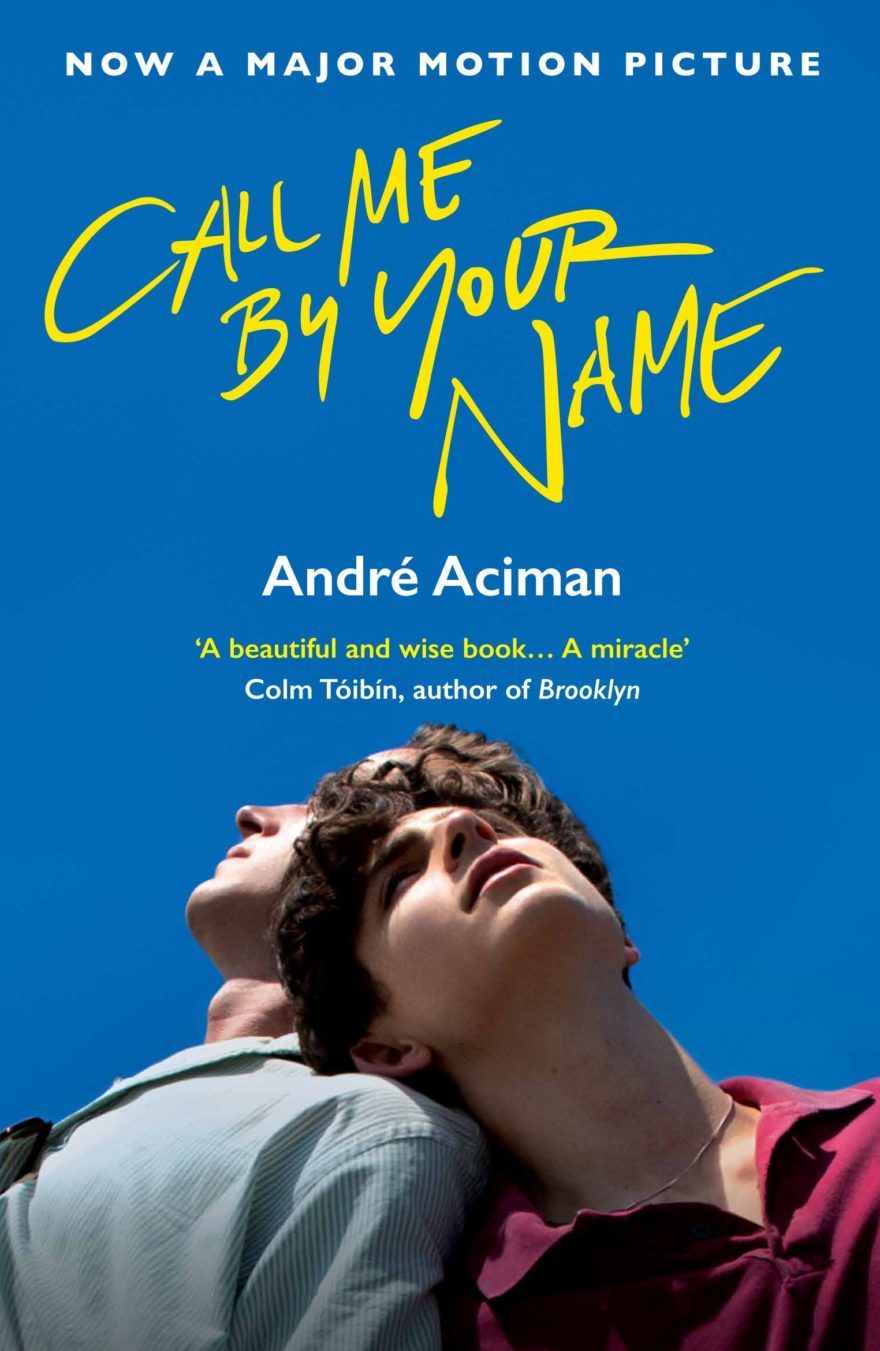
Some love arrives unannounced, and leave the individual scarred by its equally unpredictable disappearance, which is the central theme of one of the finest ‘summer of love’ novels: André Aciman’s Call Me By Your Name. The book begins with this sentence — “Later!” The word, the voice, the attitude, cementing right away the impact a lover’s words can have. There’s not always a higher plane in which desires play out in this novel. Often, it’s at the level of instant gratification; the transactional expression of lust and desire that several queer people using all sorts of dating apps may have experienced. Here’s what the narrator notes: “I know desire when I see it — and yet, this time, it slipped by completely. I was going for the devious smile that would suddenly light up his face each time he’d read my mind, when all I really wanted was skin, just skin.”
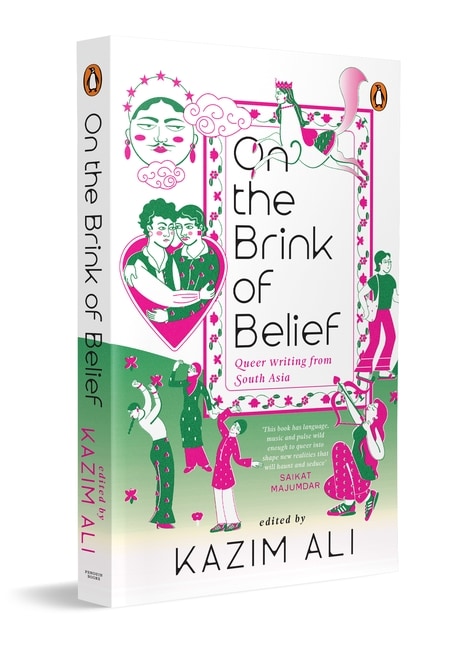
The vagaries of a queer person’s life punctuate a recent volume that’s at the intersection of faith and queerness, On the Brink of Belief: Queer Writing from South Asia. Edited by Kazim Ali, this book that grew out of a writing program devised by the Queer Muslim Project, makes you think of queer expression viewed tangentially through the lens of faith.
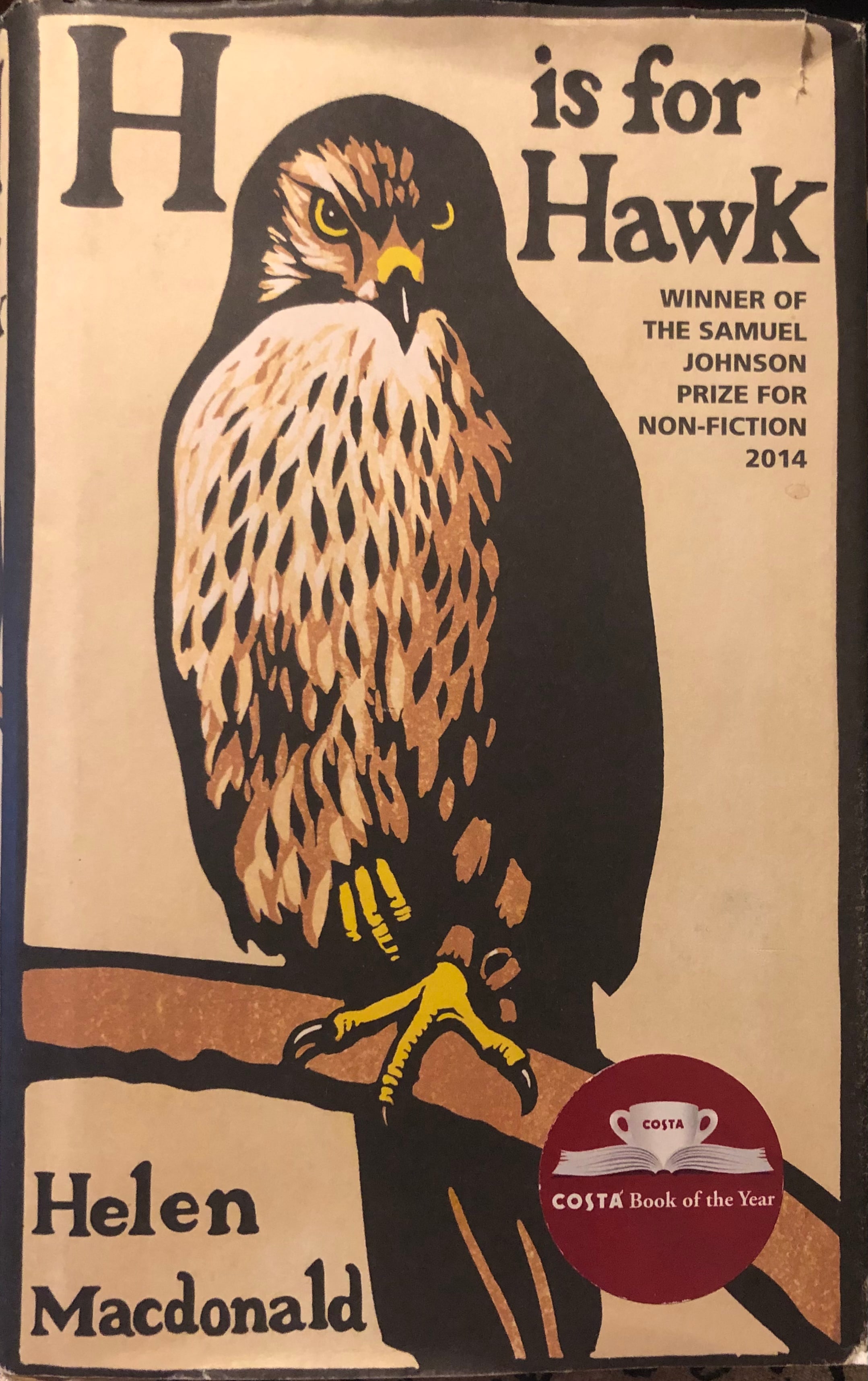
Three remarkable works of nonfiction — Lost & Found: Reflections on Grief, Gratitude and Happiness by Kathryn Schulz, H Is for Hawk by Helen Macdonald, and Just Kids by Patti Smith -- deal with grief, desire, and queerness.
Schulz’s memoir documents her search for the meaning of the father-shaped void in her life, expresses how finding her partner C. was an extraordinary blessing in her life, and ends with a reflection of how life is a series of unending ‘ands’. As the book’s epigraph from A Pluralistic Universe by William James notes, “The word ‘and’ trails long after every sentence.” From exploring the “avaricious nature of loss” to noting how we find things either “by searching or by serendipity”, and slipping in how the English alphabet, until the 19th century, ended with “and”/“&”, Schulz demonstrates her skill at connecting disparate ideas.
In Macdonald’s view, “memories are like heavy blocks of glass” that she is trying to put together to make sense of the loss of her father. She is thinking of training a goshawk, which, she notes “is like looking for grace.” But it’s her articulation of the nature of time while grieving that is brilliant: “Time didn’t run forwards any more. It was a solid thing you could press yourself against and feel it push back; a thick fluid, half-air, half-glass, that flowed both ways and sent ripples of recollection forwards and new event backwards so that new things I encountered, then, seemed souvenirs from the distant past.” The more the book appears about loss and hawks, the more it reveals itself to be about TH White — the writer who suppressed his love for a boy and turned to writing about the countryside, “a love that was safe to write about”.
Smith’s recollection of the time she spent with the American photographer Robert Mapplethorpe is an extraordinary documentation of the “unsettling paranoia, an undercurrent of rumours, snatched fragments of conversation anticipating future revolution” that her generation witnessed. Mapplethorpe, who died of AIDS, examined queer expressions in a variety of ways: through capturing nudes, gay BDSM subculture, and an abundance of image-defying self-portraits. Theirs was a love that cannot be pigeonholed in a category: it was art in itself; something both artists wanted to create “with or without the rest of the world.”
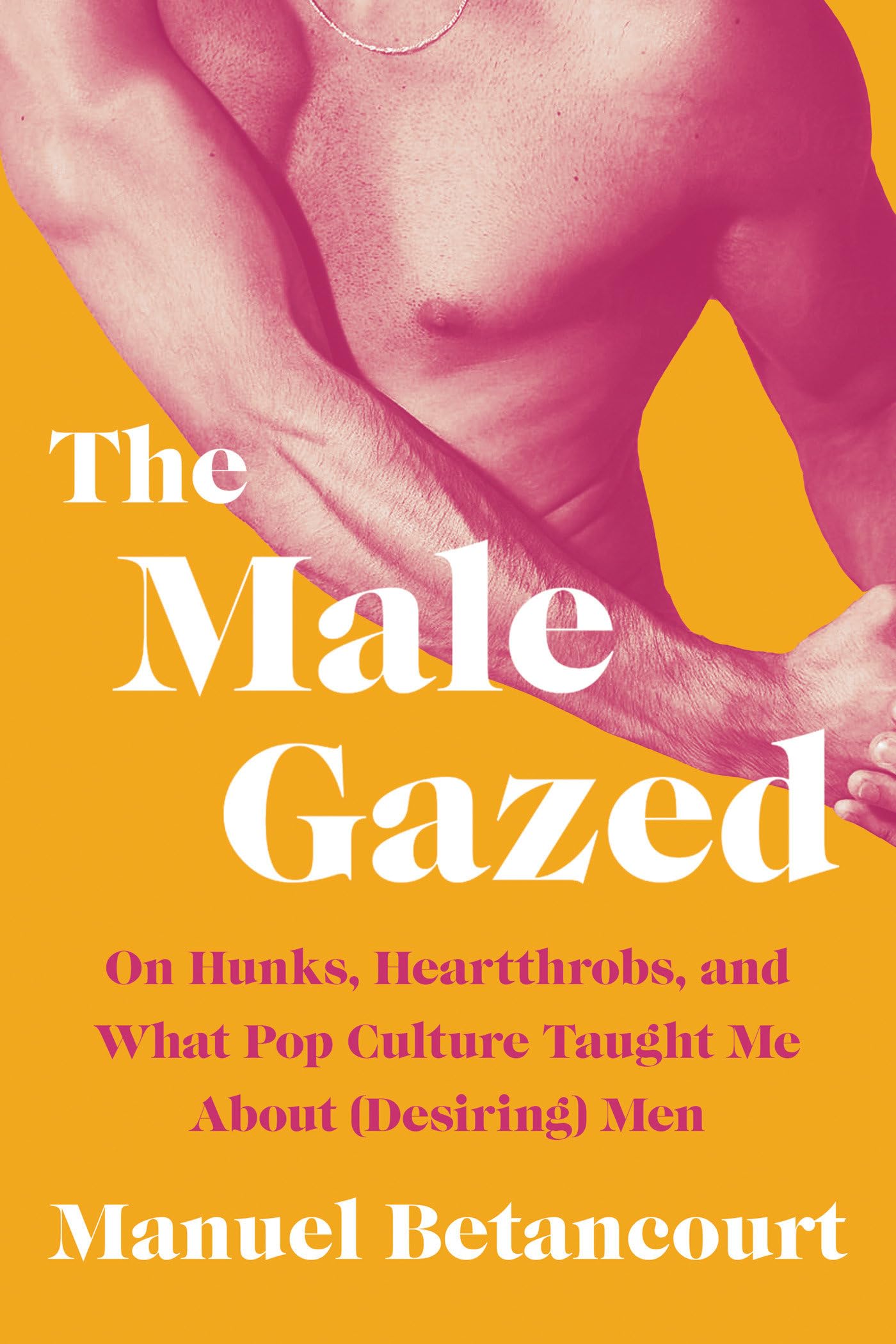
The Male Gazed: On Hunks, Heartthrobs, and What Pop Culture Taught Me About (Desiring) Men by Manuel Betancourt deals with the effects of the projection of images of desire on someone who is still figuring out where they fit in the scheme of things. “I’ve looked at men around me, in screens both big and small (and sometimes in the real world as well) for guidance on what kind of man I wanted to become.” A classic study of observing men’s bodies as they advertently or inadvertently slip into a space of “privileged invisibility”, the book makes one question whether these bodies “can be made vulnerable” or whether they can “spill over into indecent, or sexual, or yes, homoerotic, if not outright gay, territory.” The chapter on Ricky Martin in particular may strike a chord with Indian queers who may have experienced sexual awakening seeing popular figures like Milind Soman, the Band of Boys, and Ganesh Hegde in the indie pop music videos of the 1990s.
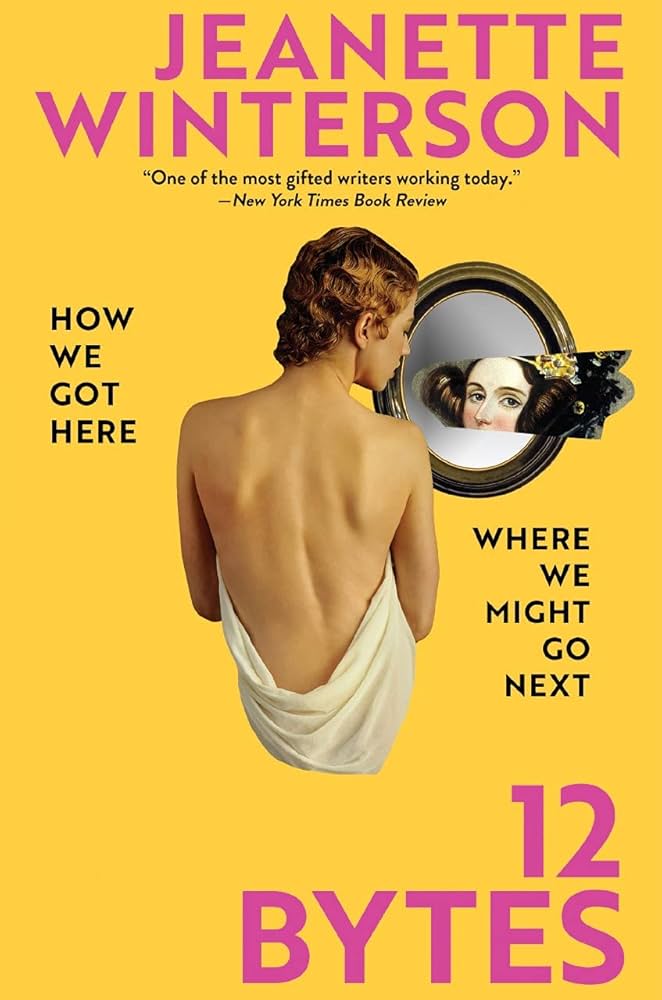
Jeanette Winterson’s 12 Bytes: How We Got Here, Where We Might Go Next pushes back at the notion that men are the pioneers of AI and the future world. The book outlines the queer history behind the present digital revolution, underlining the connection between Mary Shelley and Ada Lovelace, who helped design a computer program and has never been credited for it.
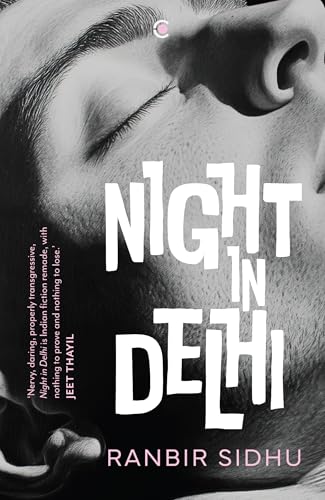
Night in Delhi by Ranbir Sidhu and Adam Mars-Jones’ Box Hill complicate desire and the city. The respectability the queer individual lets go in attempting to satiate unruly desires are distinct features of both these books.

In pushing the boundaries of fiction, however, nothing comes close to two books by Torrey Peters: her debut Detransition, Baby and her latest, Stag Dance. Peters presents the myriad ways of looking at transness. Whether it’s a story in which everyone has to take hormones because two quarrelling girlfriends happen to invent a contagion or the way she tries to make people witness teenage love in which the principal protagonist is almost daring you to label them in a neat position, she continues to celebrate nonbinary and trans people’s expression of love, desire, and agency complicatedly — something that literary works must turn towards in order to create a space for newer queer directions, futures, and expressions.
Saurabh Sharma is a Delhi-based writer and freelance journalist. They can be found on Instagram/X: @writerly_life.


