
 E-Paper



Book Box | Booker Prize-winning and other longlisted tales of the sea and sky
Soar into space, the sea, and serendipity with this year's Booker Prize-winning and shortlisted and longlisted novels.

 Prefer HTon Google


Dear Reader,
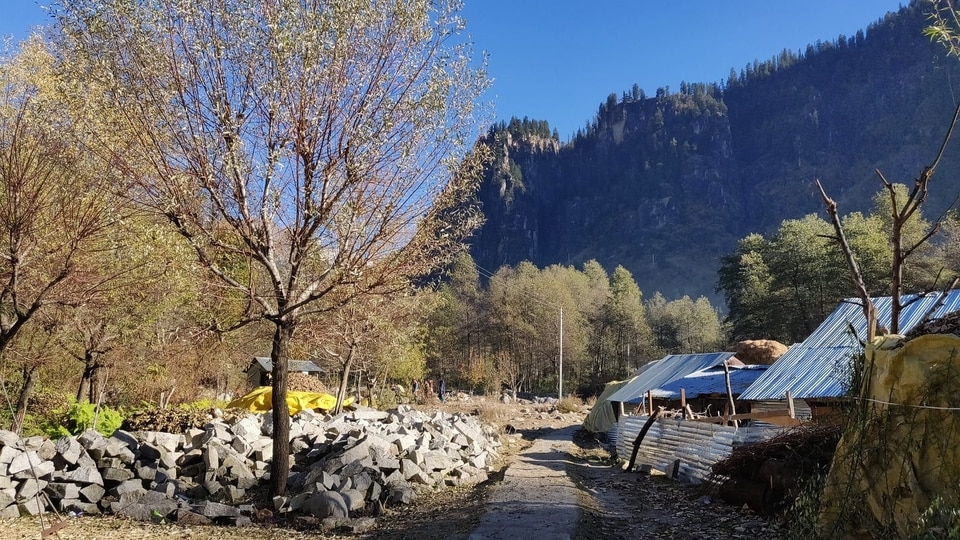
Autumn is turning into winter. When I get home in the early afternoon, the sun has set behind the mountains and there is a chill in the air.
I switch on the oil heater in the study and work at my grandfather’s wooden desk. After a while, I go downstairs to the kitchen to make myself a mug of spiced tea. In a saucepan, I mix ginger, fennel and the star anise that I have picked up from a little shop in an alleyway in the market. The shop is the old-fashioned kind where spices are in glass jars and the shopkeeper weighs just as much as you ask for, counting out nutmegs at ₹20 apiece and then putting them into paper bags, unlike the pre-packaged polythene-clad supermarket spice sachets.
Reading the Booker Prize shortlisted quietly contemplative Stone Yard Devotional, I am comforted to find author Charlotte Wood objecting to these supermarket sachets. When her character arrives in a monastery in rural Australia after a bruising breakup, she is dismayed to find a cupboard full of sachets of coffee and creamers and other processed goods. This is the magic of literature, I think to myself – discovering unlikely synchronicities with one’s own life in the most unexpected of places.
Outside darkness falls. Low in the sky, a gibbous moon gleams over a forest full of deodar trees. A wintry chill descends. I surrender to the climate gods, bundling up my belongings, my laptop and my books, and work propped up against the headboard in my quilt-covered bed.
Later that night, I pick up my bedtime reading, my stories of the sky and the sea.
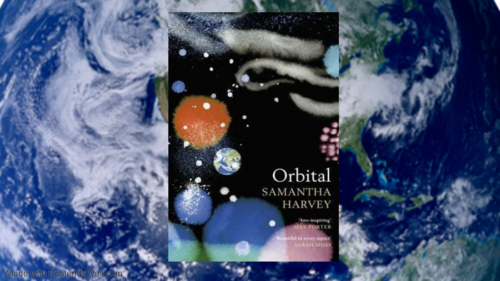
In Orbital, I am in outer space with four astronauts (American, Japanese, British, Italian) and two cosmonauts (both Russian) watching “the continents and oceans fall away beneath — the lavender Arctic, the eastern tip of Russia vanishing behind, storms strengthening over the Pacific, the desert-and mountain creased morning deserts of Chad, southern Russia and Mongolia and the Pacific once more.” The prose is poetic. I highlight lines and forget to notice there is no plot. The novel works beautifully as a device to explore meaning --- as the characters reflect on everything --- from the interpretation of a Velasquez painting to the significance of a personal photograph. I am happy Orbital won this year’s Booker prize. This little novella has such a love of the earth, that it feels just right for the times.
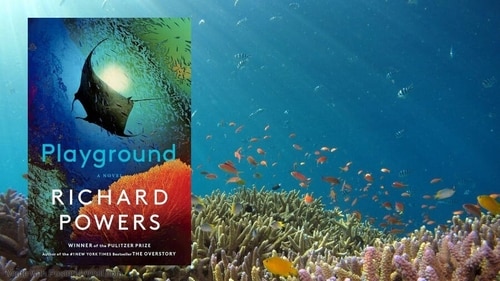
On another day in Playground, I descend with Evie Beaulieu to the depths of the sea, watching phytoplankton, manta rays, sickle sharks and other sea creatures. Reading this story takes me back to my first diving trip in the Andaman islands, to the thrill of gliding through coral outcrops, past pairs of clownfish and giant trevally.
The second thread in Playground feels personal. It’s the story of an unusual friendship between a black poet and a white computer nerd, a friendship that reflects the complex and contradictory relationship between the arts and the sciences, and the stark gap between the poor artist and the prosperous scientist.
The action in this Booker Prize-longlisted novel moves from Chicago to French Polynesia, from an artificial intelligence universe to the depths of the ocean. The stories bring in real-life people and policies — there’s a referendum in the Polynesian islands to vote on ‘seasteading’, a venture where Elon Musk and Peter Thiel-like characters create their private fiefdoms on the sea. To these, add games the characters play, the worlds they explore and those they ruin and you have a sprawling story, with allusions to literature, poetry, oceanography and the metaverse. I read this richly dense book slowly — and the worlds in it stayed with me long after.
And then it’s Children’s Day and I miss my daughters even though they are no longer children. All three have grown up to be readers — here are some of the strategies I employed to get my children to be readers. And here for you, are some stunning picture books for children on art, science, food and personal finance.
And until next week, happy reading.
Sonya Dutta Choudhury is a Mumbai-based journalist and the founder of Sonya’s Book Box, a bespoke book service. Each week, she brings you specially curated books to give you an immersive understanding of people and places. If you have any reading recommendations or suggestions, write to her at sonyasbookbox@gmail.com
The views expressed are personal


