
 E-Paper



Book to screen: From Shy to Steve
Porter’s novella is built like a mind under strain — it’s splintered, restless, and grasping for a rhythm which it can never quite find.

 Prefer HTon Google


Max Porter’s Shy was never an easy book to adapt. Its pages thrummed with noise — an unfamiliar rhythm of self-interruption — the inside of a young man’s fractured mind, which is tuned to the tempo of rage, regret, and sadness. Yet in Steve, director Tim Mielants and Cillian Murphy don’t so much translate the text as play its note. The result is a film that feels less like an adaptation and more like an echo — raw, intimate, haunting, and devastatingly alive.
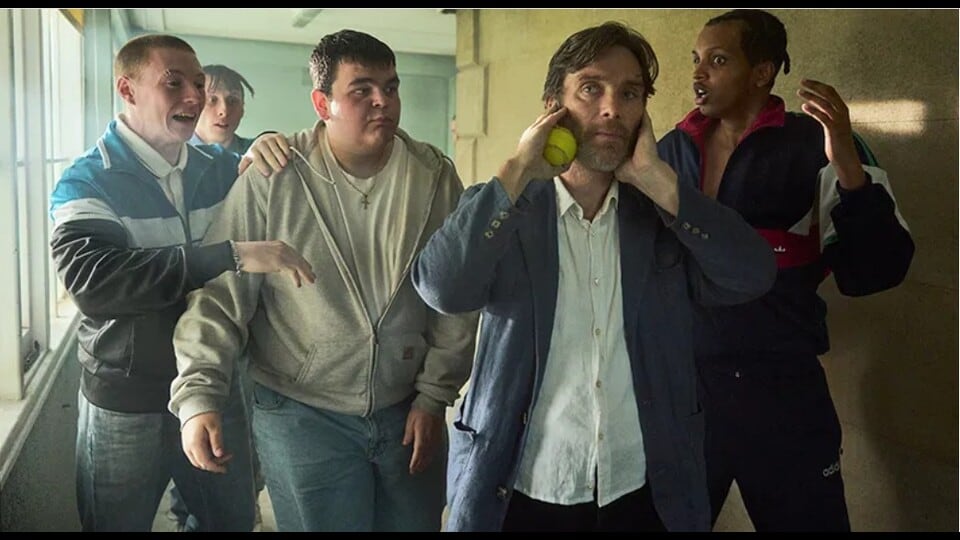
The film opens up with Steve (Murphy), head teacher of Stanton Wood, arriving on campus. A last chance reform school for boys with societal and behavioural issues, it is teeming with noise and chaos. Adding to it is the fact that there is a documentary crew, invited by Steve, with the hopes that some publicity will help increase interest for the program and bring in some much-needed funding. As the day passes, we see the student body, get to know their struggles, their interactions with each other and what happens when the fate of the school comes into jeopardy.
Porter’s novella is built like a mind under strain — it’s splintered, restless, and grasping for a rhythm which it can never quite find. The sentences stutter, and spill, dialogue cuts off mid-thoughts, perspectives shift without warning. One paragraph is the present; next the past; next someone else looking in from the outside. Reading it feels disorienting. Porter never tells how Shy feels as much as makes readers bear the weight of his mind.
While Shy focuses on Shy’s interior dialogue, Steve zooms out and brings others into play, effectively creating an atmosphere that increases the chaos and the empathy exponentially. Along with Shy, the film also shows the other boys at Stanton Wood — their teasing, their brawls, their hidden dreams. Steve is brought into the spotlight as the glue that keeps the school and these boys from falling apart.
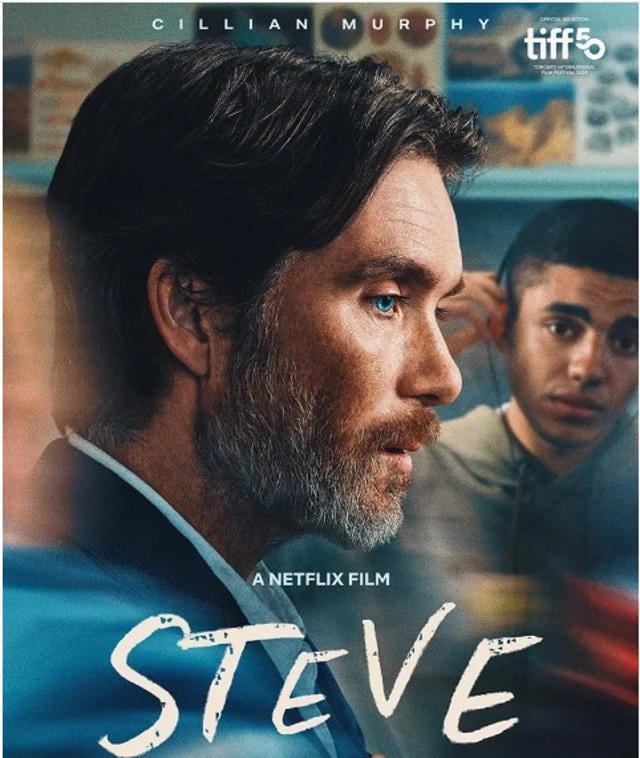
Steve comes as Mielants and Murphy’s second partnership. Having previously worked on Small Things Like These (based on Claire Keegan’s novella of the same name), their chemistry translates effortlessly on screen. With cinematography that mirrors the shaky environment and colouring that brings out the drab UK weather, it draws readers into the story with ease. As scenes unfold, the unease increases. Viewers are left on the edge of their seats wanting to stop from the story’s unfolding towards a tragic end, only to be redeemed at the last moment.
A huge part of what makes Steve so affecting is the writing itself. Adapted for the screen by Porter, it carries the same bruised heart as his book, but with a fuller, more lived-in body. Many book-to-screen adaptations disappoint due to the clash between the author and the director/screenwriter’s vision — there’s no such dissonance here. The boys of Stanton Wood, each carrying their own quiet despair, are portrayed with such rawness and restraint that it’s hard not to ache for them. Jay Lycurgo, as Shy, brings to the screen what Porter offers in the pages of his book — expertly showcasing a mind which is young, angry, scared, and desperate to be seen.
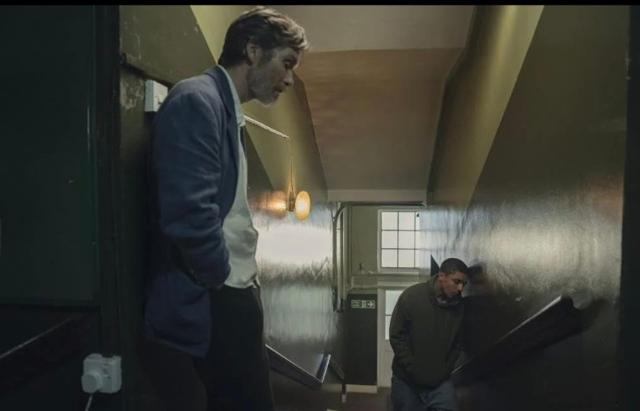
Murphy’s performance as the passionate head teacher is what makes the film memorable. There is a quiet ferocity to the way he inhabits Steve — his exhaustion is palpable, but so is his instinct to keep moving, to keep holding the boys and their school together. In the smallest gestures — a tremor in his jaw, a nerve twitch in his neck, the falter in his voice, the slight slump in his posture — he communicates the toll it takes to just… care. Murphy’s performance is not of a man unraveling, but as one who has immense love that weighs him down. It’s a deeply internal performance, built not on grand outbursts but on tremendous restraint.
In a streaming landscape that is shaped by algorithms and an industry where films and shows are made to be “second-screen worthy”, Steve feels like a quiet act of resistance. It rejects sleekness, the cookie-cutter colour palettes, the overly obvious and timed emotional bets that have come to define so much of Netflix’s storytelling. Watching it on the same interface that queues up overly graphic crime dramas, and cringe-infused romantic movies feels almost wrong; Steve belongs in a dark festival theatre, where you can sit in the front row and feel the air shift. It’s not a film you should watch while scrolling reels. It’s a film that quietly demands to be witnessed.
Rutvik Bhandari is an independent writer. He lives in Pune. He is a reader and a content creator. You can find him talking about books on Instagram and YouTube (@themindlessmess).


