
 E-Paper



Essay: Fostering - the truth about cats, dogs, and humans
On the great joys and the emotional and financial exhaustion that comes with looking after animals in need and dealing with the humans who proclaim they care for them on social media but rarely do anything in the real world

 Prefer HTon Google


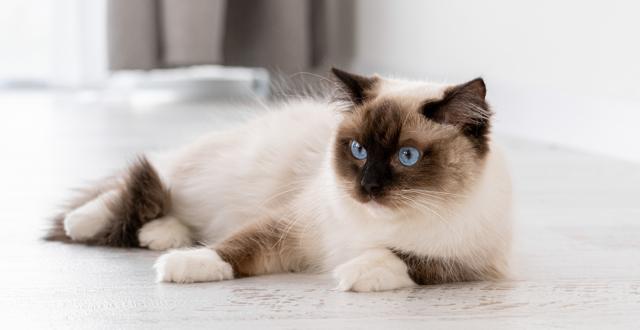
Smoky’s mother was heading off on a month-long holiday and was looking for someone to take care of her year-old fluffy Ragdoll cat. Though she had purchased Smoky from an illegal breeder for ₹25,000, she was unwilling to pay the cat boarding charges which are usually upwards of ₹500 a day. Someone put her in touch with me and she made a good case for why she did not trust catteries and why I am her best bet. When I did not fall for her sweet talk, she scared me with: “I have no option but to return Smoky to the breeder.” I reluctantly gave in.
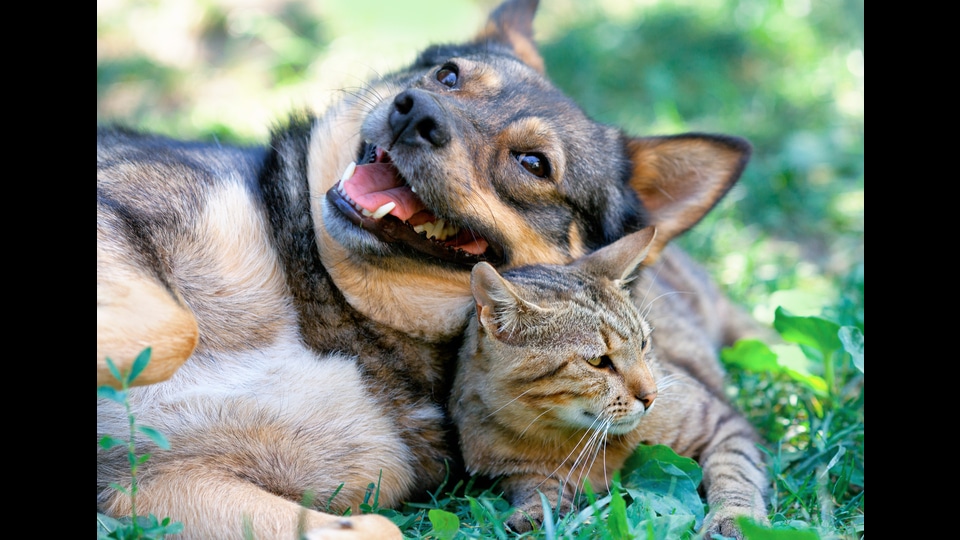
Smoky stayed free of charge, not for one but two-and-a-half months. In between, I had to get him neutered to deal with his growing aggression and had to cancel my own travel plans. After keeping Smoky for two months, I gently nudged Smoky’s mother to take him back. She claimed to be unwell and called me unreasonable and heartless.
Layla, a two-year-old mixed-breed, sickly white cat, arrived for a brief stay. Her pregnancy was kept a secret from me. Within the next two months, the cat count in my house had shot up by four. Layla’s mother has since travelled half the world – from South Africa to the United Kingdom – and I have spent the same time hand raising the kittens, scheduling their vaccinations, and getting them sterilised.
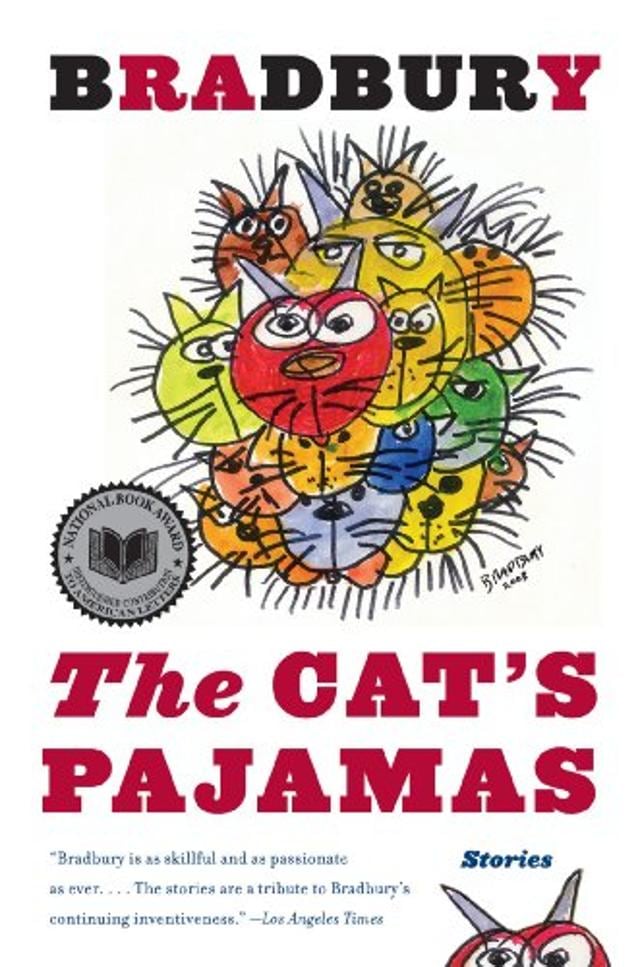
That’s the template of most foster stories, unlike what one reads in Ray Bradbury’s The Cat’s Pajamas where two cat lovers fight over who will keep a stray cat they find in the middle of a California highway.
In Smoky’s case, I was lucky, he did go back to his mother. Layla and her four kittens are home for a lifetime. However, life cannot be imagined without Layla and her four blue-eyed kittens, Ivory, Silver, Sugar, and Spice, or Rani – the neighbour’s cat - who fell off the fifth floor, or Superman, the 14 kg cat who was tinier than a baby squirrel, when the security guards brought him home four years ago. It’s quite something to see the tiny Rani, once all broken from her fall, take on our dogs. This bundle of energy spends a larger part of the day taunting Dragon, the youngest dog, from across the half door to his room, and the other half is spent flying across pelmets and doors or bullying senior cats. Rani, Superman, and Dragon were all fosters at one time.
There were no takers for the mischievous Mirchi, too, because of her aggression and, I suspect, her coat colour. Seven years on, this once unwanted kitten, who I agreed to foster, is the naughtiest resident of the house. No new arrival can survive till it has Mirchi’s seal of approval. Jackie is her latest target, and saving Jackie, who is three times her size, from her wrath is literally a 24x7 task. Chasing Mirchi with a water spray bottle to save Jackie is as much a part of my routine as replenishing cat food and water bowls.

I can only seek consolation in TS Eliot’s, who doted on his cat Jellylorum, famous words, “When a cat adopts you there is nothing to be done about it.”
I can never equal Japanese writer Osaragi Jirō’s feat, who fed at least 500 semi-feral cats in his house in Kamakura. But every single foster cat and dog has come with a heart-wrenching back story. Three years on, Batasha, the gentlest cat I have encountered to date, still moves around the house gingerly in a trance-like state. She is often found staring at food, while others push her aside and gobble up her treats. Beta who was mauled by dogs and blinded brings the house down with his loud meows, if he isn’t fed first. Olive, the paralysed dog, creates a ruckus if she learns that I have stepped out of the house without her.
The great joys that come from fostering are not without the occasional embarrassment. Like the rare time, when someone decides to invite himself over and cannot find a place to sit, or when he takes in the state of the house and tries to unsee expensive furniture scratched or chewed beyond recognition.
In such trying times, I am reminded of WH Auden: “Cats can be very funny, and have the oddest ways of showing they’re glad to see you. Rudimace always peed in our shoes.”
And, who knows, may be the felines are complaining of a human smell. Japanese author Haruki Murakami’s, whose love for cats is legendary, writes in Town of Cats:
‘Hey, do you smell something human?’ one of the cats says. ‘Now that you mention it, I thought there was a funny smell the past few days,’ another chimes in, twitching his nose. ‘Me, too,’ yet another cat says. “That’s weird. There shouldn’t be any humans here,” someone adds. ‘No, of course not. There’s no way a human could get into this town of cats.’ ‘But that smell is definitely here.’
Each cat and dog is unique. Like humans, they all have quirky personalities, and it’s a challenge to make them comfortable, and name them. Whenever a new foster arrives, these cheeky lines by Eliot come back in a flash:
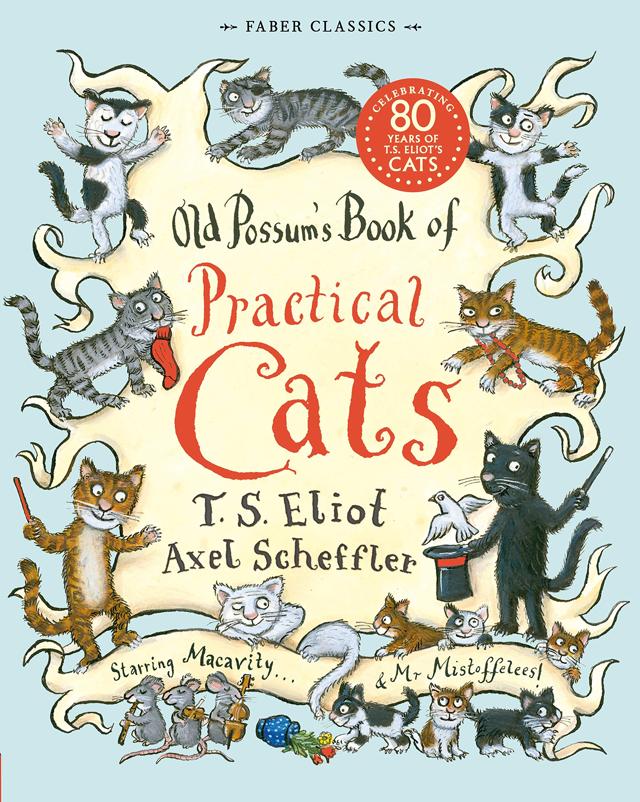
“But I tell you, a cat needs a name that’s particularA name that’s peculiar, and more dignifiedElse how can he keep up his tail perpendicularOr spread out his whiskers, or cherish his pride?”
However, it is not just humans who are making constant adjustments to give animals a better life, the animals are doing the same in their own understated ways. Often I hear people say how rewarding and gratifying it is to foster animals. It does give one a sense of purpose, but I think, in the end, the foster parents stand to benefit more. Nothing in this world equals the unconditional love and the therapeutic company of a foster.
That said, the flip side of fostering is that one gets marked by the animal welfare brigade. For every thousand armchair animal activists, articulating the rights of animals on social media, there is perhaps just one lone warrior physically tending to a sick cat or dog. No matter how much you retreat to keep this welfarist brigade at bay, they return with requests, playing with your emotions, and then, despite yourself, you give in.
Apart from making time and space for the sick animal, the emotional and financial exhaustion is massive. A single trip to the neighbourhood veterinarian can cost up to ₹4000 ( ₹1800 for basic blood work, plus consultation charges, medication/IV administration, and transportation). These trips are usually multiplied by five to seven, sometimes twice a day, depending on the condition and progress of the patient. Add to this, the anguish, the tears, and the countless sleepless nights. When the patient does recover, the celebratory mood is cut short, when the inevitable question pops up: where does the cat or dog go now?
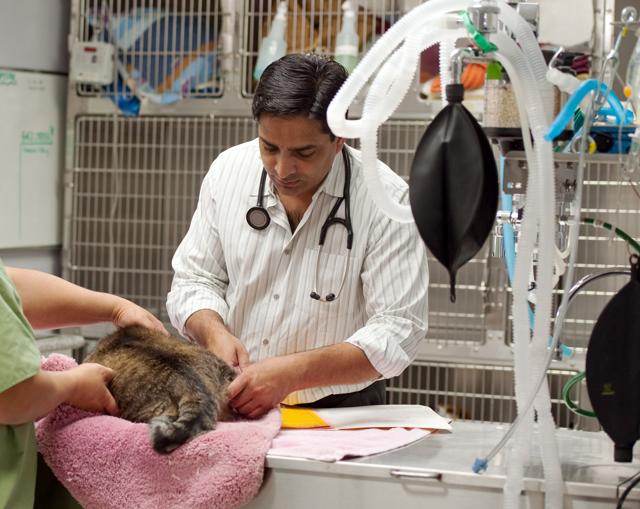
Since they are still in recovery mode and can experience a relapse, they cannot be released back into their territory. Sending them to a dog or (non-existing) cat shelter is impossible. Firstly, dealing with the politics that goes into securing a berth for a dog or cat; and secondly, no matter how good the shelter is – it can never compare with personalised home care.
I am partial to cats, not because I don’t like dogs. I usually like to blame this on space constraints even as I marvel and secretly take pride in writer Jon Ronson’s theory (“The Psychopath Test”) which claims that psychopaths prefer obedient animals – i.e. dogs to cats. He cites the example of Adolf Hitler who seemed to have despised cats.
Ronson has probably built on what writers have known for centuries. French writer Alexandre Dumas of The Three Musketeers fame, who owned three cats Mysouff I, Mysouff II, and Le Docteur, stated eons ago, “The cat, an aristocrat, merits our esteem, while the dog is only a scurvy type who got his position by low flatteries”.
I have learned to not see fostering as temporary parenting. When a cat or dog arrives, I just know they are home for good. It’s rare to see an animal get successfully adopted. The clinical approach - foster-nurture-rehabilitate-find a forever home – has not worked for me. In the 15-plus years that I have been fostering animals, I have been lucky only once. A 10-week-old pup, hit by a car, found a home in Canada, almost immediately after her accident. Two other pups, who were adopted amid much fanfare on social media by an animal welfarist, had a terrible time later, as the family couldn’t keep them any longer. The failed adoption was not mentioned on any social media platform.
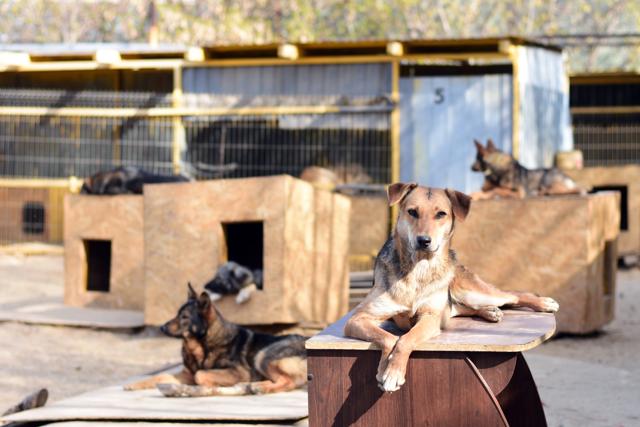
In recent times, fostering animals has become even more tricky for those living in apartments. Any new addition to the house can be unnerving with most municipalities making it mandatory for pet owners to register their pets, and obtain a no-objection certificate in this regard from neighbours. The anti-animal brigade is in a combative mode – objecting to pet dogs barking in apartments to being walked in community areas. Our neighbour objected to our paralysed dog’s stroller being parked in the common area, although other baby strollers and bicycles are parked there too.
It’s easy to smuggle in a cat and convince yourself there’s a place for just one more, but the future is far from rosy for dogs. They cannot be accommodated in shelters that are being run at full capacity. The only way to check this endless stream of unwanted animals is the active spaying and neutering of cats and dogs, and an active crackdown on illegal breeders.
Till that happens the only way forward is to imagine myself as a lucky resident of Murakami’s Town of Cats, and immerse myself over and over again in My Family, and Other Animals - the hilarious and richly detailed account of the rather eccentric Durrell family in Corfu rescuing snakes, scorpions, owls, and whatnot.
Lamat R Hasan is an independent writer. She lives in New Delhi.


