
 E-Paper



Essay: Frozen in time and memory; Conversations with Guru Dutt’s sister
Yasser Usman writes about Lalitha Lajmi’s contribution to his book, on the film maker.

 Prefer HTon Google


"What is the first image that comes to mind when you think about your brother?” I asked Lalitha Lajmi, the eminent artist, who also happens to be Guru Dutt’s much-loved younger sister.
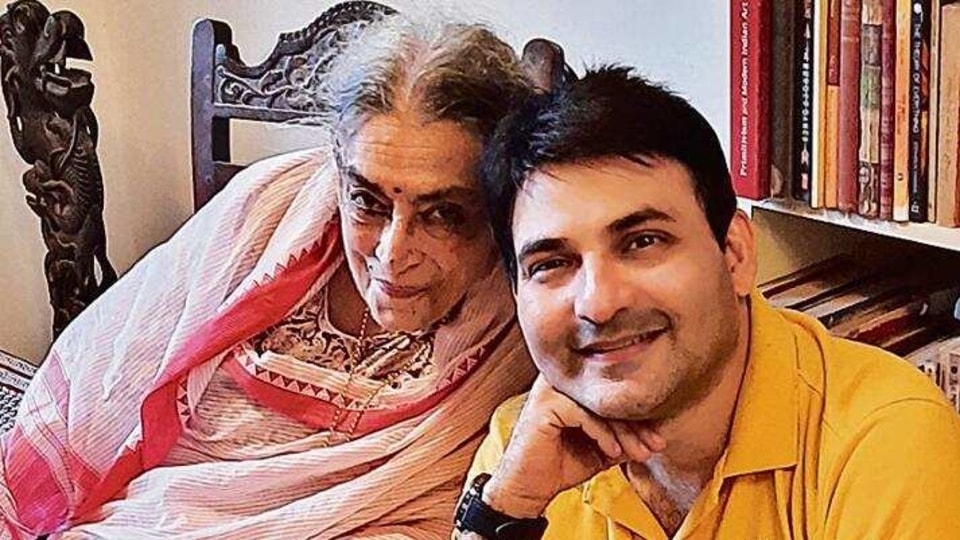
She went silent for a few moments, her face acquiring a deeply melancholic look, as if travelling back in time. “For years, I had dreams of Guru Dutt lying on his bed with his eyes half open and an unfinished book. I try to wake him up. I say, ‘Get up! Get up! Your admirers are waiting below the balcony!’ I keep looking at his face. He looks like he is in a deep sleep. I keep waiting for him to get up but he is dead. The moment in time is frozen for me forever,” she replied teary-eyed.
During my research for my book on Guru Dutt and my multiple conversations with Lalithaji, there were many such moments when she was moved by her memories. The artist, who is now 88 years old, witnessed the life and times of Guru and Geeta at close quarters and I was fascinated by the episodes she narrated in vivid detail, including particulars about people, places, dates and timelines.
As a biographer, I was curious to know what troubled the auteur who, despite creating masterpieces and racking up phenomenal achievements within a span of just 10 years, decided to end his life at the young age of 39. I also wanted to know why Geeta Dutt, a star in her own right, was not a crucial character in previous accounts on Guru Dutt. Why was her version denied? Then, the story of Guru and Geeta Dutt unravelled through Lalithaji’s account.
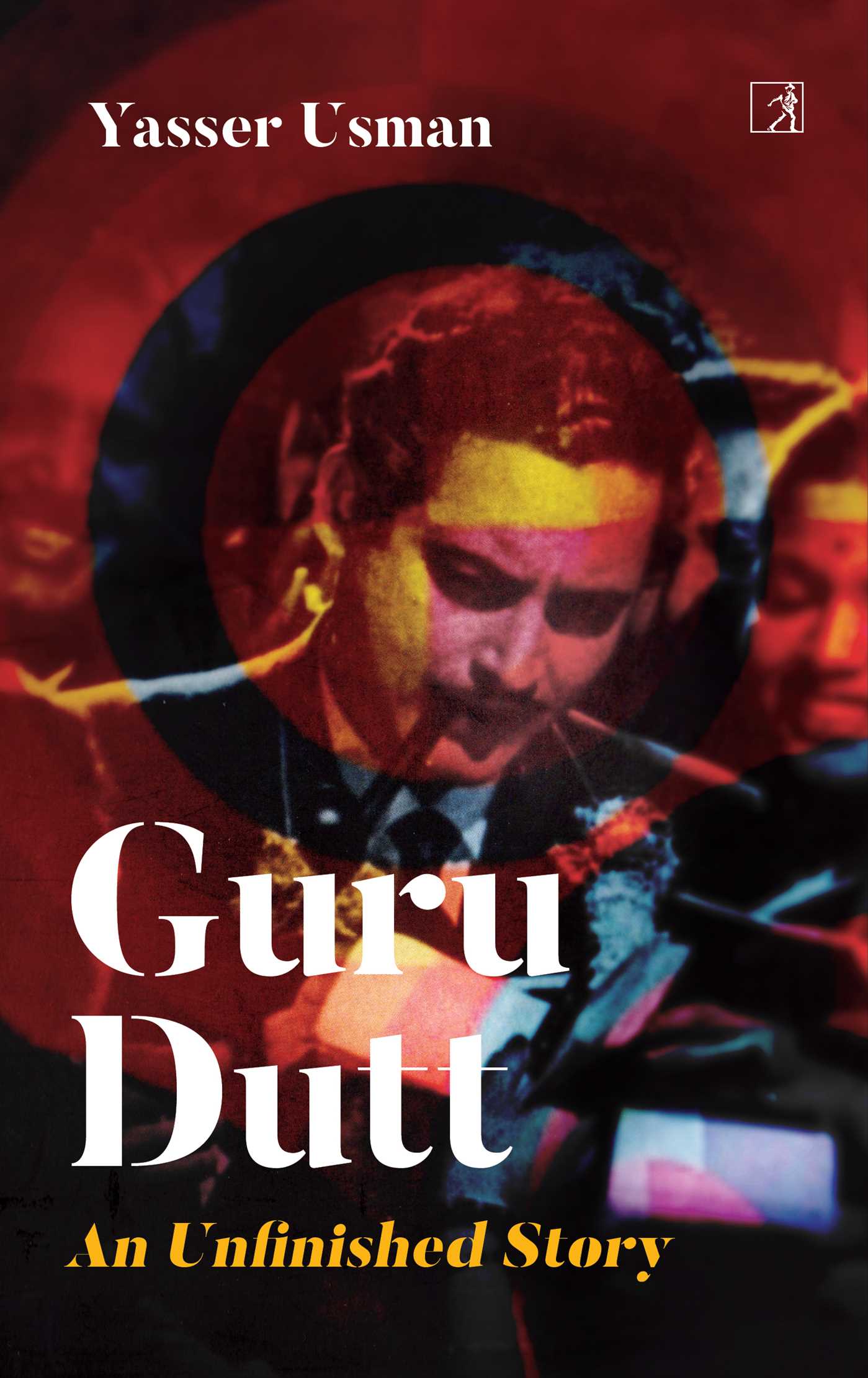
She reminisced about the widely-celebrated love story of star singer Geeta Roy and the then-struggling film-maker Guru Dutt: “They were deeply in love. But there was one major conflict in their relationship. Guru had promised that Geeta would continue singing even after their marriage. But now he wanted her to sing only in the films produced by Guru Dutt. He wanted Geeta to take care of the family, the big house they had built. With every successful film Guru achieved fame while Geeta felt that she has been denied her share of fame.”
Geeta was the lead singer for all her husband’s movies until Kaagaz ke Phool, and her immense talent was credited with being the cornerstone of Guru Dutt’s initial success. With success, the couple acquired a beautiful bungalow in posh Pali Hill in Bombay. But soon Geeta started believing that their bungalow was haunted and that they could not be happy there. “There was a particular tree in the house and she said there’s a ghost who lives in that tree, who is bringing bad omen and ruining their marriage.” The bungalow was Guru Dutt’s dream house, one he had aspired to own since his early days in the city. One morning, he called in workers and told them to demolish it. “He loved that house and he was heartbroken when it was demolished. Their lives could really never come back on track after that,” Lalithaji recalled.
Guru Dutt had twice attempted to kill himself in that house and had survived both attempts. “The second time, it was an overdose of sleeping pills. His body had gone completely cold. He was unconscious for three days. Then, on the fourth day, we heard his scream. The first person he asked for was Geeta. It was strange because their relationship was going through hell. They were thinking of separation but in those moments, he wanted Geeta to be near him. I think they deeply loved each other despite their differences,” she said. All this was so traumatic that Lalithaji herself became depressed and had to take medication for a long time. She says Guru Dutt never spoke about why he tried to end his life. “Sometimes he used to call me. I would rush to him even in the middle of the night. But he would sit quietly, not say anything. I felt he wanted to say something. But he never did. Never.”
She regrets that there wasn’t much awareness on mental issues back then. “I was much younger than him and in those days, no one really talked about such things. We also called a psychiatrist but he charged ₹500 for a visit. My brother Atma laughed that he was ‘just talking’ with Guru and he is so expensive. We never called him again,” she said regretfully. She blames herself for not doing enough for her brother who, she now believes, was silently crying for help - often reflected in the themes he chose for his films.
I am deeply aware of the privilege Lalithaji granted me by allowing me into her inner world as she reconstructed the 1950s and 1960s. I am indebted to her for what she revealed about the genius film maker; information that helps us better understand Guru Dutt and, in hindsight, his cinema. In the end, it’s the memories and films that remain alive.


