
 E-Paper



Hardit Singh Malik: “One dies only when one’s time comes”
The author of a book on Hardit Singh Malik, the only Sikh to fly with the Royal Air Force in WW1, writes of the realities of air warfare a century ago

 Prefer HTon Google


‘After about fifteen minutes, I flew into a gap in the clouds at about 4000 feet where the sky was quite clear. Some other Germans made for this clearing and soon we were surrounded by a dozen German fighters and a dogfight ensued. One dived on me and I was hit almost immediately, but only in the right leg. He was obviously as scared as I was, for instead of flying off, he continued past and below me, still diving, and I simply pulled the triggers of both my Vickers guns straight at his tail as he flew past, and had the satisfaction of seeing him burst into flames.’
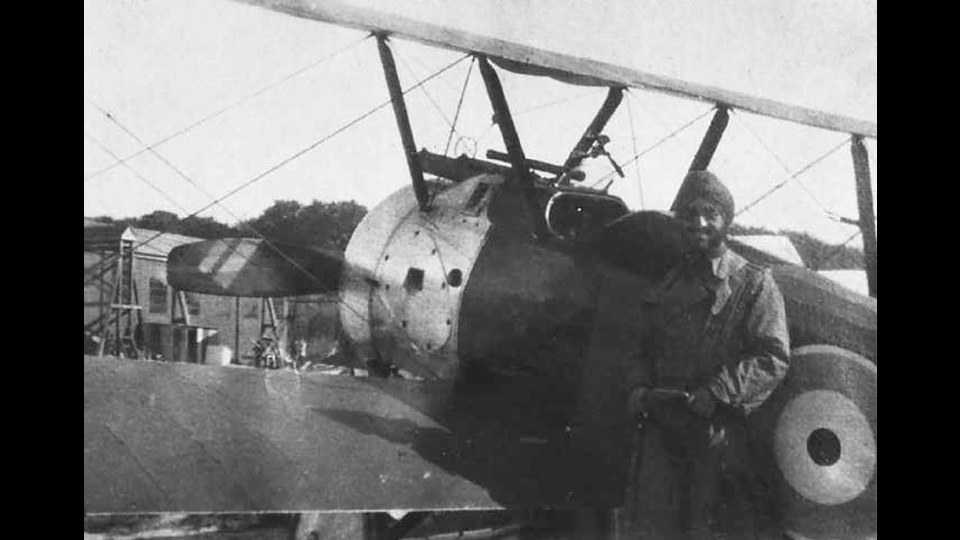
Hardit Singh Malik’s account of one of his death defying aerial combats over the Western Front in October 1917 gives us a glimmer of the realities of air warfare over a hundred years ago.
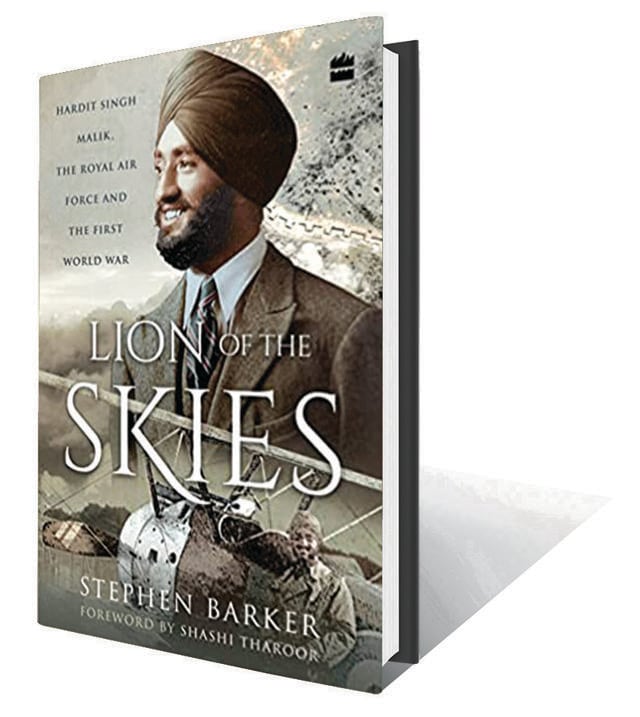
His initial interest in flying had been stimulated during the previous summer when hearing tales of derring-do by the great French air ace Georges Guynemer. The ‘aces’ of the Great War became legendary, with many becoming household names: Richthofen, Mannock, Ball, Guynemer, Fonck and Bishop amongst them. The exploits above the trenches by these men, often in their late teens or early twenties, were represented in the popular press as heroic and courageous acts, which brought a perceived touch of glamour and romance to the war, at a time when the infantry slog down below in the trenches had very little. Hardit Singh was very much caught up in the worship of these ‘airborne chevaliers’:
‘I had always been of a romantic nature, my favourite reading as a boy, apart from poetry, being tales of chivalry and romance. In France at that time, the great hero was Guynemer, the famous fighting pilot whose exploits were told and retold in households, a veritable knight in shining armour. It was he who fired my imagination and inspired my first thoughts about being a fighter pilot. This thought had never even occurred to me before.’
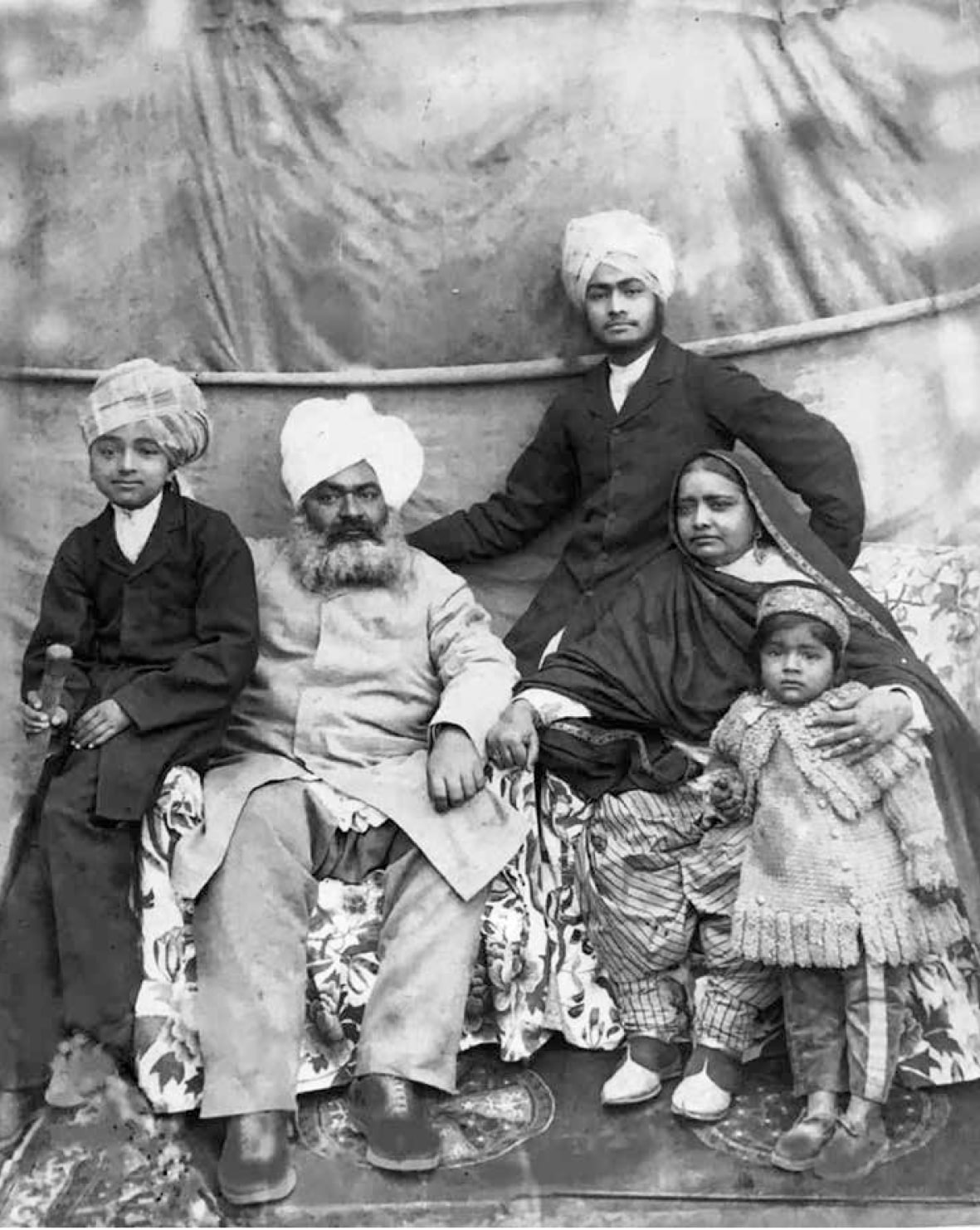
Yet the reality of air combat was often very different to the way that it was portrayed in the media at the time. Guynemer was killed in September 1917 with 54 ‘kills’ to his name at the age of just 21. Hardit himself saw pilots killed, badly burnt and maimed, yet like many young men going off to war, he managed to make light of, or erase from immediate thought, any consideration of the risks, which were many.
Almost unbelievably, from a twenty-first century perspective, pilots in those days were not issued with parachutes! Initially the design of cockpits meant there was barely room for the pilot and little space for a bulky parachute. Its extra weight was also said to have had a negative effect on the plane’s fuel efficiency and handling. Unofficially however, parachutes were seen as being an easy escape route for pilots if their plane ran into difficulty! Horrific though it may sound, there were often only two options left to a pilot whose plane was in trouble in the air - jump or burn!
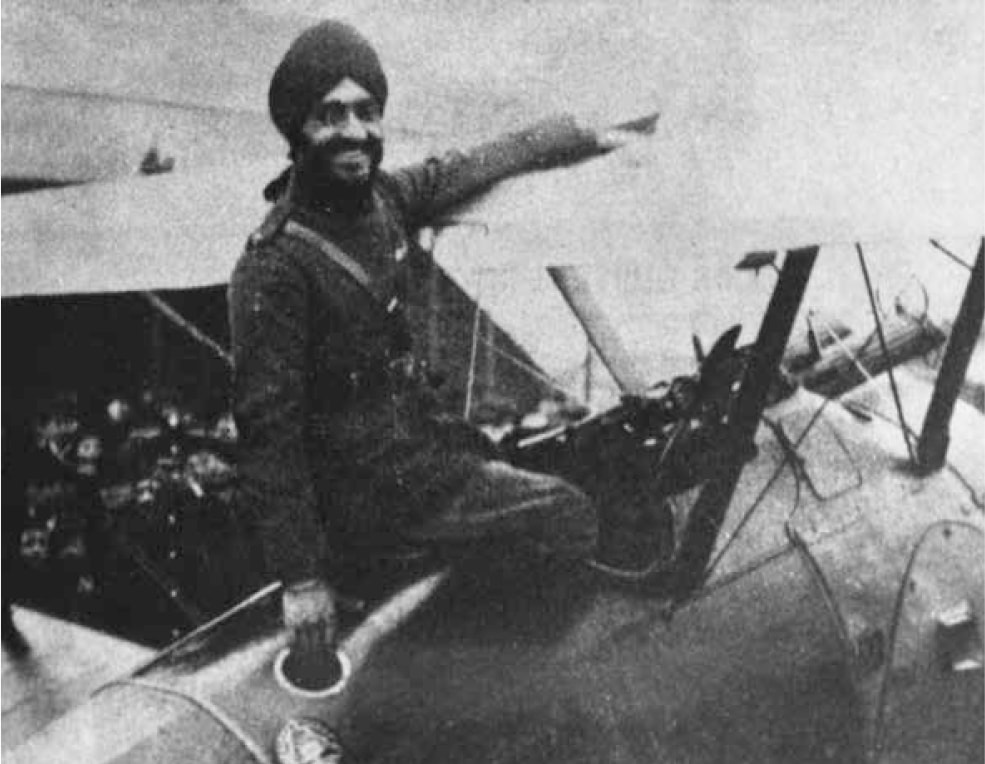
The planes of the First World War were very different to those of today. They consisted of stitched fabric stretched over a wooden frame and often propelled by underpowered engines. At the lower speeds then obtainable, streamlining was not a primary consideration, and many wires, struts, braces, and other devices were used to provide the necessary structural strength.
Hardit’s 28 Squadron was equipped with the Sopwith Camel in 1917, a machine by reputation as difficult as any to fly. Nothing else in the air prepared the pilots for the demands it would place on them. The Camel was powered by a single rotary engine and was armed with twin synchronised Vickers machine guns which could not be moved around, and the plane had literally to be pointed at the target before opening fire. Though difficult to handle, it was highly manoeuvrable in the hands of an experienced pilot, a vital attribute in the relatively low-speed, low-altitude dogfights of the era.

It was in a Camel, that Hardit took part in a life changing dogfight on 26 October 1917, whilst outnumbered by German fighter planes. To the end of his life, he carried with him the two bullets which penetrated his plane’s fuel tank and then his leg, a constant reminder of that foggy day over Passchendaele, as he later reflected:
‘My miraculous escape had a profound effect on my life. It convinced me that one dies only when one’s time comes, a conviction which led to a kind of fearlessness which has given me strength throughout my life in facing several crises in the years to come.’
Stephen Barker is a museum consultant and historian specialising in the First World War and British civil wars.


