
 E-Paper



HT Picks; New Reads
On the reading list this week is a book on how diasporic South Asians have shaped LGBTQ+ movements in Britain since the 1970s, another on untangling the connections between mathematics and musical perception, and a Korean novel about three friends who believe good fortune is just around the corner

 Prefer HTon Google


A refuge for the doubly marginalized
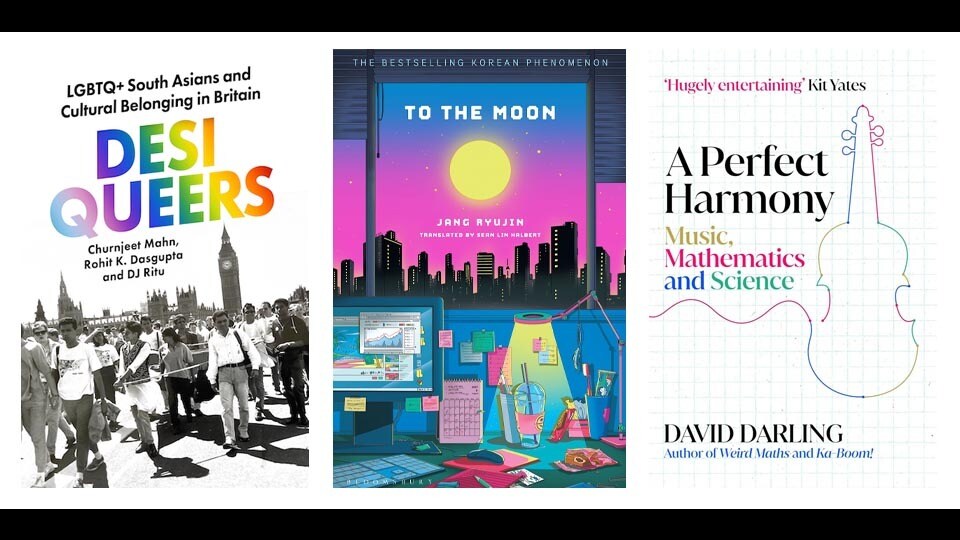
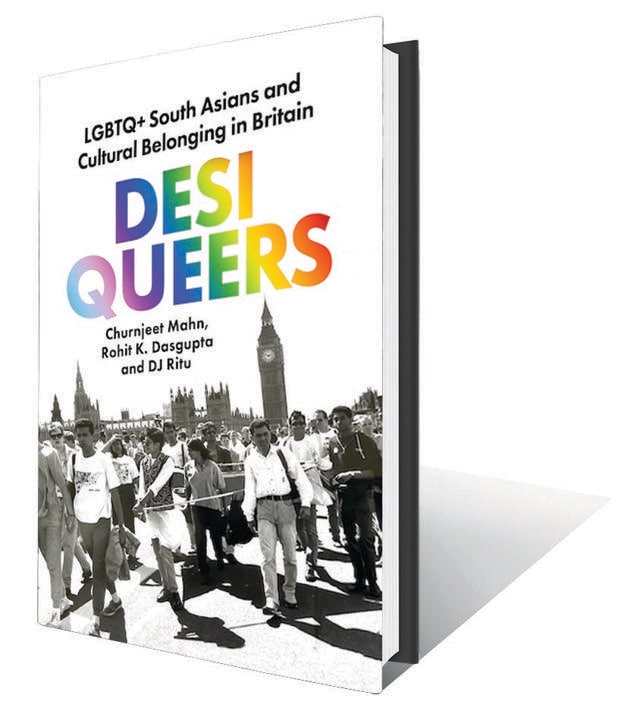
Desi Queers reveals how diasporic South Asians have shaped LGBTQ+ movements and communities in Britain, from the 1970s to the present day. Weaving the history of 1980s anti-racism with the emergence of Black LGBTQ+ and feminist coalitions, this book highlights landmark moments in British queer life and culture through South Asian lives, and illuminates British histories of colour through queer politics and creativity.
From the Gay Black Group to Haringey Council’s pioneering Lesbian and Gay Unit, desi queers were at the centre of anti-homophobic direct action in the 1980s, including the historic ‘Smash the Backlash’ demo against bigotry. This activism birthed key grassroots groups of the 1980s and 1990s, such as Shakti and Naz, whose founders and early members opened a path of creative resistance to the intersecting violence of racism and homophobia – a path of solidarity echoing through the twenty-first century.
These spaces and networks have been a refuge for people doubly marginalised in Britain – by experiences of homophobia within South Asian communities, and by the whiteness of mainstream queer scenes. Drawing on artistic creations, archives and oral history, Desi Queers celebrates rich traditions of social and cultural activism alongside stories of everyday life among Britain’s LGBTQ+ South Asians.*
A bittersweet tale of female friendship

The best selling South Korean phenomenon, To the Moon is a bittersweet tale of wealth and class, female friendship, and the promise of the future when good fortune seems to be just around the corner.
In Seoul, three young women meet while working mundane desk jobs at a confectionary manufacturer. They become fast friends, taking their conversations out of the group chat as they bond over their ‘average’ employee report cards, the incompetence of their male team leader and a mutual longing for financial freedom amid mediocre raises.
Eun-sang, the eldest of the group, is always looking for ways to earn extra money, but faces trouble at work after she opens a mini mart at her desk.
Jisong, the youngest, dreams of a perfect romance with her Taiwanese boyfriend and spends her low salary on trips to Taipei.
Meanwhile, Dahae searches endlessly for a better apartment – albeit one she can actually afford.
One day over lunch, Eun-sang announces a plan to make enough money to quit her job, by investing her life’s savings in cryptocurrency. What’s more, she thinks the others should join her. All they need to do, she says, is hold on tight and wait for the price to skyrocket . . . to the moon. But as the market begins to fluctuate and spiral out of their control, the fate of their friendships – and their futures – soon hangs in the balance.*
The curious links between notes and numbers
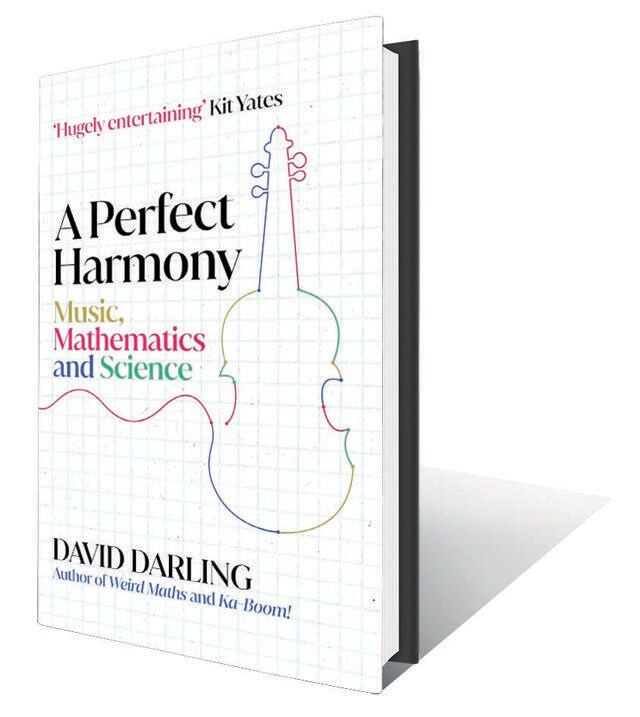
This is a melodic odyssey through the interwoven worlds of music, physics and mathematics.
From the earliest of civilisations, humans have found ways to make music, whether through makeshift drums or artfully drilled bone flutes. But how did music – effectively little more than a series of certain tones and rhythms – become so integral to the human experience?
Untangling the curious links between notes and number, musical perception, psychology and physics, David Darling examines the fascinating science behind music, from its Palaeolithic origins to the present.
Revealing surprising connections and busting pervasive myths, A Perfect Harmony asks: Why do musicians tend to be better at maths than non-musicians? Why do we find some pieces sad and others happy? Will playing Mozart to babies predispose them to genius? Could an AI write the perfect symphony?*
*All copy from book flap.


