
 E-Paper



HT reviewer Simar Bhasin picks her favourite reads of 2020
Breaking free of a shackled existence: A selection of books that articulate feminist struggles

 Prefer HTon Google


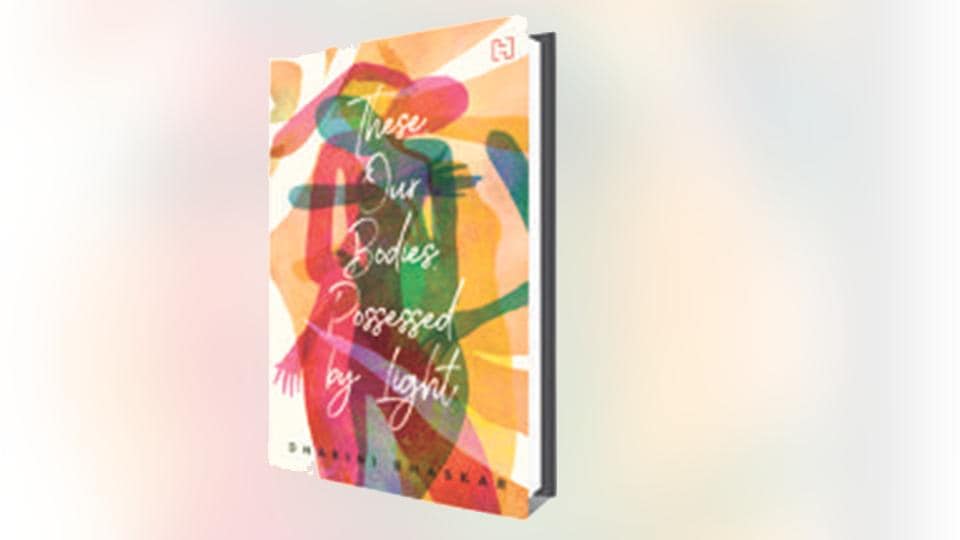
This year there were three works of fiction that stood out to me for their nuanced representations of female desires. Through lyrical prose, Dharini Bhaskar in her debut novel These, Our Bodies, Possessed by Light produces a literary experience that speaks of the conditioned nature of choices that ordain female existences across generations through a sensitive examination of mother-daughter relationships. While Deeya and her sisters carry on the baggage of inherited and lived trauma of a father who abandoned them, their lives become a sum of not only their choices but of those who came before. The articulation of this tug of war between free will and a predestined life is done beautifully through Bhaskar’s effortless use of poetic prose.
The English translation by Meena Kandasamy of Salma’s second novel, Women, Dreaming similarly presents strife-filled relationships among women across ages, all of whom are fighting their individual battles against patriarchal institutions of religion and child marriage in a small village in Tamil Nadu. Through the parallel lives of Parveen and Mehar, Salma weaves a narrative that explores the inner workings of the minds of these women as they go through life with dreams of breaking away from their shackled existences.
Jennifer Nansubuga Makumbi’s The First Woman, also set in a small village, but in Uganda, is a coming-of-age narrative set against the political backdrop of Idi Amin’s dictatorship. In her search for her absent mother, Kirabo navigates life through stories and a thirst for knowledge beyond what is prescribed or allowed for a girl. The story is radically feminist in the ways in which it describes the female body coming into its own. While the specificities of the characters are well drawn out and the cultural contexts of the novels clearly established, these fictional works collectively articulate non-white feminist struggles that aren’t exoticised for the consumption of a Western audience. All three novels uniquely experiment with language and ways of storytelling that not only pose a challenge to Western aesthetics and conventions but also present a Global South oriented female gaze that is revolutionary in its very existence.
Simar Bhasin is an independent journalist. She lives in New Delhi.


