
 E-Paper



On the emerging generation of Hindi women writers
Contemporary Hindi writing is leading on many fronts, whether it is in experimenting with form or portraying the LGBTQ community with sensitivity.

 Prefer HTon Google


In July 2024, Hindi writer Divya Vijay was awarded the inaugural Jankipul Shashi Bhushan Smriti Samman for her short story collection, Sagbag Man. She is known for introducing a fresh sensibility to Hindi writing while preserving the traditional ethos of storytelling, often referred to as kissagoi. Her ability to present the internal disquiet of the female mind and the cognitive dissonance that modern women experience as they navigate urban spaces is often appreciated. One of her stories, Prem Path, Aiso Kathin from her collection, Algoze Ki Dhun Par is about a young woman in love with four men. The female protagonist never comes across as morally ambiguous. Instead, readers are drawn into her perspective – it evokes empathy and understanding for her emotions and choices.
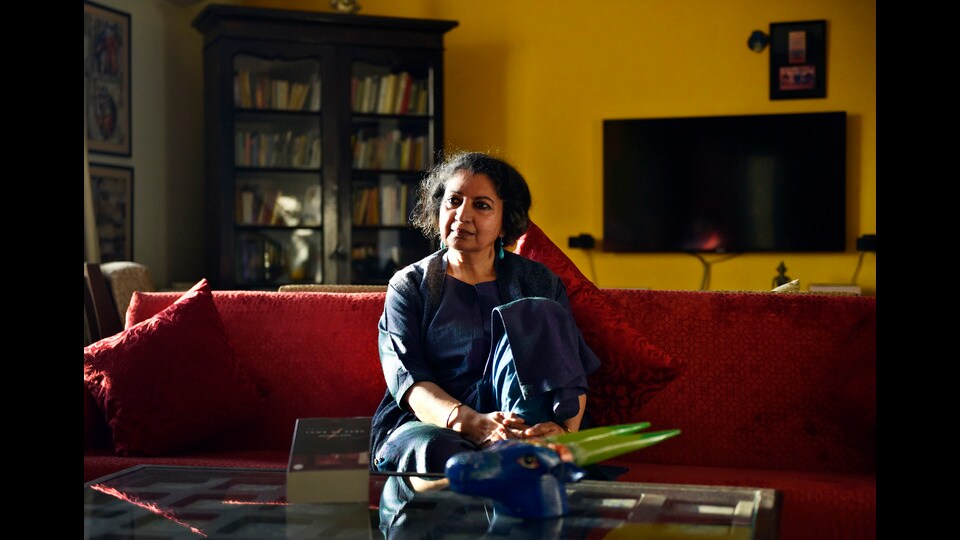
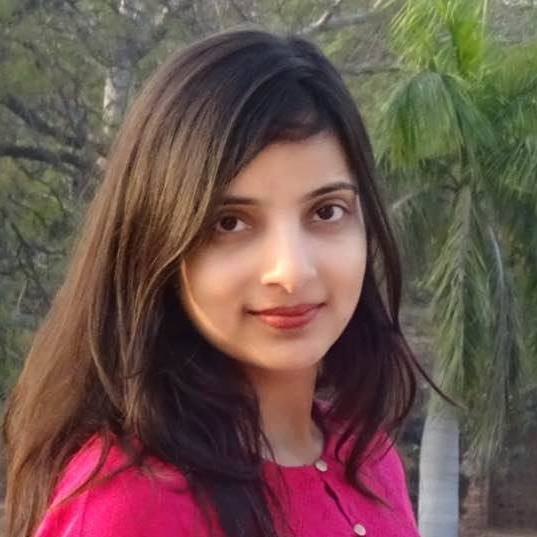
A few other young women writers are also crafting similarly intriguing works. Baabusha Kohli’s poems like Prem Gilhari, Dil Akhrot, has earned her the label of “new love-girl” of Hindi literature. Published in 2024, her first novel, Loo, significant portions of which are written in the epistolary format, provides direct access to characters’ thoughts and emotions. This makes the novel’s poetic prose more intimate.
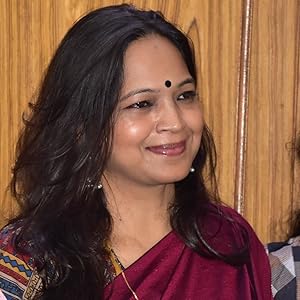
Then there is academic and writer Vineeta Asthana whose Behaya, published in January 2021, tells the story of Siya, a successful woman leading an organisation’s South Asian operations. She is married to Yash, who pretends to be liberal but is actually deeply judgmental and patriarchal. Despite her professional success, Siya faces questions about her character and is forced to curtail her personal freedom. Written in Nai Hindi (common conversational Hindi), the novel doesn’t have a great plot or character graph but has won much appreciation as it exposes entrenched patriarchal hypocrisy.
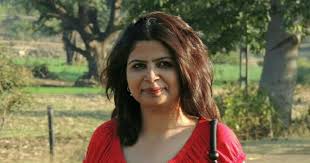
The travelogue has emerged as an important genre of Hindi literature and Anuradha Beniwal has become a recognized name within it. She is now considered one of the most important travel writers alongside Ashok Pande and Anil Yadav. About Azadi Mera Brand, her 2016 travelogue, critic Namvar Singh remarked, “So far, the travelogues of three people have proved to be milestones in Hindi literature - Rahul Sanskritayan who wrote a book named Ghumakkadshastra, Agyeya, then Nirmal Verma. The fourth name in this series is Anuradha.” High praise indeed. In poetry too, poets like Baabusha Kohli, Jacinta Kerketta and Shubham Shree are creating a new revolutionary space for themselves.
Hindi literature has received a shot in the arm with the rise of popular writing and also because of Geetanjali Shree’s international Booker win. Earlier, it was often portrayed as forever struggling though a lot of great writing was being published by different independent publishers. However, it is true that many writers, especially women, remained at the margins, away from the clamour of Delhi and Allahabad. Writers like Usha Kiran Khan, Shivani, and Padma Sachdev (who writes in Hindi and Dogri) presented groundbreaking works and won awards too but were still underrated. But perhaps this can be said of male authors too.
Post the Premchand era, Agyeya was one of the major influences on Hindi writers offering psychological narratives, while Bhisham Sahni and Dharamvir Bharati influenced those writing socio-political stories, and Phanishwar Nath Renu influenced writers of anchlik (regional) literature. Later, with the Nai Kahani movement, Nirmal Verma, Rajendra Yadav and Kamleshwar became the major influences of those working on stories about the complexities of personal and social relationships. Except for personalities like Manu Bhandari and Chitra Mudgal, very few women were recognized within the Hindi literary sphere.
Unsurprisingly, poetry is the most unfortunate genre. Sahitya Akademi winning poet Anamika whose work criticizes patriarchy and addresses social issues stands tall among the likes of Kedarnath Singh, Kunwar Narayan and Manglesh Dabral but younger readers have hardly heard of her. Not just that, writer and translator Teji Grover’s contributions to Hindi literature are not as lauded as they should be. She has introduced Hindi readers to many modern Scandinavian writers and poets like Jon Fosse, Kjell Askildsen, Gunnar Björling, Hans Herbjørnsrud, Knut Hamsun, Tarjei Vesaas, Lars Amund Vaage and Edith Södergran, among others.
While many women writers have broken the mould, Hindi literature as a whole has faced several criticisms. Foremost among these is the moralising effect of the Hindi public sphere on writers. It is generally believed that Hindi writers sanitise their work and this has kept readers from other language milieux from exploring Hindi writing.
Though this particular stereotype has started to change, it cannot be denied that diversity and intersectionality is lacking. While Marathi writing has names like Urmila Pawar and Babytai Kamble, Tamil has Bama, and Telugu and Malayalam too have famous Dalit women writers, Hindi does not have many well-known ones. Thankfully, this has started to change with young authors like Anita Bharati. Among tribal women writers, Jacinta Kerketta whose poetry deals with feminism and tribal rights, stands out. But then tribal women writers have a history of impactful writing. Alice Ekkā, the Adivasi writer whose Durgi ke bacche aur Elma ki kalpanayen was published in 1962, is the story of two friends, a Dalit and an Adivasi, who support each other and reflect on casteism in society.
Still, though Hindi literature is going through a churn, writing in the language has been leading on many fronts, whether it is winning an International Booker prize, portraying the LGBTQ community sensitively or experimenting with form. And finally, women writers are at the forefront.
Mayank Jain Parichha is an independent bilingual journalist. He writes about the environment, wildlife, culture, literature, and politics.


