
 E-Paper



Remembering Philip Roth, the Pulitzer Prize winner who blurred the distinction between reality and fiction
Born on March 19, 1933, Philip Roth won the Pulitzer Prize for his 1997 novel American Pastoral.


Born on March 19, 1933, Philip Roth won the Pulitzer Prize for his 1997 novel American Pastoral. The author, well-known for his explorations of American identity, first came into the limelight through his 1959 novella Goodbye, Columbus and soon became one of the most well-received authors of his generation.
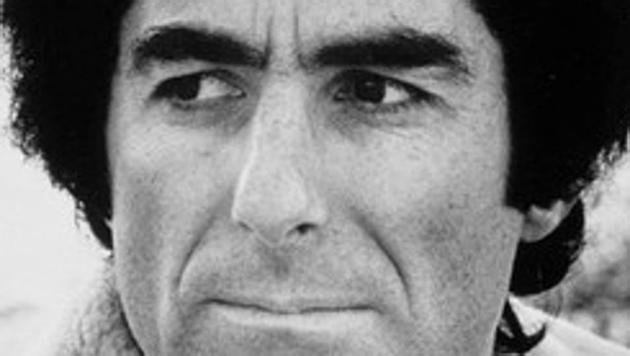
The man behind works like Letting Go, When She Was Good and Sabbath’s Theater, most of his novels are semi-autobiographical with themes that draw allusions between his real life and his fictive world. This is perhaps best exemplified by the character Philip Roth who appears in The Plot Against America and Operation Shylock.
“He had learned the worst lesson that life can teach - that it makes no sense,” Philip Roth had written in the book American Pastoral. And much like his views on life, the author spoke on human nature, pleasure and a host of other topics. Here’s listing a few of his thoughts on various subjects:
You put too much stock in human intelligence, it doesn’t annihilate human nature.
The pleasure isn’t in owning the person. The pleasure is this. Having another contender in the room with you.
Stop worrying about growing old. And think about growing up.
Literature takes a habit of mind that has disappeared. It requires silence, some form of isolation, and sustained concentration in the presence of an enigmatic thing.
How easy life is when it’s easy, and how hard when it’s hard.
Roth’s works, which are replete with autobiographical influences, also incorporate social commentary and political satire in a postwar American setting.
His novels can be best categorised into five groups, based on the protagonists they portrayed or the situation or genre they were written in. They are the Zuckerman novels, the Roth novels and memoirs, a short series of Kepesh novels, the Nemeses novels and a group of other works with separate protagonists.
American Pastoral: Published in 1997, the book starts in media res, with Roth’s most famed alter ego Nathan Zuckerman attending a high school reunion where a former classmate describes to him the tragic life of his older brother Seymour Levov.
Levov was an upper middle class successful Jewish American businessman from New Jersey whose life is turned topsy turvy during the social and political turmoil of the 1960s.
The novel goes on to see Zuckerman trace together the life of Levov through Jerry’s revelation, newspaper clippings and his own impressions. The novel won Roth the Pulitzer Prize.
Operation Shylock: The 1993 novel follows narrator Philip Roth on a journey to Israel to attend the trials of war criminal John Demjanjuk. However, the narrator himself becomes involved in an intelligence mission named Operation Shylock.
Operation Shylock is best known for the stark blurring of lines between art and life through an almost similar version of the author as a protagonist who is part of an almost plausible story.
The Dying Animal: The short work of fiction by the author speaks about a senior literature professor David Kepesh who is ruined due to his inability towards emotional commitment. The book is actually the third and final in the Kepesh series and is preceded by the 1972 title The Breast and the 1977 book The Professor of Desire. The Dying Animal itself was published in 2001.
Everyman: The first in the Nemeses series, and the third of Roth’s works to win the PEN/Faulkner Award for Fiction, the book begins with the funeral of the unnamed protagonist and then goes on to take a melancholy look back at the various episodes from his life till his death.
Interestingly, the unnamed protagonist has a lot in common with the author, with both being born in 1933, growing up in Elizabeth, which was near Roth’s birthplace.
Letting Go: The first full-fledged novel by Roth, Letting Go is divided into seven sections. One of the basic themes of the novel is the conflict between the protagonists and the societal constraints of the 1950s. Apart from that, social class and sexual promiscuity also are prominent themes.


