
 E-Paper



Wilfred Owen Birth Anniversary: Remembering the English poet and soldier through his quotes and works
One of the leading English poets of the World War I whose life was tragically cut short, Wilfred Owen was born on March 18, 1893.


One of the leading English poets of World War I whose life was tragically cut short, Wilfred Owen was born on March 18, 1893. Vividly recounting the horrors of the trenches and the psychological effects of war on young soldiers through verses, his poetry was in sharp contrast to popular perception of war at that time.
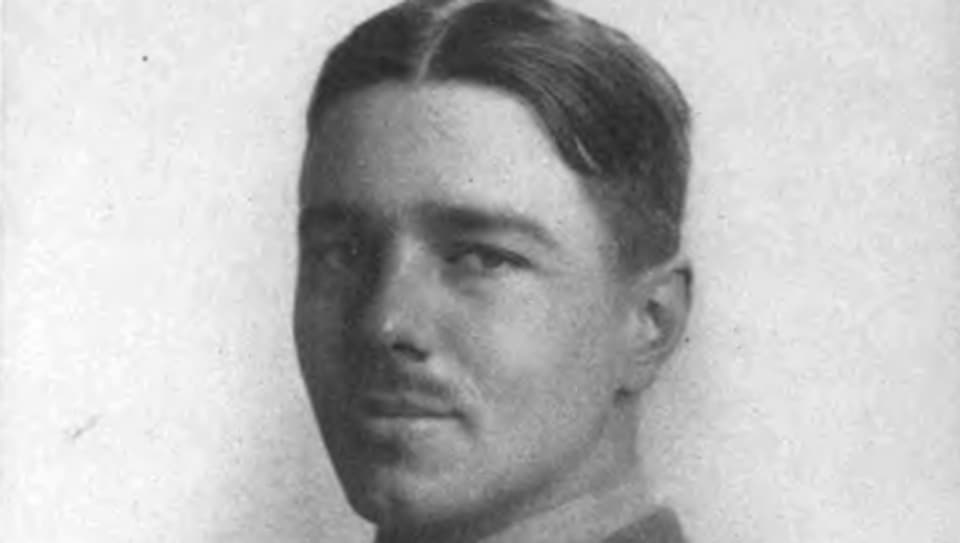
Often considered by many to be perhaps one of the greatest war poets from his time, he was influenced by the works of Keats and Shelly and later Siegfried Sassoon.
In 1916 he was made a second lieutenant. But his time at war saw him face a number of traumatic experiences, including being caught in the blast of a trench mortar shell. Diagnosed with shell shock, he was sent for recuperation at the Craiglockhart War Hospital.
It was here that he met fellow poet Siegried Sassoon, an encounter that went on to change Owen’s life.
In 1918, he once again returned to active service and on October 1 led units of the Second Manchesters to storm a number of enemy points, an act of courage that earned him the Military Cross.
However, the young poet was killed in action on November 4, 1918 during the crossing of the Sambre–Oise Canal, exactly one week before the signing of the Armistice, and an end to the war.
Owen who eternalised the young soldiers of war and their life and experiences had most of his poems published posthumously. Here are some of his verses and the poems he wrote:
“I am the enemy you killed, my friend.
I knew you in this dark: for so you frowned
Yesterday through me as you jabbed and killed.”
Strange Meeting: Dealing with the atrocities of World War I, it was written in 1918, and was published posthumously in 1919. The poem sees a soldier meet the enemy he killed the day before. One of the most complex war poems in the way a dialogue plays out between a soldier and the man he killed, and is the final piece in Benjamin Britten’s composition War Requiem.
“So, soon they topped the hill, and raced together
Over an open stretch of herb and heather
Exposed. And instantly the whole sky burned
With fury against them...”
Spring Offensive: Written in April 1917, the poem opens with an idyllic scene, but has an undertone of impending doom playing throughout. Owen makes use of vivid imagery in describing the brutality and chaos of war.
“In all my dreams before my helpless sight,
He plunges at me, guttering, choking, drowning.”
Dulce et Decorum est: One of the most popular works by Owen, it is known for its strong condemnation of war. The title of the is taken from Roman poet Horace’s Ode 3.2 meaning “it is sweet and fitting.”
“Happy are these who lose imagination:
They have enough to carry with ammunition.”
Insensibility: Exploring the effect of warfare on soldiers and the psychological toll on them, the poem makes reference to the many combatants and former soldiers, including the poet, who found their lives altered by the traumatic life of the trench -- a disorder which was called shell shock.
What passing-bells for these who die as cattle?
— Only the monstrous anger of the guns.
Anthem for Doomed Youth: Written while Owen was in the hospital recovering from injuries and trauma during his service in World War I, the verse laments the loss of young life in war.
(This story has been published from a wire agency feed without modifications to the text.)


