
 E-Paper



Report: Sacred Spirit Festival 2024
The festival, which featured some outstanding Indian and international performers, reaffirmed the idea that the sacred is not the monopoly of any one religion, ideology or tradition

 Prefer HTon Google


The Sacred Spirit Festival held at the spectacular Mehrangarh Fort in Jodhpur from February 23 to 25 was a soothing weekend getaway for the soul and the senses, thanks to the excellent curation by the artistic director Alain Weber, a Frenchman who seems completely at home in Rajasthan.
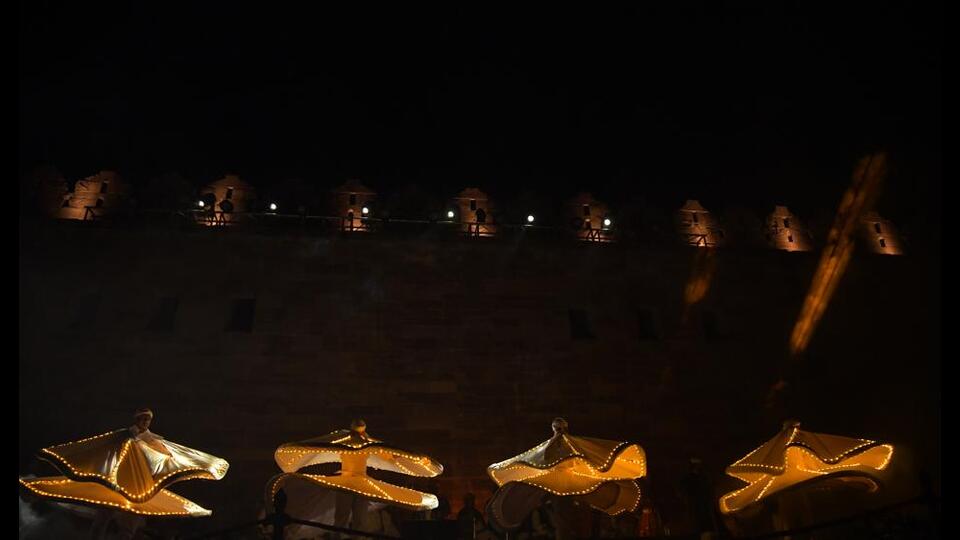
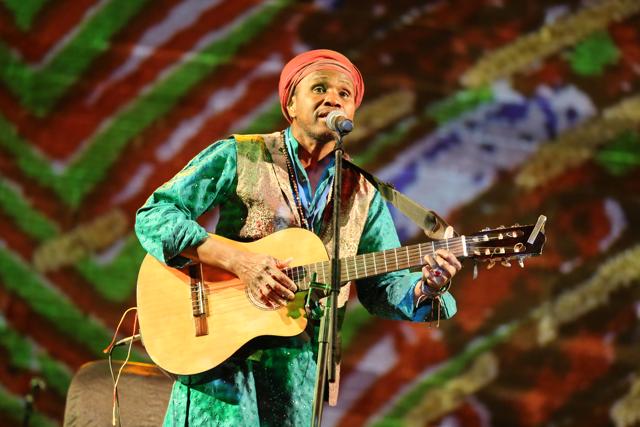
Presented by the Mehrangarh Museum Trust, the festival featured some outstanding Indian and international performers including Vishwa Mohan Bhatt, Anwar Khan Manganiyar, Parvathy Baul, Madan Gopal Singh, Lobsang Chonzor, Amaan Ali Bangash, Ayaan Ali Bangash, Chérif M’Baw, Pape Khan, Pedro Javier González, Eleman Kanybekov and Kamuz Aibek Kanybekov, among others.
The diverse line-up seemed to reaffirm the idea that the sacred is not the monopoly of any one religion, ideology or tradition. Humans place their faith in something larger than themselves to seek protection, forage for hope, and renew their strength to live another day. Music often becomes a conduit and a container for this profoundly inward experience, which becomes all the more poignant in the company of others who also appreciate it.
“We live in perpetual loss, so we have to create islands of happiness,” said Madan Gopal Singh, who is part of the Chaar Yaar ensemble that also includes Deepak Castellino, Pritam Ghoshal and Amjad Khan. They presented songs of Kabir, Shah Hussain, Bob Dylan, John Lennon and Jalaluddin Balkhi Rumi at the picturesque Chokhelao Garden. While the members did not set out to create a band with a Christian, a Hindu, a Muslim and a Sikh in it, they take great pride in the symbolic power of their coming together.
Their performance of Lennon’s Imagine left this reporter teary eyed. His lines “Imagine there’s no countries/ It isn’t hard to/ Nothing to kill or die for/ No religion too/ Imagine all the people/ Living life in peace” recalled the war in Gaza, and how violence over religious identity continues to be the cause of much suffering.
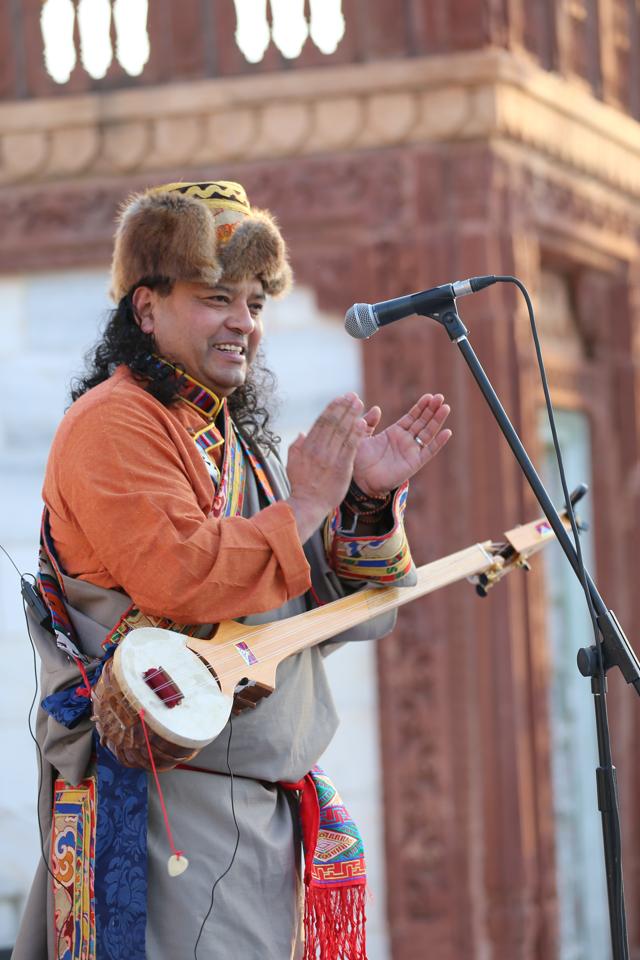
But faith can also be a source of sanity. Lobsang Chonzor, who was born to Tibetan parents in India and now lives in France, sang songs that invoked blessings for the audience, prayed for the long life of the Dalai Lama, drove away malicious spirits, and articulated his long-standing desire to visit the Potala Palace in Tibet. “I wish to see all of you one day in Tibet,” he said, while concluding his performance at Jaswant Thada, a marble cenotaph illuminated by the winter sun.
Rajasthani singer Mukhtiyar Ali, whose marvellous Sufi repertoire and uninhibited commentary on religious extremism in Shabnam Virmani’s documentary film Had Anhad: Journeys with Ram and Kabir, have earned him a large fan following, belted out one popular number after another – Bhala Hua Mori Gagri Phooti, Aaj Rang Hai, Aafreen Aafreen, Damadam Mast Qalandar, and Chhap Tilak. Adding another layer to this wondrous presentation was his playful collaboration with singer, composer and guitarist Chérif M’Baw from Senegal. The energy in the Zenana Deodi courtyard was too electric for the audience to sit politely and tap their feet. Many got up to dance, and did not stop till Ali’s last note. They kept asking for more, so he promised to return next year.
In contrast, Shubha Mudgal created a solemn, prayerful atmosphere with her music. Accompanied by Aneesh Pradhan on the tabla and Sudhir Nayak on the harmonium, she presented songs by Mirabai, Rehdas, Kabir and Shah Turab Ali Qalandar. Her joyful renditions of Sahib Hai Rangrez Chunariya Mori Rang Daari and Ab Kaise Chhoote Naam Rat Laagi captured the ecstasy of the seeker who yearns to be one with the beloved.
Parvathy Baul, who sang, danced, and played the ektara and duggi, had the audience spellbound with compositions in praise of Krishna, Shiva and Kali even as she apologized repeatedly for her sore throat, which did not allow her to exhibit the full range of her vocal abilities. It was amply evident, though, that it is the heart that is most important, and the audience was definitely impressed by her ability to move them.
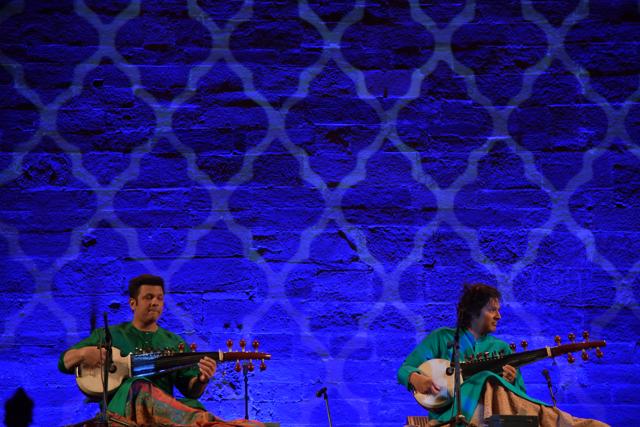
The Bangash brothers were magnificent too with their renditions of tunes from Bengal and Rajasthan on the sarod, accompanied by Anubrata Chatterjee on the tabla. Padhaaro Mhaare Des and Ekla Chalo have been sung to death; so, it was magical to hear these musicians breathe new life into them. The moonlight heightened the impact of their wizardry on the listeners, especially when Pedro Javier González joined them on the guitar and brought in the flavour of Spanish flamenco. Acquiescing to fervent pleas for an encore, they indulged the audience with a vision of how the sacred transcends cultures and musical forms.
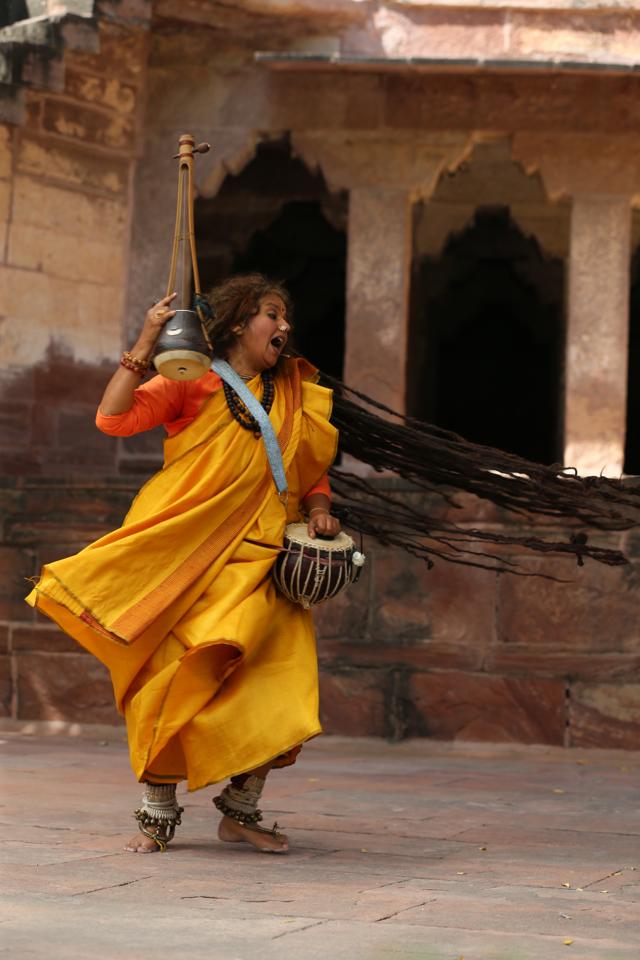
Vishwa Mohan Bhatt’s brilliance was on display with the mohan veena but seemed pale in comparison to the magic he created in a jugalbandi with Anwar Khan Manganiyar last year. These men, who are veterans in their own right, shine even better when they perform together because of their respect for each other’s music and their warm personal bond.
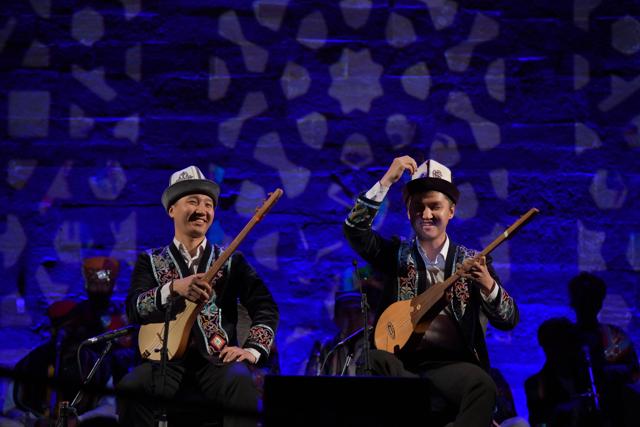
Then there were the talented shehnai-playing Shankar Brothers, Ilyas Raphael Khan with an awe inspiring beatboxing performance, sisters Kelam and Dariya who sang Mann Laago Mero Yaar Faqiri Mein that’s usually reserved for male singers and the luminous Sufi whirling dance of the Nile presented by a graceful troupe from Egypt. Also noteable were the melodies created on stage by dutar player Ilyas Arabov from Uzbekistan along with Eleman Kanybekov and Kamuz Aibek Kanybekov from Kyrgzstan on the nomadic lute.
The festival would have been even more enriching if the performers had been given an opportunity to talk about their music and dance forms, their instruments and their cultural context. It would have helped those listeners who get impatient when they encounter art that is far removed from what they have experienced before. With such scaffolding, their flagging interest and attention spans can be channelized so that they do not become a nuisance for other audience members.
Of course, building a culture of listening takes tremendous effort because the realm of the sacred is not instantly consumable or explicable. While there are multiple efforts to package it, there is something about it that refuses to succumb. Clichéd as it may sound, perhaps the only way out is the one that goes within.
Chintan Girish Modi is a freelance writer, journalist and book reviewer.


