
 E-Paper



Review: Happiness Happens by Robin Singh
The founder of Peepal Farm, an animal rescue centre in Himachal Pradesh, writes about his turbulent childhood and how he finally found his true calling

 Prefer HTon Google


In this unconventional memoir cum self-help book, ex-hacker and techie Robin Singh encapsulates his life’s journey from the US to a small village in Himachal Pradesh, where he now runs a welfare facility for homeless animals.
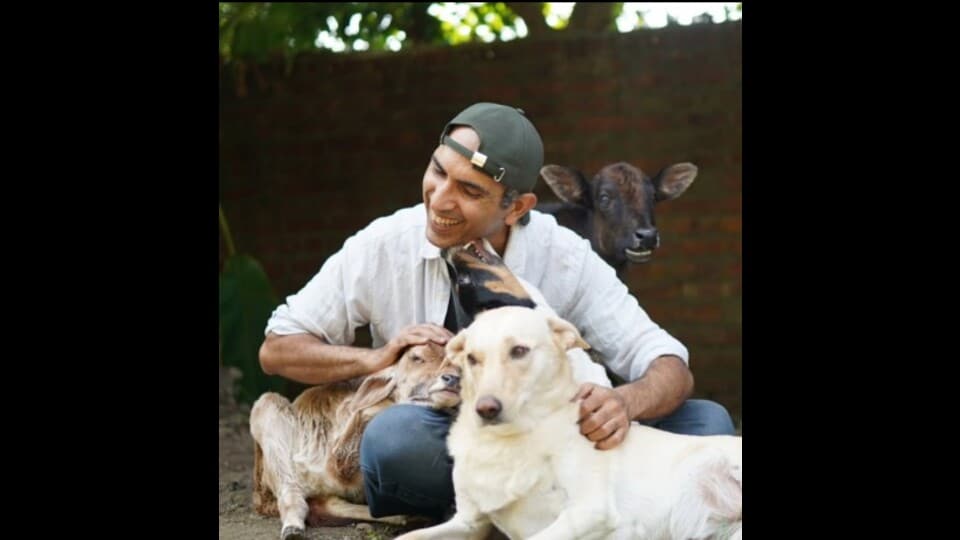
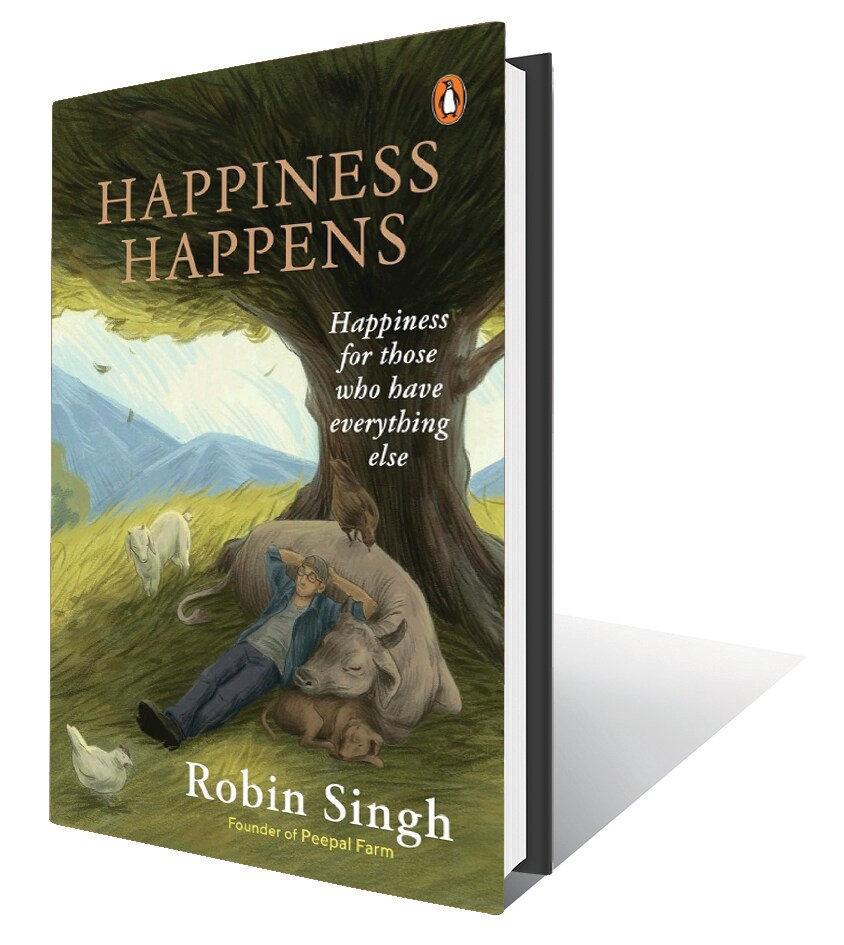
Singh became a hacker in 1997 while he was in his teens. The internet was still new to India and could only be accessed via a dial-up connection; internet accounts were expensive and the speed was unbelievably slow. Singh began breaking into other people’s cyber accounts for free access and this continued until he was cornered by someone more experienced. This senior hacker introduced Singh to the concept of “outsourcing” and soon the dollars started pouring into his bank account.
By 21, he had landed a job in the US because of a “misspelled email”, and this led to his eventual move there two years later.
Singh’s childhood in Delhi had been turbulent and his relationship with his depressed and controlling mother was uneasy. “I was tired of upsetting her. I was tired of trying to please her. I was tired of being her emotional punching bag. Most of all, I was just tired of walking on eggshells,” he writes. It got so bad at one time, that Singh decided to take his life at the age of 17. After all that, leaving was a relief.
He spent a decade in the US with the love of his life. Though he had every reason to be happy, he was anything but that. Existential angst set in – “What am I living for?” - and he decided to take a short break in India in pursuit of happiness.
He toured some parts of India, consciously and subconsciously examining what happy people do, and at one of his stopovers, he decoded the “happiness formula”. He realised that to be happy he needed to be at peace with himself for which he needed a higher purpose in life.
Singh writes that once the pursuit of happiness was off the table, he clearly knew “what not to do”. However, he had no idea what his future course of action should be. A chance visit to the Integrated Animal Care Centre (IACC) in Auroville in 2012 and his meeting with a “bitter, frustrated and impatient” American volunteer, Lorraine, helped carve this path.
He had expected Lorraine to be a warm person, but she was curt. Singh immediately understood that anybody who had to feed scores of dogs “by collecting leftovers from restaurants all over Auroville and then sifting the food by hand to ensure there’s no glass or plastic in it”, would react like she did.
Within six months of his meeting with Lorraine, he chucked his plush lifestyle in the US and returned to Auroville to help her take care of the dogs. When he knocked at the metal gate of IACC, shouting out to Lorraine that he had returned to help her, she barely remembered him. “Robin, who?” she asked.
The next logical step was to buy land with his savings and set up an animal welfare facility of his own. Zeroing in on land was not easy, but Singh eventually set his eyes on a small village in the Kangra district of Himachal Pradesh. His animal rescue, Peepal Farm, was ready by August 2015. Dogs, mules, cows became permanent residents of the mud structure built using sustainable alternatives such as local soil and natural materials, the landscape offering earthy vibes, natural light and surrounded by plenty of greens.
The facility has grown over a period of 10 years, and now has a staff of 60 and a battery of volunteers. Singh’s “existential void” that he was trying to “fill with consumerism” is gone, and he is truly happy. “…Happiness can be a by-product of a purposeful life. So, picking a purpose, any purpose, is vital to our happiness,” he asserts.
Singh is a known voice in the animal welfare world; few would have had the guts to kick their cushy lives to pursue their calling, as he has done. The honesty with which he bares his heart at every stage of his journey is praiseworthy.
However, readers, especially animal lovers, would have benefitted from Singh’s detailed insights on the challenges of setting up and running such a rescue facility. He did not face monetary challenges as he had enough savings to buy land of his own, but what would he advise others struggling to raise money to set up a rescue facility? Does he ever experience a sense of remorse or guilt for refusing veterinary care or admission to a new dog, a mule or a cow that has been brought to his facility? There have been plenty of documented cases of veterinarians calling it quits or taking their lives in the West as they cannot see the continued suffering of these creatures. Has Singh or his staff ever experienced compassion fatigue, which most carers – of humans or animals - find it difficult to overcome?
It would also have been good to know his take on the hate directed at animal lovers and rescuers. This would have proved beneficial for many, especially dog-feeders, who deal with a daily dose of unpleasantness. I would have personally enjoyed reading portraits of his rescues and learning the backstories of these dogs, cats, cows, mules or monkeys, and what their long socialisation process looked like, which helped these formerly abused or abandoned animals ease into their new abode and form a bond with humans.
Perhaps Singh will fill in these gaps in Part II of his memoir. This book is definitely recommended for those experiencing existential angst and are attempting to decipher the purpose of their lives.
Lamat R Hasan is an independent journalist. She lives in New Delhi.


