
 E-Paper



Review: Juvenile Not Delinquent by Enakshi Ganguly et al
Focussed on children adjudicated for an offence, ‘Juvenile, Not Delinquent’ intertwines personal accounts with case studies to show how far away the country is from executing its policies towards children

 Prefer HTon Google


Children need a nurturing environment and society endeavours to provide them with the best facilities. We protect them from bad influences; they are forgiven for their mistakes and allowed second chances; they are not burdened with responsibilities and are supervised in their decision making. In fact, Indian parenting is slighted for going over board with these values. This protective approach, however, tends to exclude all “other” children – specially those who grow up in deprived socio-economic circumstances.
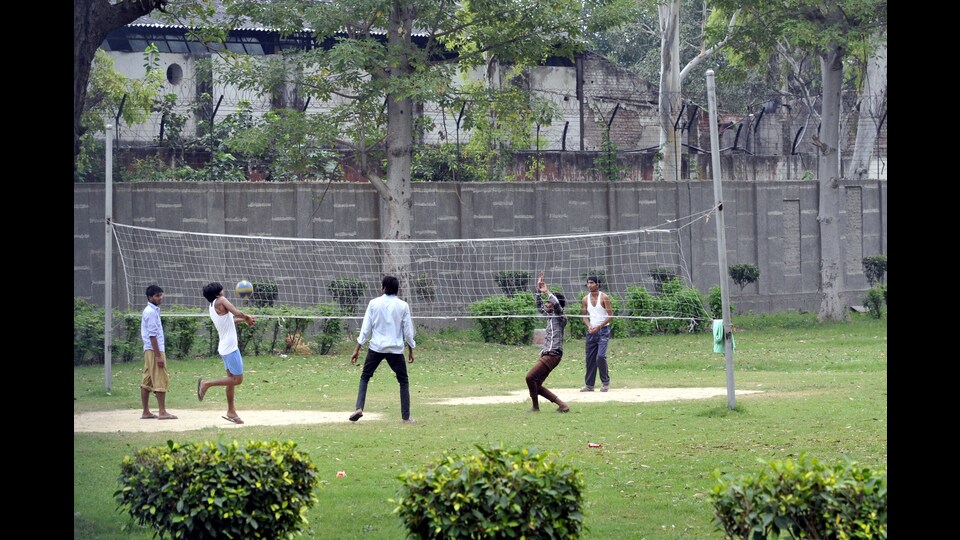
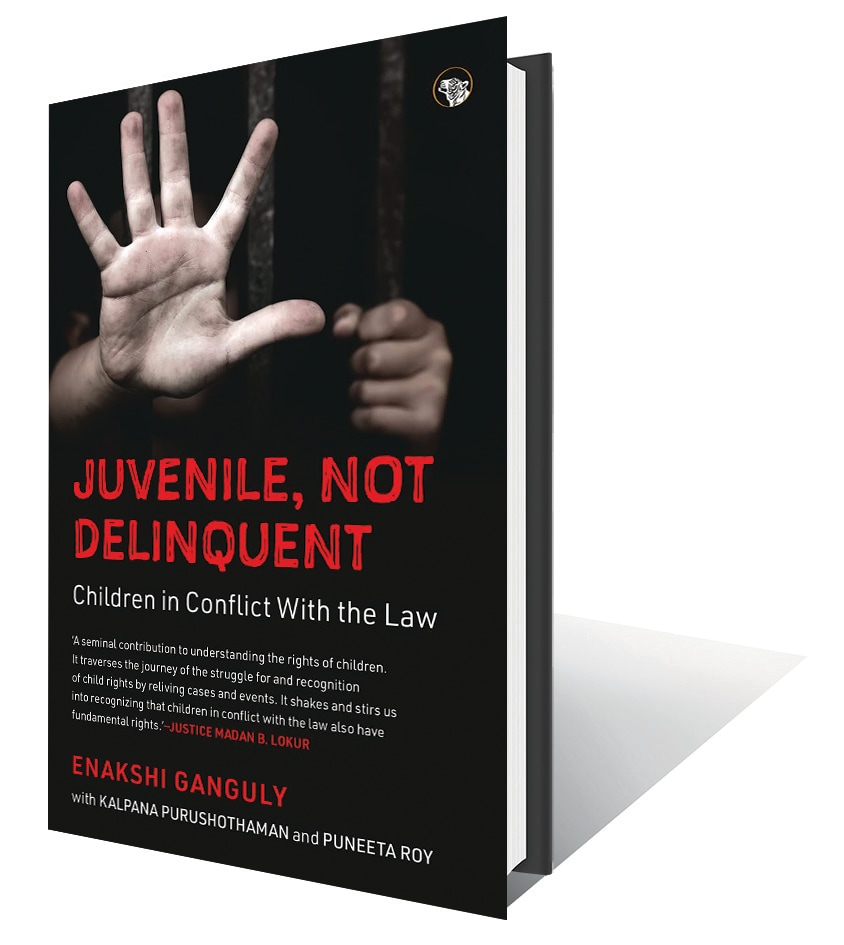
Orphaned and homeless children, officially designated as being in need of care and protection, are confined in institutes with shabby facilities supervised by unmotivated and unskilled personnel. Those found guilty of an offence are also being condemned with increasingly punitive measures. After the 2015 amendment to the Juvenile Justice Act, we now have provisions where children, between the ages of 16 and 18, accused of committing heinous crimes, may be treated as adults. This undermines all principles at the core of juvenile justice. This conflicting attitude towards two different sets of children is the sad reality of India today. Juvenile, Not Delinquent, which intertwines personal accounts with numerous case studies, forces the reader to tussle with their conflicting perspectives on children.
Focussed on children adjudicated for an offence, this 256-page book has been written by practitioners with years of experience. Lead author Enakshi Ganguly, co-founder of HAQ: Center for Child Rights, has written five easy-to-read chapters that peek into the legal mechanisms, systemic functioning and public attitude surrounding juvenile justice in India.

Juvenile Justice refers to the system of law and procedures specifically devised to adjudge cases involving allegations against a child. The central legislation – the Juvenile Justice Act – has been in existence only for the past four decades and its current form, updated to include the principles of care and protection of all children, in alignment with UN regulations, has been the law of the land only since 2000. The key principles of the legislation include prioritising care and rehabilitation over penal confinement, separate and confidential adjudication to prevent stigma and trauma to the child, and decision making keeping the best interest of the child in mind at all stages. The law has provisions to engage social workers, counsellors and trainers to work with children and their guardians. Placing children in government institutions is the last resort.
A child, yet to learn and experience the ways of society, even biologically, does not have a fully developed brain. This is a well-documented scientific fact. Hence, children cannot be held fully responsible for criminal acts and the system needs to assume their reduced culpability. They are also much more vulnerable to the maladies of society and familial life. Ganguly dedicates an entire chapter to discussing how deprived and abusive environments affect children, thereby highlighting the responsibility of society and the state in triggering crime. She also shows that, if given a safe and nurturing environment, young minds are much more receptive to reform.
Though the book’s central focus is on the 2015 amendment, Ganguly also presents how the police, Juvenile Justice officials and staff, social workers and mental health professionals engage with children at various stages and in different circumstances. This, very crucially, draws attention to the specificities of the system and highlights how very far behind India is in executing its policies towards children.

Kalpana Purushothaman, a trained counsellor, shares an intimate and courageous account of her experiences of working with children. Without being academic, the text reveals layers of tragedy and complexity and discusses the challenges and dilemmas faced by practitioners. Media professional Puneeta Roy writes of her team’s engagement with institutionalised children through the medium of theatre and expressive art workshops. This chapter discloses the thought process steering each stage of these workshops, making it a valuable resource for those attempting to devise intervention models with children.

Thankfully, there is no attempt to paint a rosy picture of working with children. Indeed, the authors are honest about the difficulty of the task. Children can be rude and might resist engagement with counsellors or other staff. Engaging with the system too is traumatic with follow up visits by personnel often turning difficult. As practitioners working with children engage and experiment amidst a plethora of challenges, the book resounds with the thought – the system needs to gear up! Juvenile, Not Delinquent presents a gloomy picture of non-functioning juvenile justice boards, dingy institutions lacking infrastructure and facilities, and underpaid and under trained staff responsible for the lives of children. It is a situation that screams for the government’s attention.
It has now become rather fashionable to trivialise and dismiss ideas of reform and rehabilitation. That we do not consider these ideas even for children, reflects the violence within us. Consider this: while those between the ages of 16 and 18 years are deemed not responsible enough to vote or have consensual relations, they are being considered fully responsible for their criminal acts. The United Nations recognises that the idea of assessing whether a child committed the alleged criminal offence with an “adult-like mind”, even before the allegation is proven against them, is prone to arbitrary and discriminatory decision making. The book explains how the 2015 amendment is not only morally and scientifically absurd, it is practically unattainable. It is time to consider the constitutional validity of this amendment. Earlier this year, two adults, who had spent 25 and five years in prison after being sentenced to death, were found to be only 12 and 15 years of age at the time of the offence. Children must not be subjected to such an erroneous process. This is on top of our already fallible system, which continues to imprison them by forging their age as 18 years or above.
The Juvenile Justice System in India has a rather recent history. Instead of improving our resources and methods to implement the principles of caring, protecting, reforming and rehabilitating in difficult circumstances, we have already started seeing a reversal in the underlying ideology. The easy, convenient and in the long run, immoral, response to juvenile crime is to press the panic button and adopt punitive measures. Sadly, that’s what we did.
Though it could have been better edited to allow for smoother transitions and the weeding out of repetitions, this is an important book on an important subject.
Baljeet Kaur works on issues of criminal justice. She studies Criminological research at Cambridge University.


