
 E-Paper



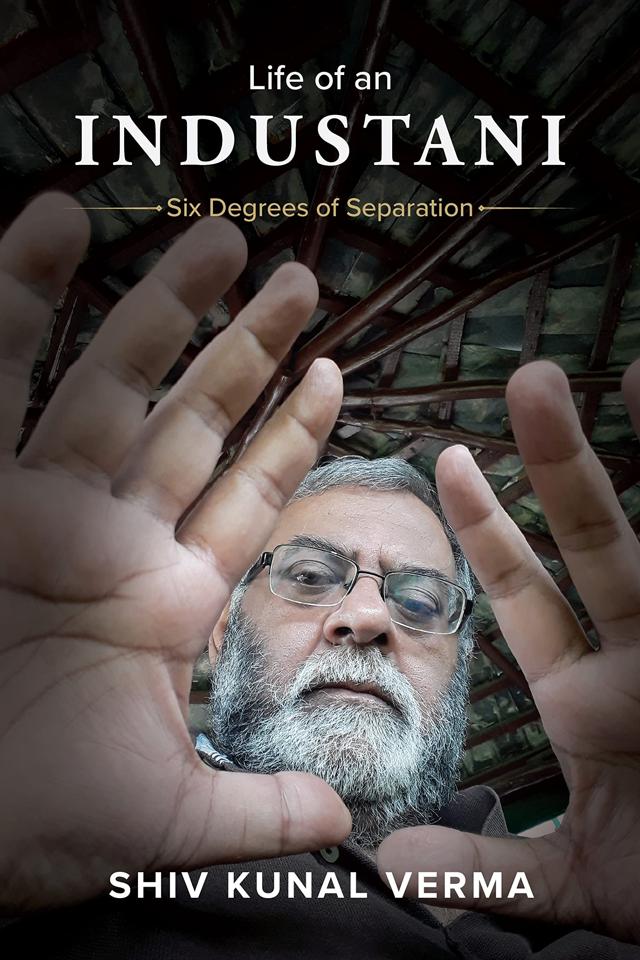
Review: Life of an Industani: Six Degrees of Separation by Shiv Kunal Verma
From the 1984 Delhi carnage to the Bhopal gas tragedy, from human animal conflict stories to abject poverty in late 20th century India, this autobiography is also an account of India’s sociopolitical landscape from the 1980s to the present

 Prefer HTon Google


Filmmaker and military historian Shiv Kunal Verma’s account of his life, Life of an Industani: Six Degrees of Separation, is, in equal measure, a thrilling account of India’s sociopolitical landscape from the 1980s to the present.
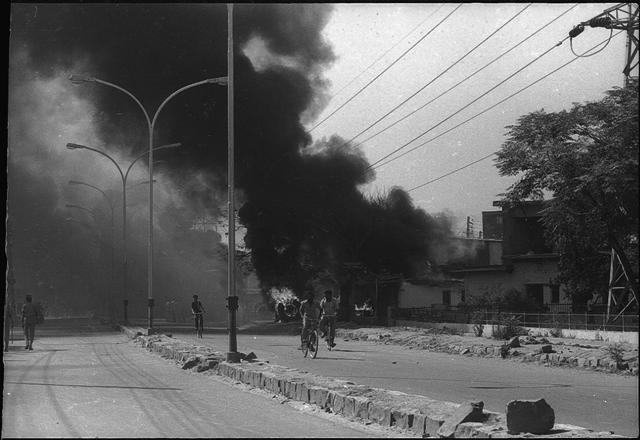
Verma, who started as a reporter-photographer for a Delhi magazine, witnessed the riots that followed former Prime Minister Indira Gandhi’s assassination in 1984. He rode his scooter around Delhi, urging people in power to step in to help, and photographing the city as it burned. He recalls seeing a violent mob heading towards an enclave, where a few of his Sikh friends lived, and rushing into their home to alert them. He then fended off the rioters who had arrived to torch the house.
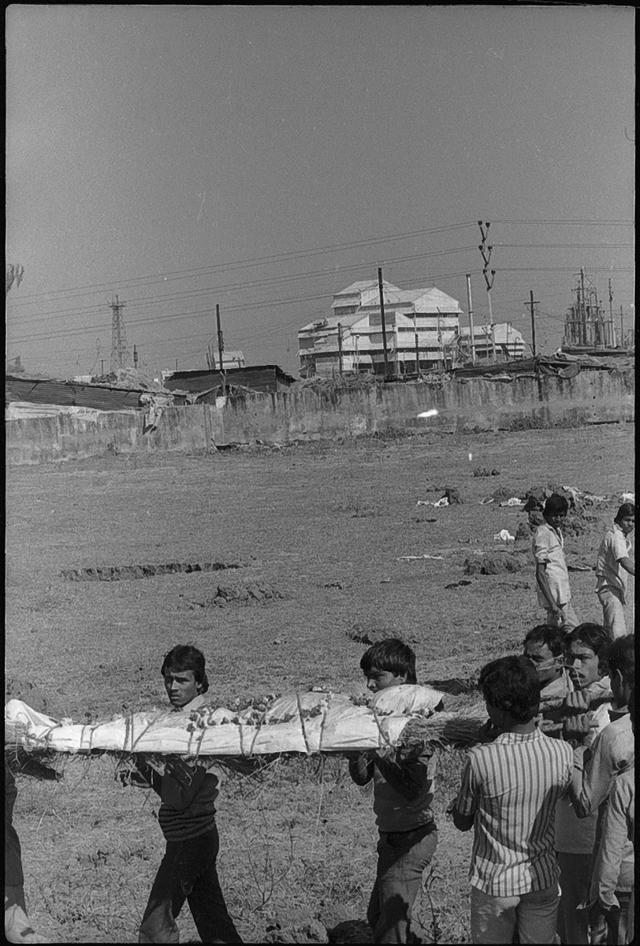
His description of the Bhopal gas tragedy with hospitals and cremation grounds overflowing with bodies, gives the reader goosebumps. “That night I couldn’t sleep, so I just sat in the balcony, stared at the railway tracks glistening in the reflected light of the station and smoked cigarette after cigarette,” he writes.
Fellow journalists do not get away easy. He recalls a European photographer handing money to a woman, whose family had just died, in return for a “good” photograph. Another reporter tried to sensationalize his copy by claiming that dogs from Kanha were eating corpses. Kanha, Verma rudely pointed out, is 450 km from Bhopal. He also accuses senior colleagues at his organisation of passing off his reports and photographs as their own. When he protested, he was shown the door, thus ending his foray into formal journalism.
Verma became interested in wildlife photography in his early twenties, and the 580 pages of this book are peppered with his adventures in the field. My favourite story is of the time he accompanied five rhinos on a flight from Guwahati to Delhi. The rhinos were brought in wooden cages from Kaziranga and transported on a hired Aeroflot II-76. His love for all kinds of animals comes through when he writes about tigers, elephants, dholes and stray dogs.
He often flew around with his pets and writes of travelling in the pressurised cabin of an Antonov An-12 with a dog on his lap. Those were different times when dogs received the loving attention of airhostesses. He writes about his dog, Maggi: “…After we landed and I disembarked, I let her loose on the tarmac and she promptly squatted under the ultra-massive engine of the Airbus and piddled…!”
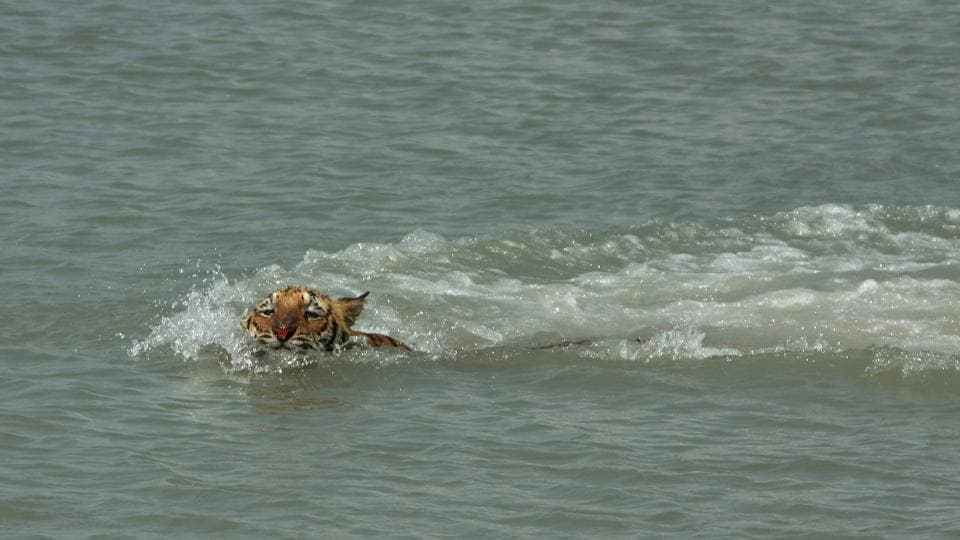
Plenty of human-animal conflict stories caught Verma’s attention during the 1980s and 1990s. He visited West Bengal, where the Sunderbans tigers had eaten 370 people, and on another occasion, travelled to Bihar, where man-eating wolves were terrorising Hazaribagh district.
While in the Sunderbans, he saw a fisherman being grabbed by a male tiger. With others, he too jumped in to save the fisherman but got stuck in wet mud and had to be extricated. In Hazaribagh, where a little girl was eaten by wolves, Verma shot two of the animals. Angry villagers then axed the bodies. “Both feet and other chunks of the legs, partly digested, spilled out of the wolves’ stomachs. It was a gruesome end to the wolf saga, but it was proof before the people that they were indeed the killers,” Verma recalls.
The son of an army man, Verma recalls that his father was distraught at his career not taking off. That’s what prompted him to start making wildlife films in earnest – the first being on the Sariska Tiger Reserve. The Project Tiger series was a huge hit, and when it ended, he launched his own company called KaleidoIndia.
His first break came with a 10-minute film on ITDC’s Kovalam Ashok Hotel – a far cry from the rough and tumble of Project Tiger. But things began looking up from then on. One of his films on the Indian Air Force outstripped Chitrahar’s viewership on March 23, 1993. “As far as Doordarshan was concerned, that then seemed to be the only yardstick to measure the success or failure of any programme,” he writes.
Verma’s story, as he points out, is clearly not his alone, but a documentation of some major events in India’s recent history. He writes of the time he drove in a Gypsy across Central India and Orissa and saw children with lifeless eyes, their naked bellies swollen like those of pregnant women.
When he stopped to buy something, he writes, “…people started rushing towards us, some thrusting their children, some even pushing teenage girls at me, begging I take them with me, in the hope that they would somehow live long enough to see another sunrise.”
On the personal front, things were not going well. On their honeymoon in Goa, his wife Simi had nightmares about Portuguese invaders walking out of the sea. After his arranged marriage fell apart, Verma married his KaleidoIndia partner Dipti.
He also writes about government officials, who expected bribes in return for granting permission for filming, and of his many astonishing “six degrees of separation” experiences.
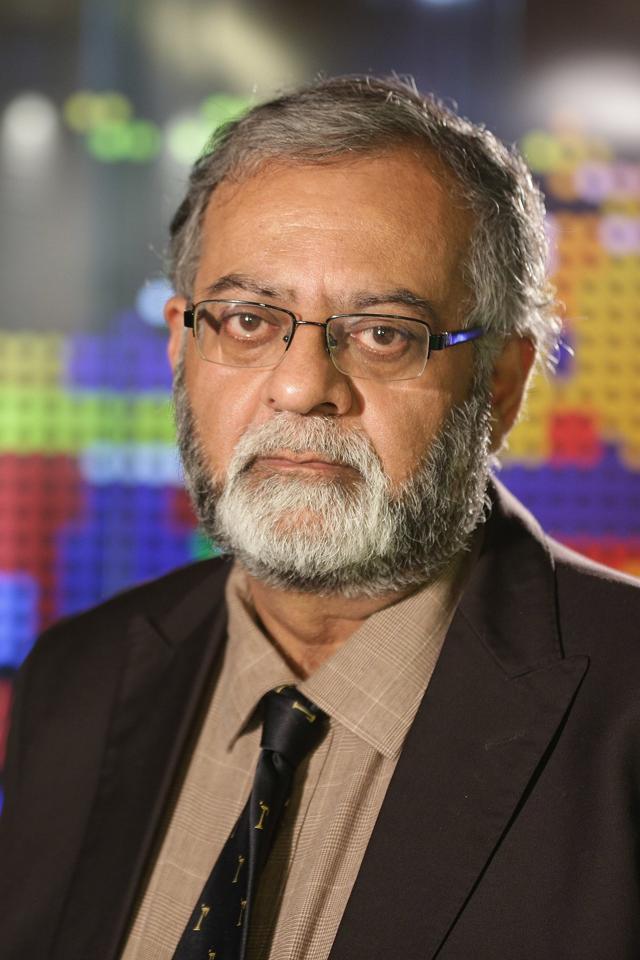
Verma, who has authored books like The Long Road to Siachen: The Question Why and 1962: The War That Wasn’t (2016), has led an unconventional life. This book is an interesting read, though, like most autobiographical narratives, it has its disadvantages. The names of bigwigs, political and otherwise, are scattered across the book and it is up to the reader to view the incidents mentioned with a degree of scepticism or to take the author’s word for it.
Verma now lives a quiet life in Kullu watching the Beas flow and gazing up from his bedroom window at the snow on Rohtang. Given his penchant for words, it wouldn’t be surprising to see part two of his autobiography in another decade or so.
Lamat R Hasan is an independent journalist. She lives in New Delhi.


