
 E-Paper



‘This situation will shape many assumptions that people had about life’
Author Amish Tripathi feels all this mayhem has surprised us because our generation grew up in the age of unprecedented prosperity

 Prefer HTon Google


navneet.vyasan@htlive.com
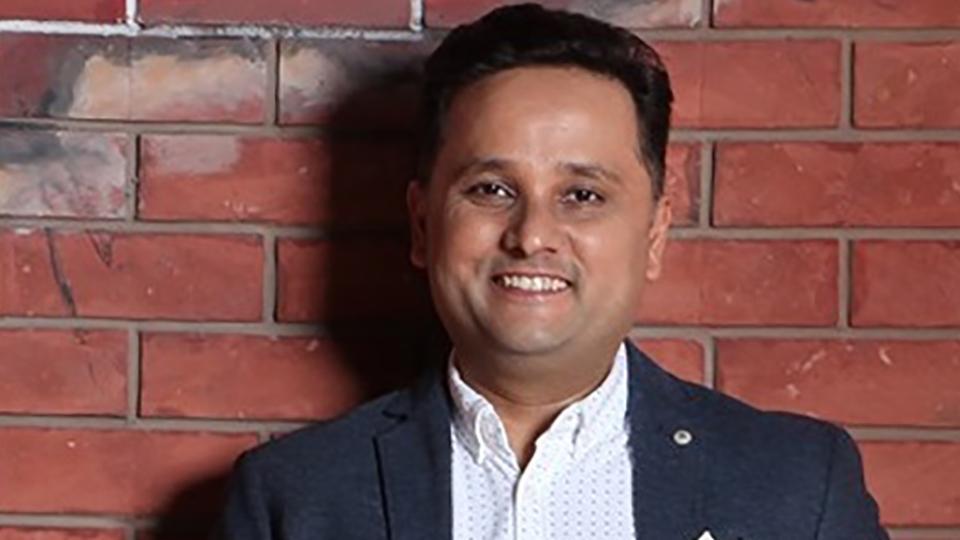
It is certainly not a good time for author Amish Tripathi and his team who are stationed in London, UK, as the Covid-19 pandemic wreaks havoc across the globe. Tripathi, who was appointed the director of The Nehru Centre in the English capital in June last year, feels that India has managed the situation quite well. “India was conservative from the beginning. And the governments who immediately reacted to the situation, as compared to others who decided to wait, have done well. In this crisis, it seems that being risk-averse was probably the wise thing to do,” he says and adds, “I would have loved to come back because my son is in India. But it wouldn’t be appropriate as my team is here. It is my responsibility to take care of them.”
With the grim situation that the UK finds itself in, Tripathi hopes for a better tomorrow. Currently residing in Mayfair, the author says, “London is in a difficult situation. In the UK, there are a thousand people dying every day. This is far more than the total death toll of India put together.”
Moreover, being part of the Indian High Commission, there is a lot of work that still has to be done. “We are here to support all the Indians living in the UK. There are teams that we have to take care of,” he says.
And if he’s able to squeeze some time for himself, Tripathi works on his next book. He adds, “I also go out for a jog every day as Hyde Park is right next door. Here we are allowed to go out once a day for an hour.”
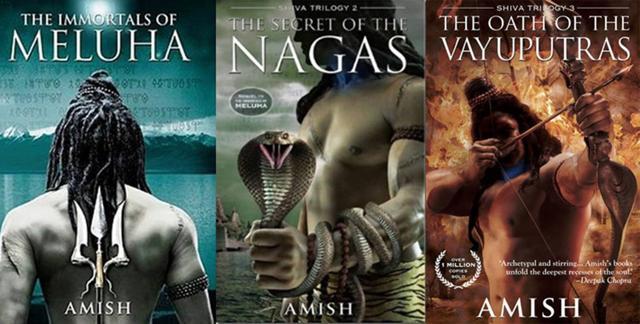
However, the author feels that as far as calamities are concerned, his generation has been considerably lucky. “I’m 45. Our generation and the generation younger to me have to admit that we are privileged,” he says. He adds that we’ve lived in an era of unprecedented peace and prosperity in most of the world. “We have also got used to it. We could travel anywhere, very smoothly, very easily, which was not the way it was for most of human history. It’s the assumptions that make the new reality, a bit difficult to adapt to,” says the author who, last year, released the third book in his popular Ram Chandra series, titled Raavan: Enemy of Aryavarta.
He concludes that although it is too early to say how this will affect the world, a few broad things are clear. “I feel, across much of the democratic world, the governments will become more powerful. Of course, freedom and privacy will not be affected. Democracies will not lose that. We’re not China. But the pendulum may swing more towards the government having more rights,” he says. Tripathi feels that people may also accept it because “they may see it as the only logical way to keep us safe as this situation will shape many assumptions that people had about life”.


