
 E-Paper



HT Picks; New Reads
On the list of interesting reads is a book that examines the endurance and violence of the caste system through the lens of the law, a portrait of the quiet coffee growing district of Kodagu, and a timeless book of wisdom for all ages

 Prefer HTon Google


Battles for Equality in Hindu India
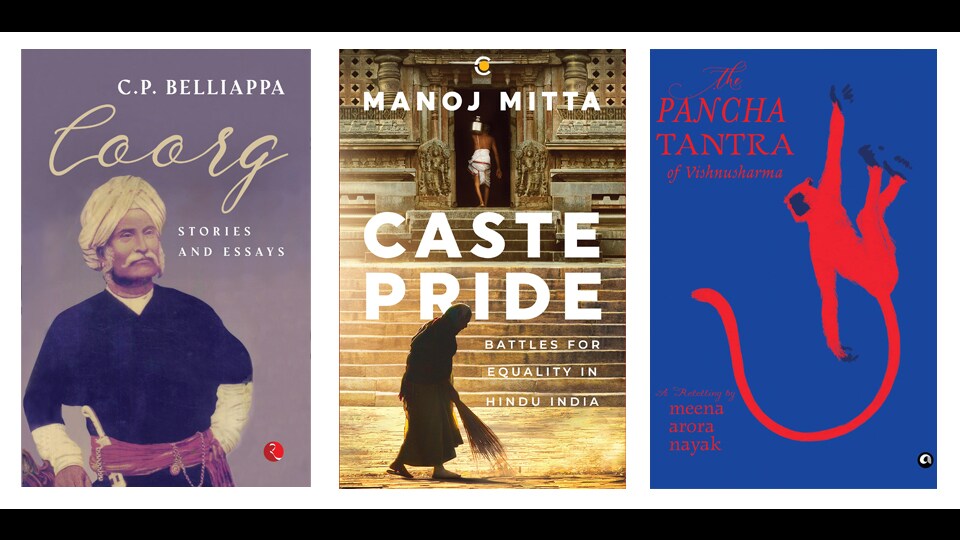
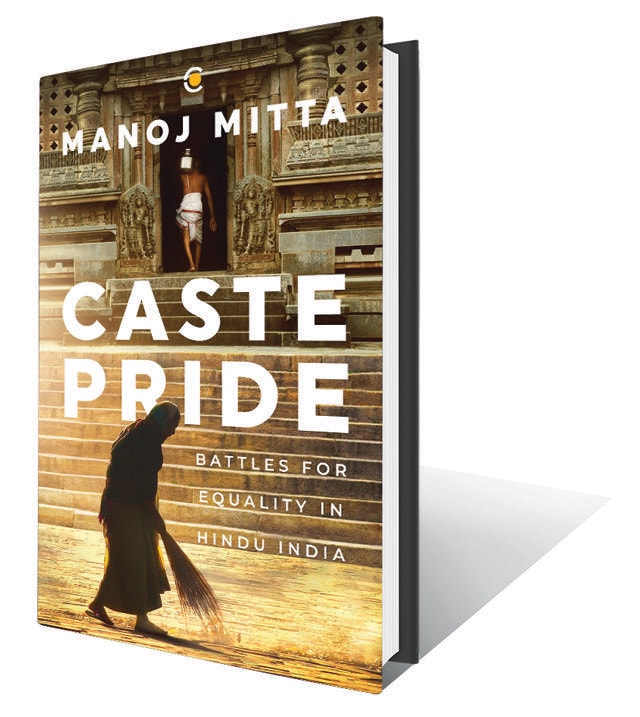
In this masterful work, Manoj Mitta examines the endurance and violence of the Hindu caste system through the lens of the law. Linking two centuries of legal reform with social movements, he unearths the characters, speeches, confusions and decisions that have shaped the war on caste, mitigating how this ancient institution discriminated between Hindus across the board. Where they could live, how they could dress, whether they could go to a shop, a stream, walk a street or mingle, enter a temple, whom and how they could marry, which scriptures applied to whom, whether their actions, innocent or criminal, would attract punishment or impunity.
Describing brilliantly the passage of Hinduism into its modern avatar, the book celebrates women and men across the caste spectrum — pioneers Savitribai Phule, MC Rajah, R Veerian, BR Ambedkar, Periyar, Vithalbhai Patel and others — and outside of the caste system, such as non-Hindu legislators and administrators, including Maneckji Dadabhoy, William Bentinck and Lord Willingdon. It re-examines the positions of leading lights such as Motilal Nehru, Thomas Munro, Mahatma Gandhi and C Rajagopalachari, and shows why caste prejudice cleaves to names like Madan Mohan Malviya and Surendra Nath Banerjea.
Through these histories of reform, Mitta establishes that untouchability is merely the best-known aspect of varna, an elusive purity-based hierarchy that affects the freedoms of all. With groundbreaking discoveries and incisive insight, Caste Pride is at once moving, enlightening and transformative.*
Tracking the heartbeat of Kodagu
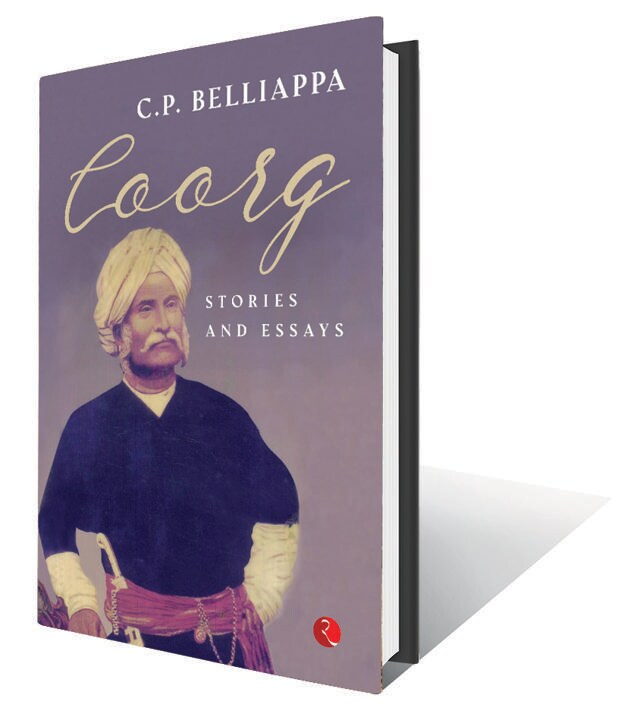
In this deeply researched and evocative collection, CP Belliappa tracks the heartbeat of Coorg (Kodagu), portraying the present with the past, offering a timeless portrait of a quiet coffee growing district.
Through essays and stories starting with prehistoric relics found in Coorg, the book begins by tracing the progress of the land and its people during the rule of the Haleri rajas; the British annexation and their administration of the territory and the events that culminated in Coorg becoming a part of the Kannada speaking state of Karnataka. The essays and stories then offer the fascinating illustrated story of Princess Victoria Gowramma, the lost princess of Coorg. With several lucky turn of events after his book on Victoria Gowramma, Belliappa was able to connect with her descendants; meet a great-great-great grandson of Queen Victoria; interact with the direct descendants of the last raja of Coorg and collaborate with a great-great-granddaughter of Lt Col John Campbell (Victoria Gowramma’s husband).
Merging public with the private, Coorg Stories and Essays covers the freedom movement in Coorg and the significant role played by the author’s father CM Poonacha, with essays on the events that transpired before and after Independence.*
Lessons about living
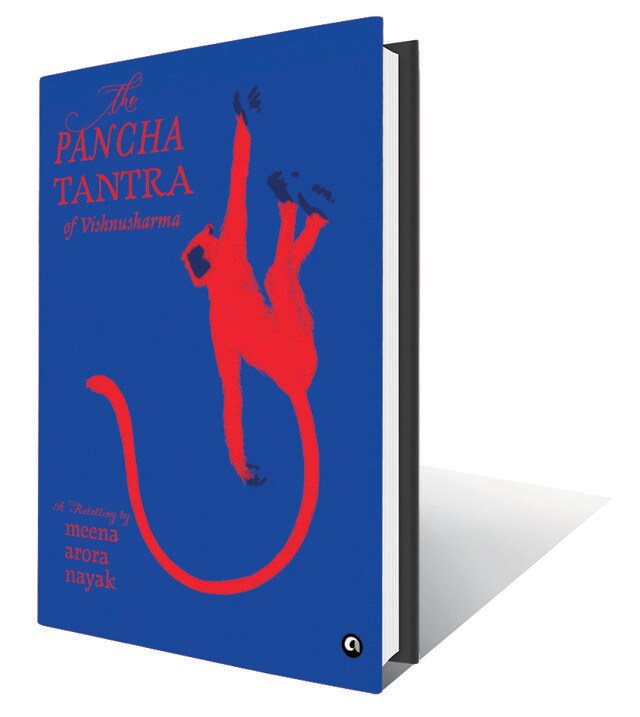
Authored in about 345-300 BCE by Vishnusharma, the Panchatantra has long been considered one of India’s invaluable gifts to the world. Its creation is the stuff of legend: in an effort to expedite the education of his three unschooled sons, the wise King Amarashakti of Mahilaropya sought out the octogenarian scholar Vishnusharma, who was known for his inventive teaching methods. Vishnusharma not only accepted the task of educating the princes but also said that he would accomplish it in six months. The Nitishastra he used to teach the princes was one he composed specifically for the purpose and this was called the Panchatantra — five treatises.
Mitra Bheda (breach of friendship), the longest of the sections, is framed around the deep friendship between a lion, Pingalaka, and a bull, Sanjivaka, and narrates how they are turned against each other, raising the question: can two animals who are natural enemies ever be friends? The second tantra, Mitra Samprapti (acquisition of friends), relates how a crow, mouse, tortoise, and deer become friends, and shows how friendship between the small and powerless is beneficial to all involved. Kakolukiyam (of crows and owls), the third tantra, is a narrative that draws from Kautilya’s six-fold state policy, which is woven into the tantra’s frame story that describes a vendetta between crows and owls. The fourth tantra, Labdha Pranasham (loss of acquired gains), is centred around the well-known tale of a crocodile’s treasured friendship with a monkey and how he loses it when his wife develops a hankering for the monkey’s heart. Aparikshita Karakam (impetuous actions), the last tantra, is unique for its focus on human characters. The framing tale is about a barber who, under a misconception, assaults monks, rashly assuming that this will bring him gold. It makes the case that reckless actions, especially when they are triggered by greed, end in failure and grief.
The 69 stories in the Panchatantra cut a wide swathe, depicting as large a slice of life as possible. The cast of characters consists of lions, tigers, wolves, cats, tortoises, monkeys, deer, hares, snakes; crows, cranes, and various other birds; and water creatures, such as fish and crabs. There are also some humans, such as weavers and barbers, fowlers and hunters, as well as wealthy merchants, and ministers, kings, and, along with these, a smattering of priests. While in recent times it has been largely treated as children’s literature, the Panchatantra is a timeless book of wisdom for all ages, filled with tales laced with insight, cogent witticisms, and lessons about living. In this retelling of the ancient text, Meena Arora Nayak creates a work that is lucid, fluent, and engaging, while keeping the essence of its magnificence intact.*
*All copy from book flap.


