
 E-Paper



Taste, health, fun – humble dal packs them all!
A snack, a starter, a soup, a curry, a roti, a sweet – dal is celebrated across India and the world in so many delicious ways, says Kavita Devgan.


Manu Chandra, executive chef and partner at Bangalore’s Olive Beach and the man who crafts European-style delicacies for India’s well-heeled, is a big fan of the humble dal. “I have two

katoris
of it without fail for dinner,” he says.
“I grew up on
khichdi
. My grandmother would simply ask ‘do you want peeli khichdi or kaali khichdi’ before she started making it. I think every state, every household has its own version of it.”
Gram for gram
Many thousand kilometres away in Kolkata, food writer Manidipa Mandal agrees. Bengalis eat dal even at breakfast, as stuffed puris like the
kochuri
,
radhaballabhi
or
dalpuri
. These are accompanied by split gram or
cholar dal
. “If rice is the vehicle of a Bengali feast, lentils are the engine oil. The simplest of balanced meals is dal-bhaat. But cooked together, they become the food of gods, the holiday feast: khichuri,” she says.
In Bihar, they revere a powdered baked gram called
sattu
, turning it into a high-energy meal when mixed with water or milk or stuffed into chapatis as
makuni
roti.
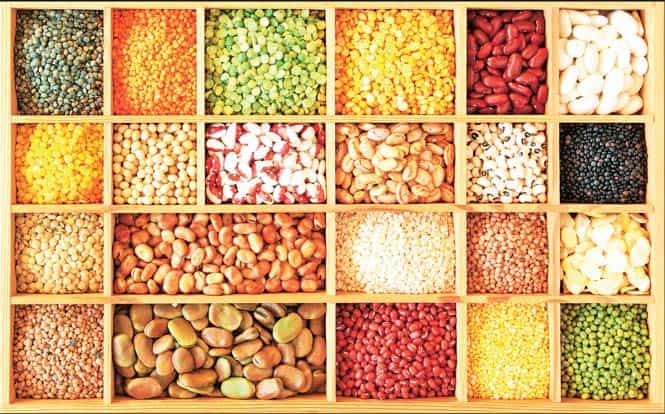
In Rajasthan, where water is scarce and crop yields uncertain, it’s dal, dried, soaked and combined with puri (like a
kachori
), that comes to the rescue. “
Dal-baati-churma
is probably the state’s most famous delicacy and usually includes
Panchmela dal
,” says Bharti Sanghi of Delhi’s Home Alone Foods. “Rajasthan’s tastiest curries use pulses or gram flour (
gatte ki subzi
) and there are other interesting dishes like
chana dal
fingers called
kalmi bara, dahi bara
and
kanji pakori
.”
Can you imagine a home-style Punjabi meal without
rajma
, or Maharashtra without
misal
or
puran poli
? Or snack time in Gujarat without dal-based farsan like
dhokla, khandvi, khaman
,
dal kachori
and
mathia papad
?
Even communities with a large repertoire of meaty dishes find room for dal. In Hyderabad, dal lends a divine smoothness to haleem, and the Parsis’ best-known dish is the rich mutton-dal dhansak. And south of the Vindhyas, it’s all about khatti Hyderabadi dal, idlis, dosas, appams and vadas, all made with grams and lentils.
Dal around the globe
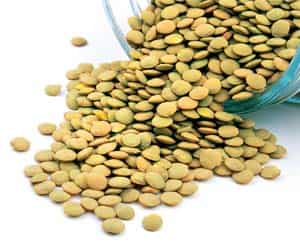
India holds its dal very close, but it is by no means the only country with lentil and gram dishes. Lentils and pulses were among the first crops domesticated by man, so for the world traveller, this spells good news. Your homesick palate can find solace in a simple boiled dish of pui lentils (masoor dal) or the more elaborate gnocchi pasta with chickpea in Italy. In East Europe, a red lentil soup is nourishing and widely available. Around the Mediterranean and Central Asia, chickpea paste called hummus and falafel patties are an enduring part of the local cuisine. In faraway Japan and Korea, mung beans and lentils show up in pancakes, curries, soups and even savoury jellies. And if you find yourself in Ethiopia, make room for a stew-like dish called kik, or kik wot, which accompanies their national food, a dosa-like bread called injera.
“In Mexico the most common lentils are Spanish brown (pardina) lentils and large yellow ones called macachiados, which are similar to moong dal or pink masoor dal found in India. Lima beans (like rajma) are eaten commonly as stuffing for tortillas,” says Nishant Choubey, executive chef at Delhi’s Dusit Devarana. Across Morocco, red lentil harira soup is a delicious party food and a favourite of just about everyone. Middle Eastern kibbehs and kebabs have dals in them and Mujadarra (quite like our kali khichdi) from Lebanon are known world over. Koshari (a mix of rice, lentils and macaroni with spicy tomato sauce) is Egypt’s national dish. “It is believed to have originated during the time of British colonisation and its name comes from the word
khichdi
!”
Packed with power
In India, we’re lucky to have such a variety of dals and so many ways to play with them. “Dals are amazingly versatile; in fact it is quite unbelievable how much one can do with them,” says Chandra. Dals make for delicious papads across the country. In Bengal, Mandal says that lentils ground into paste and dried into little flat cones or drops “similar to a Hershey’s kiss” make for a rainy day khichuri accompaniment in the form of bori bhaja, or are crumbled into garnish for a dish of wilted greens or chopped banana blossom, or allowed to soften and boost the protein content of stews with veggies or fish.
Dals are true-blue power foods. They are packed with very good quality protein, have very low fat and are a boon for vegetarians. Although the protein they inherently contain doesn’t completely meet our nutritional requirements (it doesn’t have all of the amino acids), when combined with a cereal like rice, atta or bread they deliver pretty much all the protein you need. Dals also have antioxidants, help boost your immunity, have good amount of blood fortifying iron and heart-saving folate, a lot of fibre (to keeps cholesterol down and digestion smooth), age-retardant vitamin C. An added bonus: they’re super tasty!
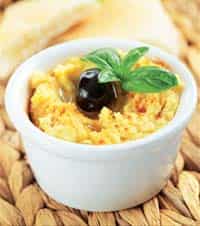
Give your daily dal a makeover with these delicious recipes
From HT Brunch, January 19
Follow us on twitter.com/HTBrunch
Connect with us on facebook.com/hindustantimesbrunch


