
 E-Paper



Budget throwback: Why Budget of 1997-98 was known as the 'Dream Budget'
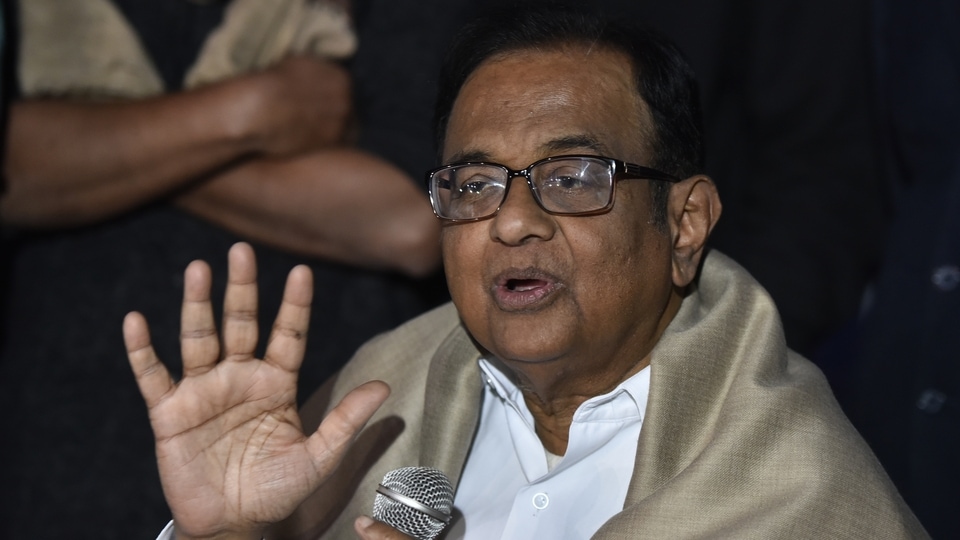
The philosophy for the ‘Dream Budget’ of 1997 presented by former Finance Minister P. Chidambaram was that lower tax rates would boost taxpayer compliance.

 Prefer HTon Google


The 1997 Union Budget presented by the then-Finance Minister Palaniappan Chidambaram, was also known as the 'Dream Budget,' and was renowned for introducing bold reforms despite India at that time being ruled by the United Front government.
The United Front was an alliance of 13 parties headed by H.D. Deve Gowda as prime minister. He was a politician from Karnataka.
Chidambaram’s predecessor Manmohan Singh was responsible for India’s economic reforms of 1991, which opened up the economy to the outside world. However, the same party he belonged to was voted out in 1996.
Also Read: Union Budget 2024: Longest and shortest budget speeches presented in Parliament
Chidambaram at that time had quit the Congress party and joined the regional Tamil Maanila Congress, which formed a coalition for the 1996 general elections.
India’s GDP growth at that time was much lower than its South East Asian peers, which led India’s corporates to lobby for policies like rationalised taxes that can stimulate economy growth, but this came with limited hope, according to a Forbes report, which added that the BSE Sensex surged 6.5% after Chidambaram presented his budget, showcasing the highly positive sentiment towards the budget at that time.
What were the reforms in the Dream Budget?
Chidambaram lowered the maximum income tax rate slab to 30% from 40% earlier, and reduced the corporate tax rate for domestic companies from 40% to 35%. The peak customs duty was reduced from 50% to 40%, and the excise duty structure was also simplified, according to a Moneycontrol report.
He also did away with surcharge and brought down royalty rates. The investment limit for foreign institutional investors was also increased and the groundwork for the first round of disinvestment in PSUs was also created.
Also Read: Your Union Budget 2024 cheatsheet: Direct, indirect taxes and what you must look for
Chidambaram introduced a new criterion where people who meet at least two out of four conditions must compulsorily file returns. These include owning a four-wheeler, occupying an immovable property, owning a telephone, or having traveled to a foreign country in the previous year, according to a Business Today report.
He introduced the Voluntary Disclosure of Income Scheme (VDIS) where people with undisclosed income won’t be penalised or punished as long as they disclose the income, irrespective of the year or the nature or the source of the funds. They would instead be charged at the revised highest rate of tax, with no interest or penalty.
He also relaxed some provisions for the minimum alternate tax (MAT) introduced in the 1996 budget. The MAT would allow the taxation of companies that make huge profits, but pay little to no taxes by taking advantage of exemptions, according to the Moneycontrol report.
Why were these reforms implemented in the Dream Budget?
Chidambaram believed that lower tax rates would boost compliance and therefore, make more people and companies pay taxes.
What was the end result of the dream budget?
The most significant long-term result of the Dream Budget was that Income tax collections grew from ₹18,700 crore in 1997 to over ₹2 lakh crore in 2013, according to the Forbes report.
Also Read: Worried about rising prices? Here's what inflation trends are ahead of Union Budget


