
 E-Paper



Reserve Bank of India data shows rise in big-ticket bank frauds
According to statistics given in the RTI query filed by economist Prasenjit Bose, total value of bank frauds in this given category has increased from Rs1,542.8 crore in 2008-09 to Rs22,469.6 crore in 2017-18.

 Prefer HTon Google


Data released by the Reserve Bank of India (RBI) has revealed that big-ticket frauds against banks have been rising consistently in the last decade. In 2008-09, the average amount involved in advances (loan) related fraud, where amount involved was more than ₹1 lakh, was Rs75 lakh. This increased to Rs9 crore in 2017-18. These numbers are based on RBI’s response to a Right to Information query, which has been seen by HT.
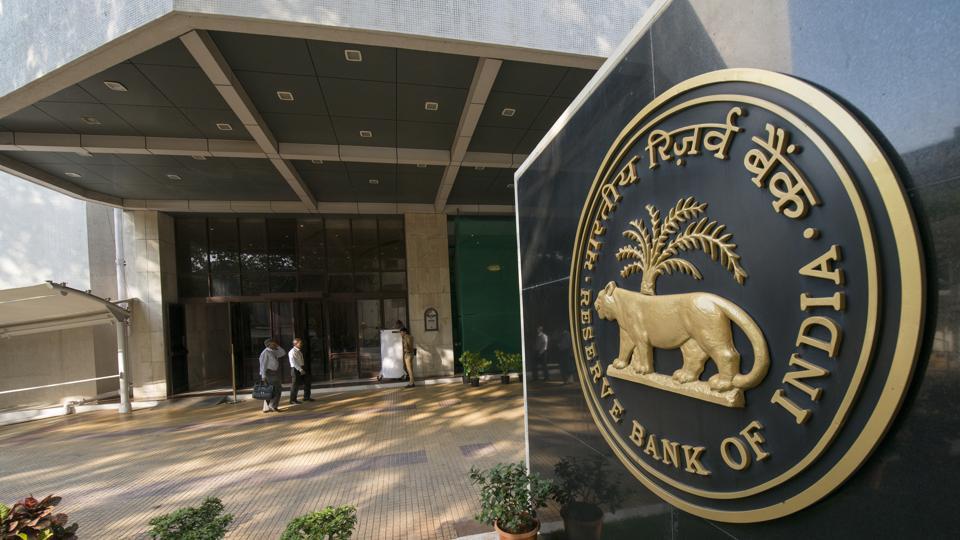
According to statistics given in the RTI query filed by economist Prasenjit Bose, total value of bank frauds in this given category has increased from Rs1,542.8 crore in 2008-09 to Rs22,469.6 crore in 2017-18. In seven out of these ten years nationalised banks have accounted for more than two-third of the total amount involved in these frauds. To be sure, it is entirely likely that the total amount of fraud declared in a given year corresponds to loans which were given out much earlier.
What is worth noting is the fact that the total amount in these frauds continues to be a small proportion of the outstanding Non-Performing Assets (NPAs) of the banks. In fact, the share of amount involving frauds in total NPAs reversed its increasing trend in the period after 2014-15. This could be a result of an increase in NPA amount after the RBI forced banks to recognise them by mandating the process of Asset Quality Review in 2015.
A sharp rise in average amount involving bank frauds shows rising unscrupulous behaviour among big borrowers. This also raises serious questions about complicity of senior management within the banks.
The small share of amount involving fraud in overall NPAs suggests that bulk of India’s bad debt problem is due to cyclical and other economic setbacks to businesses rather than corruption. To be sure, these numbers could increase in the days to come.
This is because even a non-fraud category NPA could shift to the category of fraud in case fresh information is discovered during resolution process. At the same time the rising trend in total frauds call for an overhaul of corporate governance and vigilance mechanism in banks, especially the government owned ones.


