
 E-Paper



Since Manmohan opened up economy, Rajan second RBI guv to get single term
RBI governor Raghuram Rajan’s decision to not pursue a second term, despite his growing popularity and his own admission of an incomplete agenda, has turned the spotlight on the top job at India’s central bank.

 Prefer HTon Google


RBI governor Raghuram Rajan’s decision to not pursue a second term, despite his growing popularity and his own admission of an incomplete agenda, has turned the spotlight on the top job at India’s central bank.
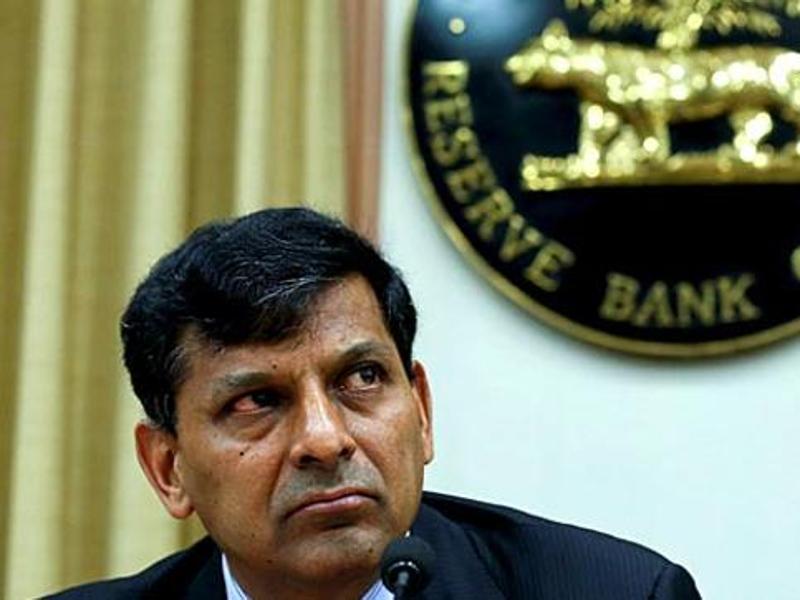
The RBI has had 23 governors so far, two of whom went on to become finance ministers, and in the case of Manmohan Singh, Prime Minister as well. However, the Indian RBI governor’s tenure of three years is considered to be the shortest for any G20 country.
According to people who track RBI and its policies closely, India’s central bank is widely respected as an institution and the markets on Monday bowed to that philosophy, when despite fears of a crash in reaction to Rajan’s exit, indices soared after an initial slump.
Since 1991, when economic reforms were ushered in by the then Prime Minister PV Narasimha Rao, Rajan will become the second RBI governor to vacate the office on the 18th floor of RBI headquarters, without serving a five-year term. Rajan’s tenure ends on September 4, 2016.
Before him, S Venkitaramanan got a two-year tenure from December 22, 1990 to December 21,1992— a period made in famous due to the Harshad Mehta scam.
Rajan’s predecessor, Duvvuri Subbarao came in just before the collapse of the Lehman Brothers in 2008. In his first seven months, Subbarao cut the repo rate — the rate at which banks borrow from RBI — from 9% to 5%. But towards the end of his second term he stood firm, despite pressures to cut rates again, and helped in keeping inflation under control.
YV Reddy (September 2003– September 2008), served a five-year term. He became famous for banning bank loans for purchase of land, to avoid a bubble, which later hit China. He also cut securitisations and derivatives and essentially stopped off balance-sheet financing. Reddy was also lauded for steering India away from the financial crisis in overseas credit markets. Nobel Laureate Joseph E Stiglitz had said: “If America had a central banker like YV Reddy, the US economy would not have been in such a mess.”
Prior to Reddy, was Bimal Jalan ( November 1997-September 2003), who was also known to have effectively shielded the Indian economy from the Asian financial crisis of 1997-98. He also introduced the 1,000 denomination currency notes during his tenure.
Jalan’ s predecessor, C Rangarajan (December 1992-November 1997), saw unexpected central bank activism to put in place measures, instruments and a unified exchange rate. A historic memorandum was signed between RBI and the government, where a cap was put on automatic finance by the central bank to the government in the form of ad hoc treasury bills. He later on went on to head the Prime Minister’s Economic Advisory Council.
Read| Rajan bats for moderate inflation, warns against ‘dramatic’ rate cuts
Read| Rajan successor to be named well before Sept 4, no search panel: Sources


