
 E-Paper



$100,000 H-1B Visa fee risks up to 5,500 work permits a month, JPMorgan says
Though the number of affected workers is “fairly small”, the H-1B visa changes have an outsized impact on Indian IT workers, JPMorgan says.

 Prefer HTon Google


The White House’s new $100,000 fee on H-1B visa applications could reduce work authorisations for immigrants by as many as 5,500 a month, according to an analysis by JPMorgan Chase & Co. economists.
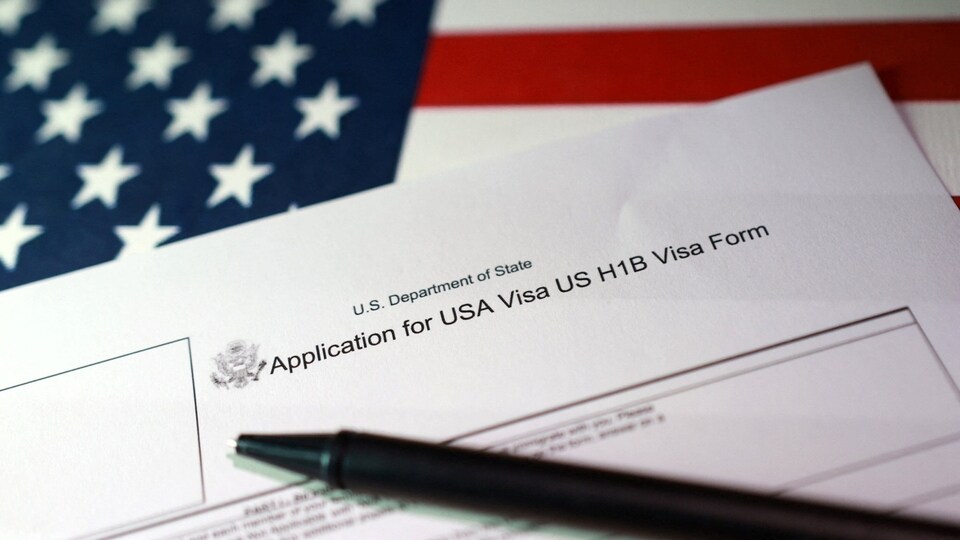
Though the number of affected workers is “fairly small” in the context of the overall US labour market, Abiel Reinhart and Michael Feroli wrote in a note, technology companies and immigrants from India stand to face a greater impact.
Computer-related occupations accounted for nearly two-thirds of H-1B approvals in the year through September 2024, and roughly half of approved petitions were for roles in the professional, scientific, and technical services sector. About 71% of the visa approvals were from India.
Of the some 141,000 H-1B petitions for new employment approved last fiscal year, about 65,000 of those visas were processed abroad. The JPMorgan economists said those are most likely to be exposed to the new fee.
“If all of them were to stop, it would reduce work authorisation by up to 5,500 per month, unless immigrants are able to use other visa categories to get employment,” Reinhart and Feroli wrote.
Loujaina Abdelwahed, a senior economist at Revelio Labs, said the dramatic increase in fees “is effectively equivalent to dismantling the H-1B system, potentially eliminating up to 140,000 new jobs per year—about 10,000 per month—in US companies that depend on skilled foreign talent”.
US hiring has cooled materially, with employers adding just 29,000 payrolls per month on average over the past three months. Federal Reserve Chair Jerome Powell said last week that reflects a “marked slowing” in both the supply and demand for workers, in part due to lower immigration.
Bloomberg Economics estimates the most notable impact will likely be a reallocation of visas toward higher-wage roles in sectors such as technology, finance and healthcare, while squeezing out lower-paid positions in fields like education. They don’t anticipate a large reduction in the overall number of visas, since demand for the authorisations still far outstrips supply.
In the near term, the existing H-1B workforce should remain stable as the fee applies only to initial petitions, not renewals, according to Bloomberg Economics’ Chris G. Collins and Stuart Paul.
ALSO READ | US Notifies Application Process For New H-1B Visas
“The broader impact is less certain,” they said. “The policy may create some opportunities for US workers and channel visas toward employers who value them most. But it also risks encouraging offshoring of roles no longer viable domestically.”


