
 E-Paper



HTLS 2024: Audi India’s Balbir Singh Dhillon outlines four key factors for EV success
HTLS 2024: Audi India head Balbir Singh Dhillon hailed the Narendra Modi government's initiatives on electric vehicles.

 Prefer HTon Google


Audi India head Balbir Singh Dhillon on Friday listed four factors that could lead to electric vehicles' success in India. He also hailed the Narendra Modi government's initiatives on electric vehicles.
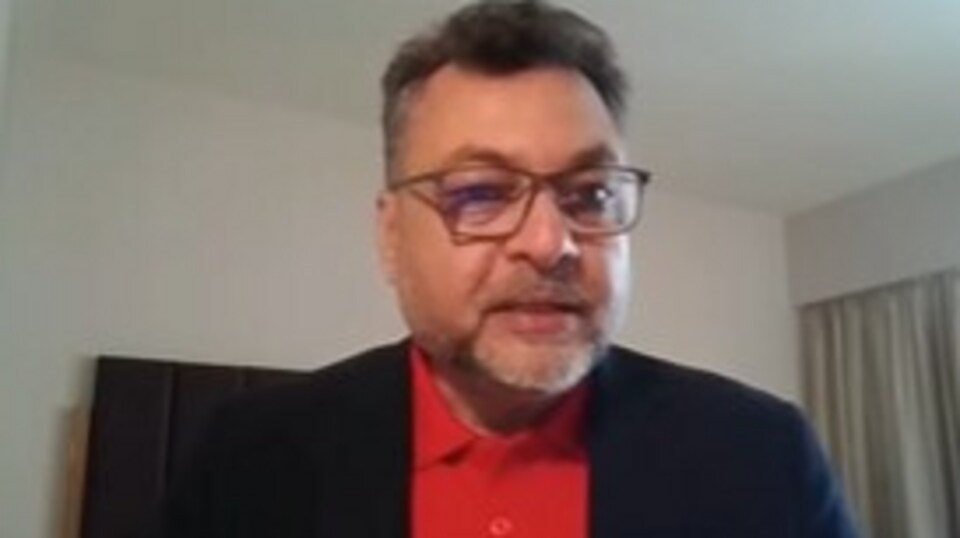
“They are customers, charging stations, policy and original equipment manufacturers,” Dhillon told Mint Editor-in-Chief Ravi Krishnan at the Hindustan Times Leadership Summit 2024.
"We are still at the very beginning of electric mobility. It's not that we've covered many years. It's only been a few years since the industry took the leap and jumped into this new segment with new technology," he added.
The Audi India head hailed the Centre for its EV initiatives, saying,“We are very happy with the initiatives taken by the central government. The GST is 5%, compared to 48-50% for ICE cars in the luxury segment we operate in. Additionally, the government is helping improve charging infrastructure...some state governments have reduced registration costs. All of this is certainly helping us."
Hindustan Times Leadership Summit 2024 LIVE Updates
Dhillon noted that the most important issue remains if the government can help in improving high-speed charging infrastructure across the country. "It would be beneficial to have a single application where all charging point operators can integrate their charging stations for ease of operations," he added.
Feedback from EV buyers
On receiving feedback from the electric car buyers, Dhillon said,"Our customers own more than one car. So, for them, owning an electric car has been a pleasure so far."
Audi's challenges in setting up charging infrastructure
On challenges faced by the automobile giant in setting up charging infrastructure across the country, Dhillon said,"First and foremost, there’s the geography of the country. As you can understand, we are a very large country. We have set up 140 charging points, most of them at our dealerships or our group brand dealerships. We’ve also set up an ultra-fast charging station at BKC in Mumbai."
“However, there will always be a limitation for us, as we are not a dedicated charging infrastructure company. So, while we are trying to support this journey as much as we can, physical charging infrastructure will remain a challenge,” he added.
“Within cities, there’s no problem. It’s on highways where we need high-speed charging infrastructure,” he said.
The Audi India head also spoke on the government's 30 per cent EV penetration target by 2030. “I think it's a little optimistic, but let me add a caveat -- if we are able to develop the charging infrastructure properly and provide the necessary convenience to customers, it’s very much possible,” he said.


