
 E-Paper



Black Monday on Dalal Street: 5 biggest stock market crashes in India’s history
Stock market crash today: As markets opened, Sensex crashed 3,939.68 points to 71,425.01 in early trade, while Nifty tumbled 1,160.8 points to 21,743.65.

 Prefer HTon Google


Stock market crash today: Indian equity benchmark indices suffered heavy losses on Monday amid concerns of a global trade war and growing recession fears in the United States.
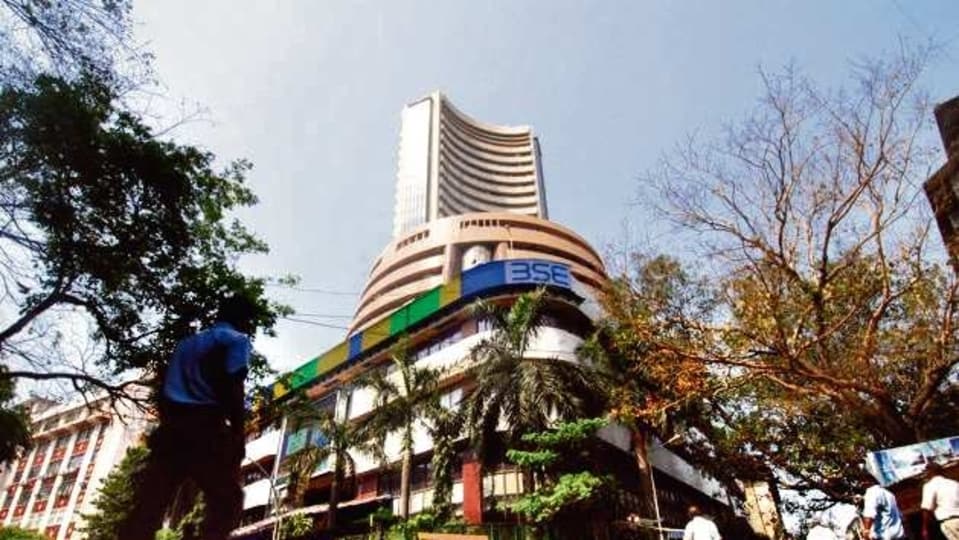
As markets opened, Sensex crashed 3,939.68 points to 71,425.01 in early trade, while Nifty tumbled 1,160.8 points to 21,743.65. All 13 major sectors logged losses. Follow LIVE updates.
IT companies, which earn a significant share of their revenue from the US, lost 7%. The broader small-caps and mid-caps lost 6.2% and 4.6%, respectively.
Also Read | Why is Indian market crashing today? Reason behind the Sensex, Nifty fall explained
Monday's crash is the biggest opening fall in the Indian markets since the Covid pandemic struck in 2020.
Here's a look at some of the biggest stock market crashes in India
- Harshad Mehta scam (1992)
The stock market experienced a severe downturn following the infamous Harshad Mehta securities fraud, where the broker artificially inflated stock prices using fraudulent funds.
Also Read | Donald Trump firm on tariff plans amid market turmoil: 'What’s going to happen, I can’t tell you'
Between April 1992 and April 1993, the Sensex plummeted by 56%, nosediving from 4,467 to 1,980 points. The aftermath lingered for nearly two years before markets found their footing again.
In 1997, the ripple effect of collapsing currencies across East and Southeast Asia led to a sharp decline in the Indian stock market. By December of that year, the Sensex had dropped over 28%, sliding from 4,600 points to 3,300 points. It took about a year for the market to regain strength and hit fresh highs.
As tech stocks lost their shine, the early 2000s witnessed a significant market correction. The Sensex fell from 5,937 points in February 2000 to 3,404 points by October 2001 — a 43% drop. Gradual recovery followed as investor attention moved beyond the technology sector.
The 2008 market crash was triggered by the collapse of Lehman Brothers and the unfolding subprime mortgage crisis in the United States. The Sensex plunged over 60%, tumbling from 21,206 points in January to 8,160 points by October. A mix of government stimulus and improved global liquidity contributed to a recovery the following year.
The outbreak of Covid-19 and the subsequent global lockdowns brought markets to a halt in March 2020. The Sensex lost 39%, falling from 42,273 points in January to 25,638 points. Swift and aggressive fiscal and monetary interventions sparked a sharp, V-shaped recovery by the end of the year.
(Inputs from Mint)


