
 E-Paper



How far off is dollar doom?
The dollar, therefore, may be bruised—but the damage is not worsening.


 Prefer HTon Google


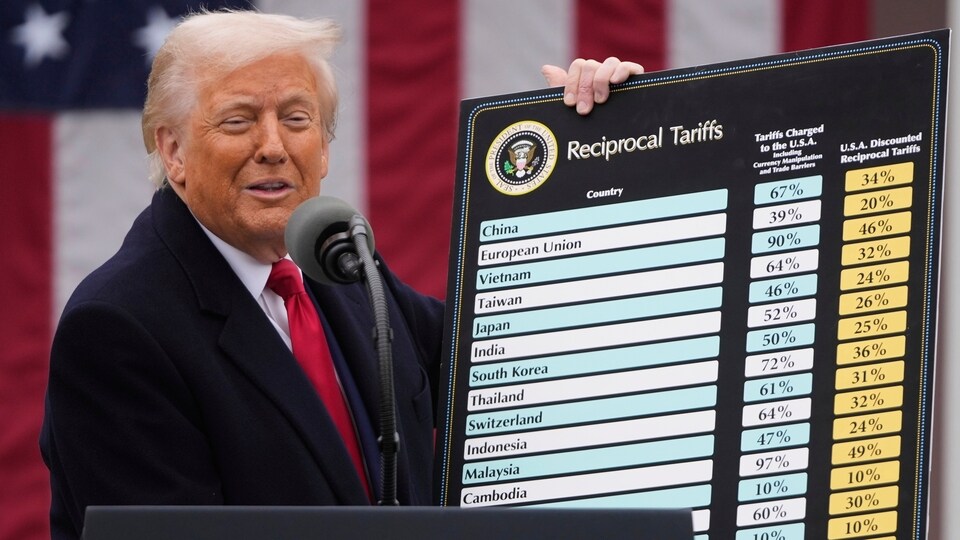
Since Donald Trump returned to the White House, American investors have received one shock after another—so it really takes something to get them to jump these days. Announcements that not long ago would have been bombshells, such as the president deciding to levy a tariff of 50% on copper or 30% on the European Union prompt a shrug. A rare exception came on July 16th, when Mr Trump seemed to contemplate sacking Jerome Powell, chair of the Federal Reserve, but even then the reaction was relatively muted: a pop in Treasury yields and slump in the dollar. Mr Trump reversed course; business got back to normal. The following day American stockmarkets hit all-time highs.
Inured as investors might be to the chaos, they are not ignoring it entirely. One sign of concern is that since Mr Trump’s inauguration the dollar has fallen by almost 10% against a basket of rich-world currencies—the exact opposite of what had been predicted by Scott Bessent, the treasury secretary, who thought that tariffs would strengthen the dollar by reducing the need for American firms to buy foreign currency in order to fund imports. From capricious tariff-setting to blowout deficits, there are ample reasons for investors to be cautious about buying American assets. But just how cautious are they? Or, put another way, three months on from Mr Trump’s “Liberation Day”, how wounded is America’s status as a safe place to stash cash?
The case for concern starts by looking at the usual driver of dollar moves: differences in interest rates between America and elsewhere. In developed markets currencies generally gain value as interest rates rise, with foreign investors looking to take advantage of the better returns on offer. That relationship broke down for a stretch in April, when Mr Trump’s tariff announcements prompted investors to shed American assets, sending Treasury yields soaring and the dollar plummeting (see chart 1). Such a pattern, of exchange rates and bond yields moving inversely to each other, is usually seen in emerging markets. It was also a feature of Britain’s gilt-market drama in 2022, when a budget by Liz Truss, then prime minister, threatened to cause a fiscal meltdown.

Since April, the dollar and interest-rate differentials have started to move in tandem once again (aside from the recent scare concerning Mr Powell). All the same, the greenback is yet to claw back the ground it lost in April, suggesting a persistent dent to its valuation. Assessing where rate differentials alone would have put the dollar is not quite conclusive—over longer periods other factors, such as relative growth, also move currencies—but this evidence does indicate Mr Trump has done damage.
Another hallmark of the dollar is that it strengthens in times of stockmarket trouble, as investors rush to safe-looking American assets. That pattern, too, flipped in April. The Vix, a measure of stockmarket volatility often used as a proxy for investor fear, soared as the dollar sank. Steven Kamin of the American Enterprise Institute, a think-tank, has proposed using the relationship between the Vix and the dollar, after controlling for other variables such as interest rates, as a measure of greenback fragility. Doing so helps more cleanly isolate moments where risk is, against the historical norm, pulling investors from the dollar. Mr Kamin’s gauge does show more fragility after Liberation Day, which then worsened over the following weeks. After that, though, it has returned to pre-inauguration levels, where it has stayed over the past month (see chart 2).
The dollar, therefore, may be bruised—but the damage is not worsening. Further deterioration would probably take another serious crisis; one that goes beyond the day-to-day White House pantomime, which investors now tune out.
There is no shortage of potential flash-points. If, for instance, the president’s latest tariff threats are actually implemented on August 1st, America’s effective tariff rates would surge back to the same levels that prompted April’s angst. Political pressure on the Fed could spiral out of control. And with Mr Trump there is always the potential for the unexpected. Only when the next storm hits will the full scale of the dollar’s damage be clear. If the tumult of 2025 is any guide, dollar-watchers will not need to wait too long before they get just such an opportunity.


