
 E-Paper



Japanese economy records 12.7% growth for a second quarter
Gross domestic product grew an annualized 12.7% from the prior quarter in the three months through December, the Cabinet Office reported Monday.


Japan’s recovery held up last quarter, with the economy again growing by double-digits, as exports continued to roar back and government stimulus fueled consumer spending despite a winter surge of the coronavirus.
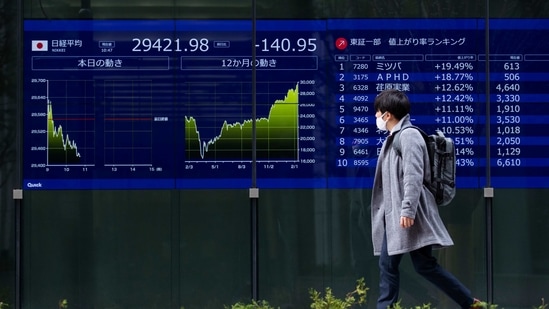
Gross domestic product grew an annualized 12.7% from the prior quarter in the three months through December, the Cabinet Office reported Monday. Economists had forecast a 10.1% expansion.
While the virus is seen pushing the economy back into contraction this quarter, the strong performance at the end of 2020 offers some hope the recovery could return to a relatively solid footing once the country ends a state of emergency that now covers Tokyo and Japan’s other big cities.
Key insights
- Last quarter’s growth was driven by improved trade especially with China and a rise in household spending helped by government subsidies for travel and eating out. Any signs of overall resilience bode well for the country’s recovery prospects after the emergency ends.
- How long the state of emergency lasts is a key factor for the outlook. Falling case numbers offers hope that restrictions might be lifted in some areas before March 7, the planned end-date, but with hospital capacity still stretched that decision has yet to come. Japan’s vaccine drive isn’t set to start until this week, according to local media reports.
- Prime Minister Yoshihide Suga in December unveiled a $700 billion stimulus package that should already have started feeding into the economy. So far, government loan guarantees and furlough subsidies have helped keep unemployment down to 2.9% and cut bankruptcies dramatically.
- The Bank of Japan will be looking closely at the consumer spending and capital investment figures to gauge the strength of domestic demand at the end of 2020. The BOJ in January trimmed its forecast for the economy this fiscal year, but boosted its projections for the following years, as it heads toward a policy review set for March.
“Looking ahead to 1Q 2021, we see GDP falling back into contraction again, hit by a fresh round of containment measures in the second state of emergency called in January. High-frequency data show business activity retreating in January and early February. But the economy could see a bounce in 2Q, assuming the virus is brought under control,” says economist Yuki Masujima.


