E-Paper



Microsoft Raids Google’s DeepMind AI Unit With Promise of Less Bureaucracy
Mustafa Suleyman, who founded DeepMind and sold it to Google, has been telling recruits that Microsoft is now the more startup-like workplace.


 Prefer HTon Google


Microsoft hired one of the founders of Google’s DeepMind to help it catch up in the AI race.
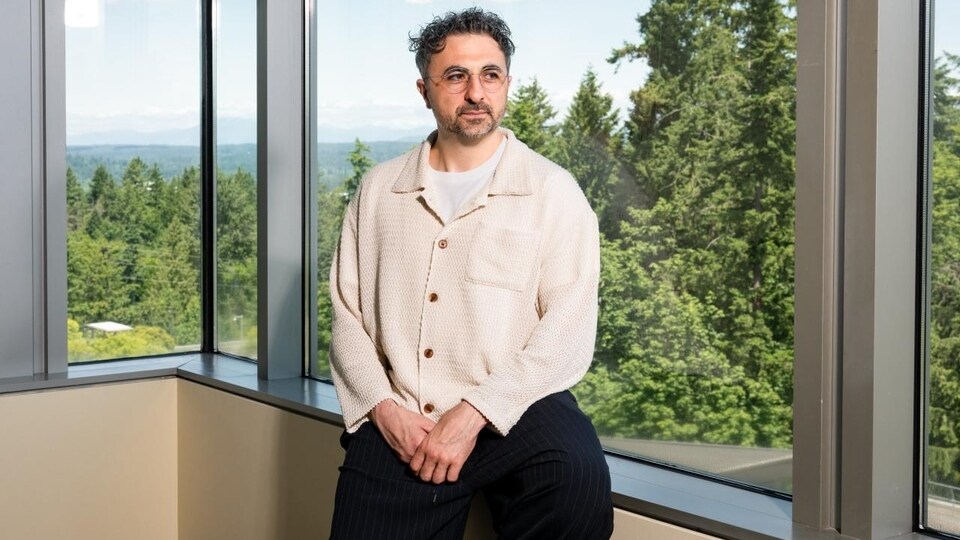
Now, Mustafa Suleyman is raiding his former shop for top talent.
Mirroring a tactic from Meta Platforms Chief Executive Mark Zuckerberg, Suleyman has been personally calling recruits, pitching them on the idea that the fledgling AI division Microsoft created last year is a nimbler, more startup-like workplace than DeepMind has become under Google’s ownership, according to people familiar with the matter.
Suleyman, head of Microsoft AI, has offered heftier pay and the opportunity to help turn Microsoft’s Copilot chatbot into a more formidable competitor to OpenAI’s ChatGPT, the people said.
The company has poached at least two dozen executives and other employees from Google in the last several months, with most having worked at DeepMind, the people said. This has included Adam Sadovsky, a former Google DeepMind distinguished engineer, and Amar Subramanya, formerly vice president of engineering at Google.
Suleyman’s recruitment offensive is the latest salvo in the increasingly frenzied battle for AI talent. Multitrillion-dollar Silicon Valley giants are jousting with startups such as OpenAI and Anthropic over the limited pool of engineers who understand the inner workings of so-called deep learning models. Individual pay packages have run into nine figures, and companies are spending tens of billions more on data centers in the quest to be the first to build a machine that exhibits humanlike intelligence.
Google’s DeepMind workforce has swelled to around 6,000 employees.
Suleyman, who spent about nine years at DeepMind, has considerable leeway to make big-dollar offers to recruit talent. CEO Satya Nadella has given him autonomy to build an AI operation that can compete with top players like OpenAI, which Microsoft also counts as a close partner. Suleyman’s team is based primarily in Mountain View, Calif., some 800 miles from Microsoft’s corporate seat in Redmond, Wash., and has operations in London.
A Microsoft spokesman said that all of its senior leaders “have equal ability to recruit talent and manage their teams in a way that works successfully for their business and their people alike.”
The pay packages Microsoft has offered its newest recruits haven’t been on the scale of those offered by Meta, which has promised some researchers $300 million contracts, people who have received the offers said. But they have been far above the going rate at DeepMind, especially for longer-tenured employees, those people said. According to Levels.fyi, which tracks tech industry compensation, average salary companywide is higher at Google than at Microsoft.
The new Google recruits will primarily work on consumer-facing products such as the Copilot chatbot, Microsoft’s answer to ChatGPT and Gemini. Suleyman is in charge of the consumer version of Copilot; the company also has enterprise versions for its 365 products and GitHub developer platform. Last week, the company announced Copilot would be further integrated into search functions on its Edge browser, allowing the AI tool to browse through open tabs to help compare hotel options, for example.
At Microsoft AI, Suleyman has promised recruiting targets more freedom to do their work within nimbler teams, a startup vibe several described as appealing.
“The culture here is refreshingly low ego yet bursting with ambition,” Subramanya wrote in a LinkedIn post in late July announcing his role at Microsoft.
DeepMind’s workforce has swelled to around 6,000 employees in recent years as what had been a relatively small lab became the core of Google’s AI push. Two of the candidates Microsoft successfully recruited said they were eager to work in a less bureaucratic environment.
Twenty years ago, it was Google that was luring Microsoft workers with the promise of more action and less bureaucracy, said Laszlo Bock, former senior vice president of people operations at Google.
Google has come to resemble the more staid Microsoft of years past, pairing enormous profits with an organization that can be slow-moving, hierarchical and political, Bock said. “It feels much more like a company run by a finance person than an engineer,” he said.
Google said that its attrition rates are below industry average and that it has hired a number employees from Microsoft.
“We are excited that we are able to attract the world’s leading AI talent, including researchers and engineers who come from rival labs,” a spokesperson said.
Earnings reports in recent weeks shown how the AI boom is transforming Microsoft and Google parent Alphabet. Both companies reported surging revenue driven in part by demand for cloud computing services tied to AI. They also previewed plans to increase their outlays on data centers, with Alphabet raising its capital expenditure expectations for the year to $85 billion from $75 billion and Microsoft forecasting more than $30 billion in spending during the current quarter.
Lacking the profit to fuel its own capital and talent needs, OpenAI has been forced to turn to investors once again. The venture firm Thrive Capital is in talks to buy shares in OpenAI at a $500 billion valuation, people familiar with the matter said. Bloomberg News earlier reported the sale. The deal, if completed, would make OpenAI the most richly valued startup in the world, surpassing SpaceX, according to data firm CB Insights. News Corp, owner of The Wall Street Journal, has a content-licensing partnership with OpenAI.
Thrive would buy the stock from current and former employees, allowing them to cash out in what would be the most lucrative so-called secondary sale of all time. Such secondary offerings allow the startup to compete for talent with Google, Meta and Microsoft and their valuable stock option grants.
OpenAI and Microsoft have been locked in negotiations involving the future of the ChatGPT creator. OpenAI has sought to loosen Microsoft’s grip on its AI products and computing resources, while Microsoft is trying to ensure OpenAI won’t be able to limit Microsoft’s access to its future technology.
A deal could be reached in the next few months.
Write to Sebastian Herrera at sebastian.herrera@wsj.com and Katherine Blunt at katherine.blunt@wsj.com