
 E-Paper



RBI Governor sticks to growth forecast amid virus surge
Speaking at the India Economic Conclave, Das said while the growing number of Covid-19 cases is a matter of concern, he expects the situation to be different this time compared to last year.

 Prefer HTon Google


Reserve Bank of India (RBI) governor Shaktikanta Das on Thursday said the country’s economic recovery should continue unabated despite the current surge in coronavirus infections.
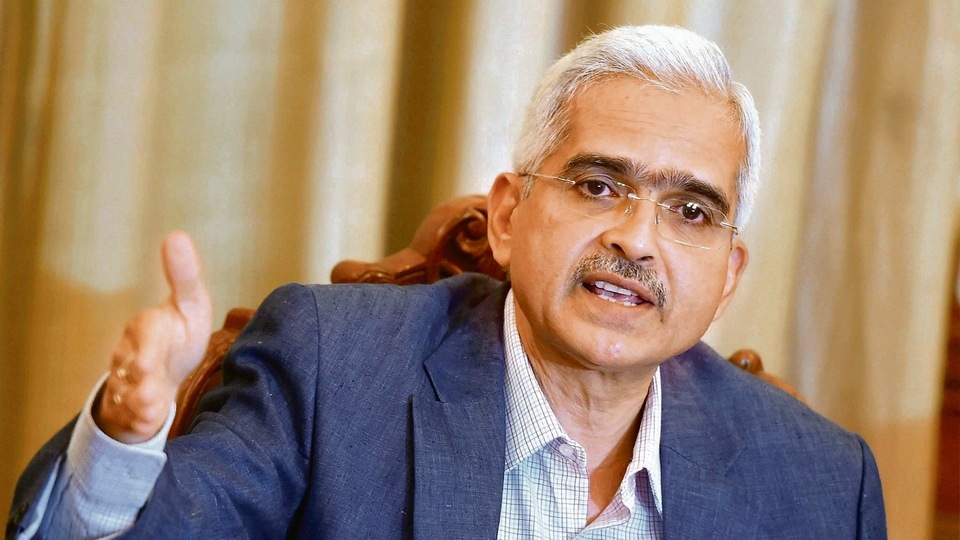
Speaking at the India Economic Conclave, Das said while the growing number of Covid-19 cases is a matter of concern, he expects the situation to be different this time compared to last year.
“We have additional insurances against the Covid-19 pandemic. We have two vaccines that are being rolled out. People are used to Covid protocol. It appeared that they have lowered their guard. But I’m sure people will step up their guard against the spread of the Covid-19 pandemic. At this point in time, one does not foresee a lockdown that we experienced last year,” Das said.
In its last monetary policy review on February 5, the central bank had projected India’s gross domestic product (GDP) to grow 10.5% in the next fiscal. However, since then, economists have pointed to new signs of a slowdown.
A State Bank of India (SBI) research report on Thursday said the business activity index based on high-frequency indicators declined to a one-month low of 101.7 in the week ending March 22 as against 104.6 in the previous week.
The report also confirmed that the rise in daily new cases since February indicates a second wave. Based on trends till March 23, the total number of coronavirus cases in India in the second wave is expected to be around 2.5 million, the report said.
The SBI report also said localized lockdowns or restrictions have not helped check infections, and mass vaccination is the only hope to win the battle against the pandemic.
“Considering the number of days from the current level of daily new cases to the peak level during the first wave, India might reach a peak in the second half of April. The entire duration of the second wave might last up to 100 days counted from February 15,” the report said.
Brokerage Nomura has also said that the second wave is delaying business normalization as infections rise in Maharashtra and other states.
Nomura said on March 22 that its India Business Resumption Index dipped to 95.1 for the week ending March 21 from 95.4 in the previous week as infections rose.
Speaking on the RBI’s move to build strong reserves, governor Das said India’s import cover has improved to more than 18 months as emerging market economies continue to build buffers to tide over any possible impact of the unwinding of the measures taken to combat the pandemic crisis.
That said, he emphasized that the RBI will ensure that the rupee remains stable.
“We will look at the rupee being stable. Certainty and stability of the rupee are good for investors, importers, exporters, students and for all stakeholders. Stability of the Indian rupee is the fundamental principle which we follow at the RBI,” he said.
Last week, finance minister Nirmala Sitharaman said the government will not look to impose a complete ban on cryptocurrencies.
This is in contrast to the RBI’s stated position that there are major concerns about the impact of cryptocurrencies on financial stability.
However, Das made it clear that there are no differences of opinion between the RBI and the government and that a suitable framework will come out soon.
Citing the increased use of digital payments post the pandemic, Das said this rise in digital lending poses complex trade-offs between financial stability, competition and data protection, requiring a new regulatory framework and novel ways of monitoring.


