
 E-Paper



SC puts cheque bounce-IBC issue before larger bench
The larger bench is now expected to settle whether the moratorium extinguishes or merely suspends the penal consequences flowing from cheque dishonour proceedings against insolvent entities.

 Prefer HTon Google


The Supreme Court has sought an authoritative ruling by a larger bench on the interplay between insolvency moratorium provisions and cheque bounce prosecutions, referring to the Chief Justice of India the question whether proceedings under Section 138 of the Negotiable Instruments (NI) Act can continue against business entities undergoing insolvency resolution.
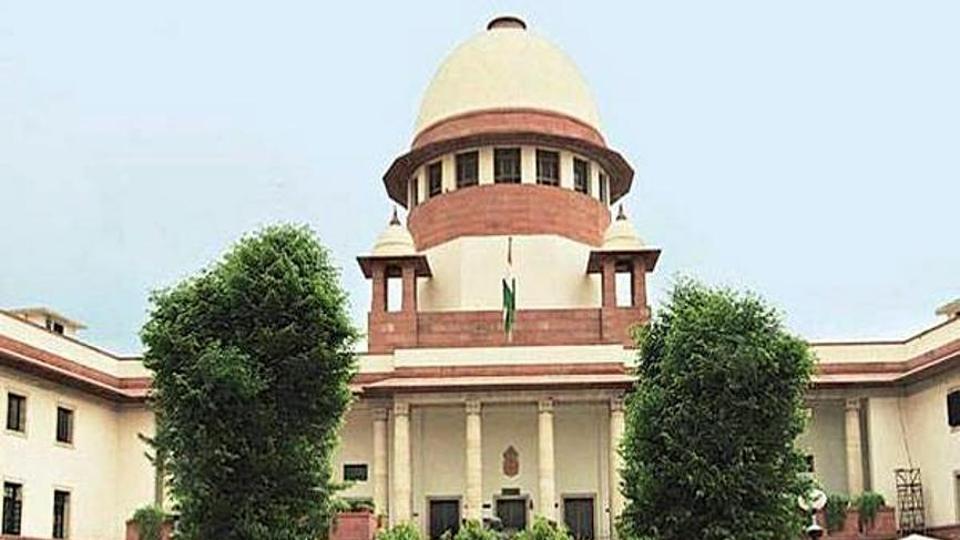
A bench of justices JB Pardiwala and KV Viswanathan held on Wednesday that the issue raises important questions touching the nature of cheque dishonour proceedings and the scope of the moratorium under the Insolvency and Bankruptcy Code (IBC), warranting consideration by a larger bench.
Referring the matter to CJI Surya Kant for constitution of an appropriate three-judge bench, the court framed two pivotal questions for authoritative determination.
The first question is whether proceedings under Section 138 of the NI Act are quasi-criminal with a predominant criminal character despite arising from a civil debt dispute.
The second is whether the moratorium provisions under Part III of the IBC should operate to halt the entirety of proceedings under Section 138 or only the compensatory and recovery-related aspects of such prosecutions.
The bench observed that while cheque dishonour cases originate in civil disputes relating to the repayment of legally enforceable debt, Parliament consciously attached criminal consequences to the dishonour of cheques in order to preserve public confidence in commercial transactions.
“Though Section 138 of the NI Act is based on a civil dispute as regards repayment of debt, yet, it cannot be treated on par with a civil proceeding for recovery of money. The deeming fiction makes it sufficiently clear that the provision is punitive and makes the act of dishonouring a cheque a criminal offence,” noted the bench.
Tracing the legislative history behind the insertion of Sections 138 to 142 into the NI Act through the 1988 amendment, the judgment noted that the objective was “to enhance the acceptability of cheques in settlement of liabilities” by imposing penalties for cheque dishonour.
The court underlined that the offence under Section 138 is not the mere non-payment of debt but the dishonour of the cheque itself. “The legislature made the dishonour of the mode of payment, i.e., dishonour of cheque, an offence, and not the failure to pay the cheque amount,” it added.
The judgment further clarified that the offence is deemed to be committed the moment the cheque is dishonoured and returned unpaid by the bank, although prosecution can proceed only after fulfilment of statutory requirements such as issuance of notice and failure to make payment within 15 days.
According to the bench, these safeguards were introduced to protect bona fide drawers who may face temporary financial difficulties, while still preserving the punitive character of the provision.
The court also described cheque dishonour as a comparatively “minor offence” that primarily affects private parties rather than society at large, pointing out that the law itself permits the criminal consequences to be avoided if the payment is made after notice.
The reference assumes significance because insolvency proceedings under IBC trigger a statutory moratorium on legal actions against debtors, leading to recurring disputes over whether cheque-bounce prosecutions can continue during such periods.
The larger bench is now expected to settle whether the moratorium extinguishes or merely suspends the penal consequences flowing from cheque dishonour proceedings against insolvent entities.



