E-Paper



Sensex, Nifty 50 slump to lowest in nearly a year as oil boils amid Iran war
Sensex and Nifty have now declined about 4.6% since the start of the Iran war, even as surging crude oil prices threatens to weigh on the Indian economy.

 Prefer HTon Google


India's stock market fell to the lowest in nearly a year as a surge in crude oil prices, due to an escalating Iran war in West Asia, sparked concerns on inflation and GDP growth in the world's fourth largest economy.
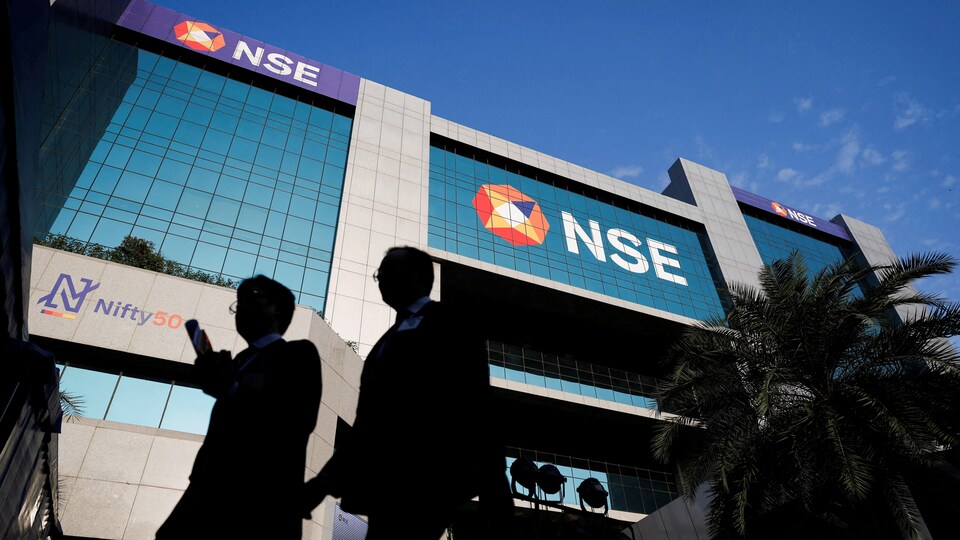
The 30-share S&P BSE Sensex fell 1.71% to an eleven-month low of 77,566.16 points, even as the the wider Nifty 50 lost 1.73% to 24,028.05 — the lowest in 10 months. The India Volatility Index spiked to s twenty-one-month high today. 15 of the 16 major sectors fell, while the broader small-caps and mid-caps lost about 2.2% and 2%, respectively.
Higher crude oil prices—up nearly 30% to their highest since mid-2022—poses a serious challenge for India as the country imports nearly 85% of its energy needs. A higher import bill weighs on the rupee—already at a record low against the US dollar—which then has domino effect on the economy at large.
The Iran war entered its second week on Monday. Tehran has named Mojtaba Khamenei as successor to his father, Ayotollah Ali Khamenei, who was killed on the first day of US and Israel strikes in the country.
“The sustained rise in crude prices is likely to complicate the RBI’s policy outlook by keeping inflation elevated and posing risks to growth,” Vinod Nair, head of research at Geojit Investments Ltd., told Hindustan Times over email.
“Despite this, the current phase may offer opportunities for long-term investors. Selective value buying in pharma and IT helped limit deeper losses and indicated a defensive stance amid a weakening rupee in the short term.”
Crude Dynamics
The price shock comes as an escalating Iran war stokes fears of prolonged supply disruptions through the Strait of Hormuz. Adding to the supply constraints, Iraq and Kuwait have begun curbing oil output, compounding earlier LNG reductions from Qatar.
“This war is different from the Ukraine war as it impacts all major economies in one stretch and quite badly so,” G. Chokkalingam, founder and head of research at Equinomics Research, told Reuters.
“Time is running out for finding a compromise and it's a very difficult situation for markets as there is panic selling on concerns that higher crude prices will pile the pressure on currency, trade deficit and budget deficits...”
Iran war impact on India
For India, the world’s third-largest crude importer, the spike in energy costs presents a severe macroeconomic headwind. The surge threatens to widen the government's fiscal deficit, compress corporate margins through higher input costs, and place renewed depreciation pressure on the local currency.
Even if hostilities ease, economists warn that damaged infrastructure, disrupted logistics, and elevated shipping risks could saddle global businesses and consumers with high fuel prices for months.
The geopolitical premium has already taken a toll on Dalal Street. The conflict dragged both the Nifty 50 and the S&P BSE Sensex down 2.9% last week, marking their worst weekly performance in more than a year. The benchmarks have fallen about 4.6% since the start of the Iran war.
Foreign institutional investors offloaded ₹6,030 crore ($654 million) of local shares on Friday, completely absorbing the ₹6,972 crore in rescue purchases made by domestic funds, according to provisional exchange data.
Stocks In Focus
- Indian Oil, Bharat Petroleum and Hindustan Petroleum fell between 4.4% and 6.2% as surging crude squeezes their marketing margins.
- India's public-sector banks slid 4% on fears that the oil shock would keep interest rates higher, hurting treasury income. Top private lenders HDFC Bank and ICICI Bank dropped 1.9% and 2.7%, respectively.
- Shares of Interglobe Aviation Ltd., which operates India's top airline IndiGo, sank 3.8% on worries that higher fuel costs and a hit to international air traffic would dent earnings.
- Infrastructure major Larsen & Toubro Ltd., which has a significant exposure to the Middle East, lost 2.7%, after a 7.7% fall last week.