
 E-Paper



Stock market ahead of Lok Sabha elections: Why foreign investors sold more and more Indian shares amid low voter turnout
Foreign investors started selling Indian shares in concerns over reduced voter turnout.

 Prefer HTon Google


Foreign investors are the most pessimistic in over a decade on Indian stocks amid speculation over Prime Minister Narendra Modi’s party winning fewer seats in the ongoing national elections than previously estimated, due to a dip in voter turnout, Bloomberg reported.
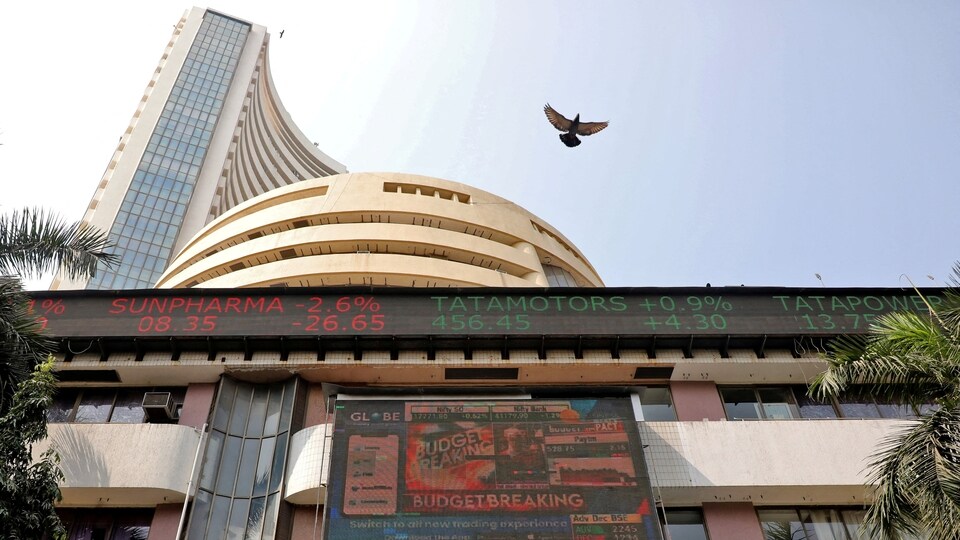
Foreign investors dumped 1 billion USD worth of Indian shares in April, and another 4.2 billion in May, pushing the share of Indian stocks held by foreigners to just 18%, its lowest in a dozen years, according to a report by The Economist.
Also the net short positions on Indian stocks, or the number of bets on falling share prices, surged to 213,224 contracts, data compiled by Bloomberg showed. The gap is the widest since data going back to 2012.
Also Read | How to maximise the advantage of India’s young population
The MSCI China Index surpassed the MSCI India in year-to-date performance earlier this month. Yet, the gauge for China stocks trades at nearly half the valuation of its India counterpart on their respective 12-month forward earnings estimate, according to Bloomberg.
Given China and India are the biggest markets in the EM Universe, “selloffs in India lead to money going to China and vice versa,” Arjun Jayaraman, a head of quantitative research at Causeway Capital, told Bloomberg.
Also Read | Aspire to create conditions where everyone sees value in investing in India: Modi
The Economist reported that this trend is also reflective of the way India treats its foreign investments. Taxes could be avoided or minimised if the investing firm was registered in a country with which India has a tax treaty, such as Mauritius or Singapore.
A new regulator, the International Financial Services Centres Authority, is intended to consolidate the regulatory chaos into a single Singapore-style mechanism for efficient control. While this is a big step many approvals must still go through the central bank and securities authority, with disputes adjudicated by clogged courts, the report read.


