
 E-Paper



This right-wing stronghold in Brazil is getting pummeled by Trump’s tariffs
U.S. levies on machinery have undermined support for conservative candidates in the country’s presidential race.


 Prefer HTon Google


PIRACICABA, Brazil—President Trump is pressuring Brazil ahead of October’s presidential election, seeking to pull Latin America’s last major left-led nation back under U.S. influence.
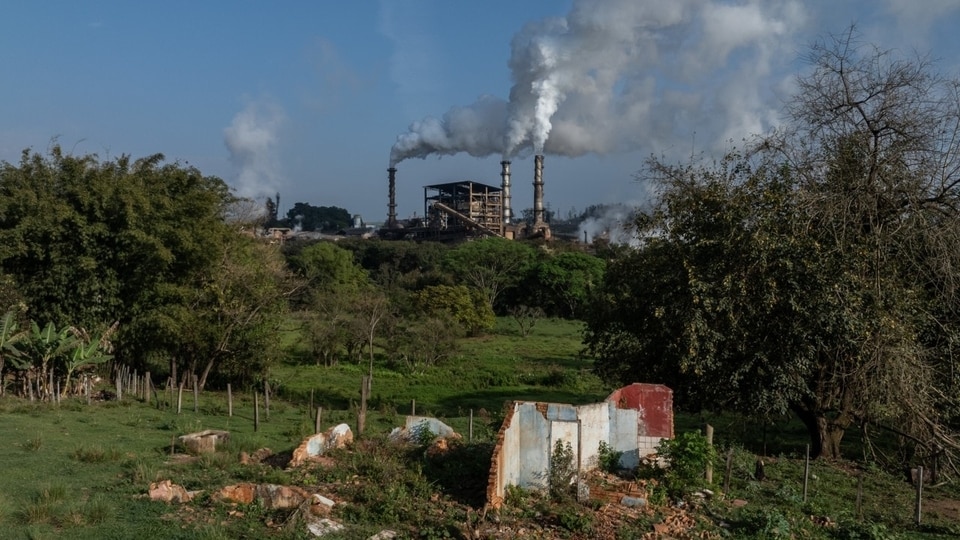
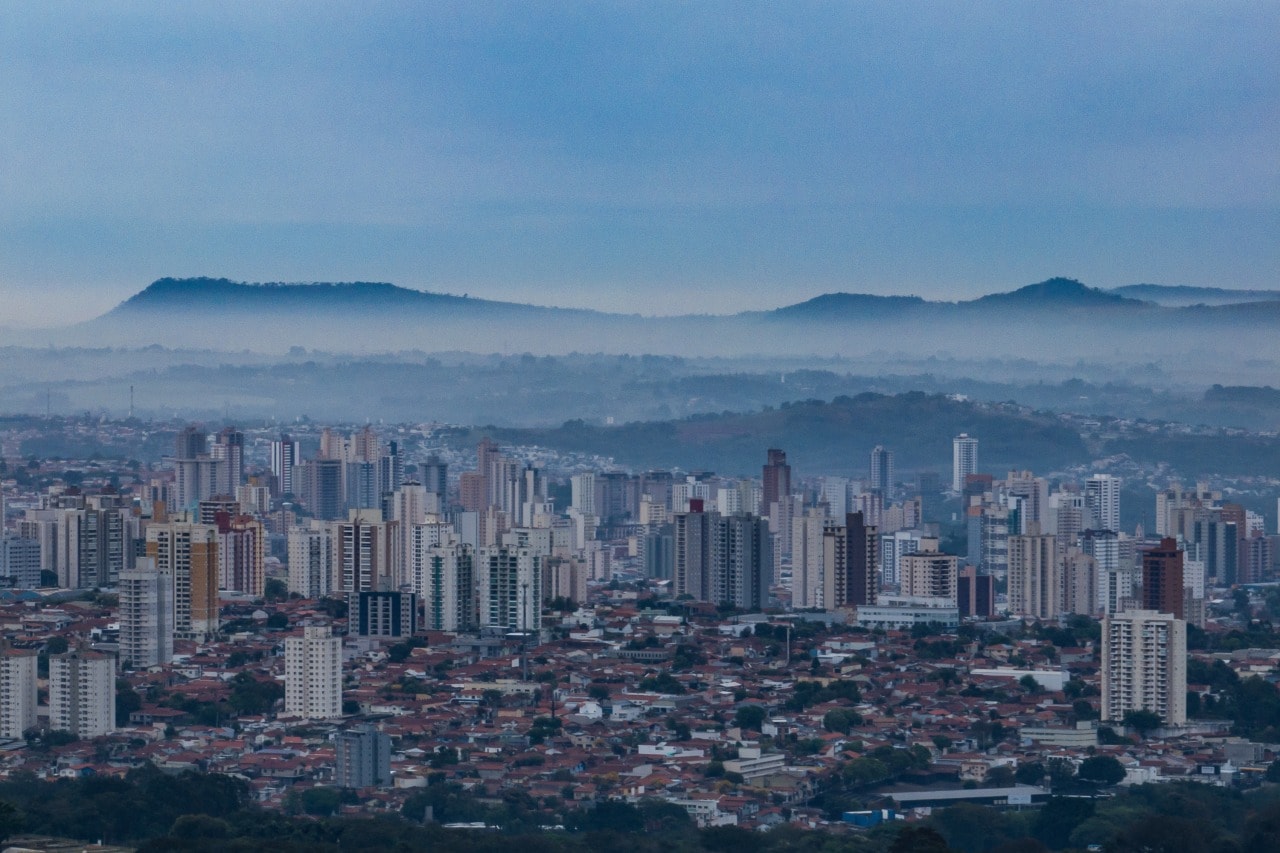
But in Brazil’s conservative heartland, that strategy is backfiring. Piracicaba, a city of 440,000 that hosts one of the country’s key heavy-machine making sectors, is reeling from Trump’s tariffs—turning voters against the right and opening the door to Chinese investment.
Trump exempted many of Brazil’s biggest commodity exports from his latest tariffs, including coffee and orange juice—but not the machinery on which Piracicaba depends. It is the Brazilian city hardest hit by the new levies, according to Simespi, a local industry group, which estimates the tariffs have affected 40 to 50 local companies that employ around 10,000 people.
Once known primarily for the sugar-cane fields that surround it, Piracicaba began making equipment for farms and sugar mills before developing into a heavy-machinery hub producing everything from harvesters and crop sprayers to construction equipment and hydraulic systems. It is home to one of the largest factories outside the U.S. of heavy-equipment giant Caterpillar and a dense network of machinery suppliers.
Of Piracicaba’s nearly $1.3 billion in exports in the first half of this year, 51% went to the U.S.—and 80% of those were machinery, said Mayor Helinho Zanatta. “I can’t remember an external shock this severe in Piracicaba’s history,” he said.
The economic pain is creating a political problem for the very movement Trump supports.
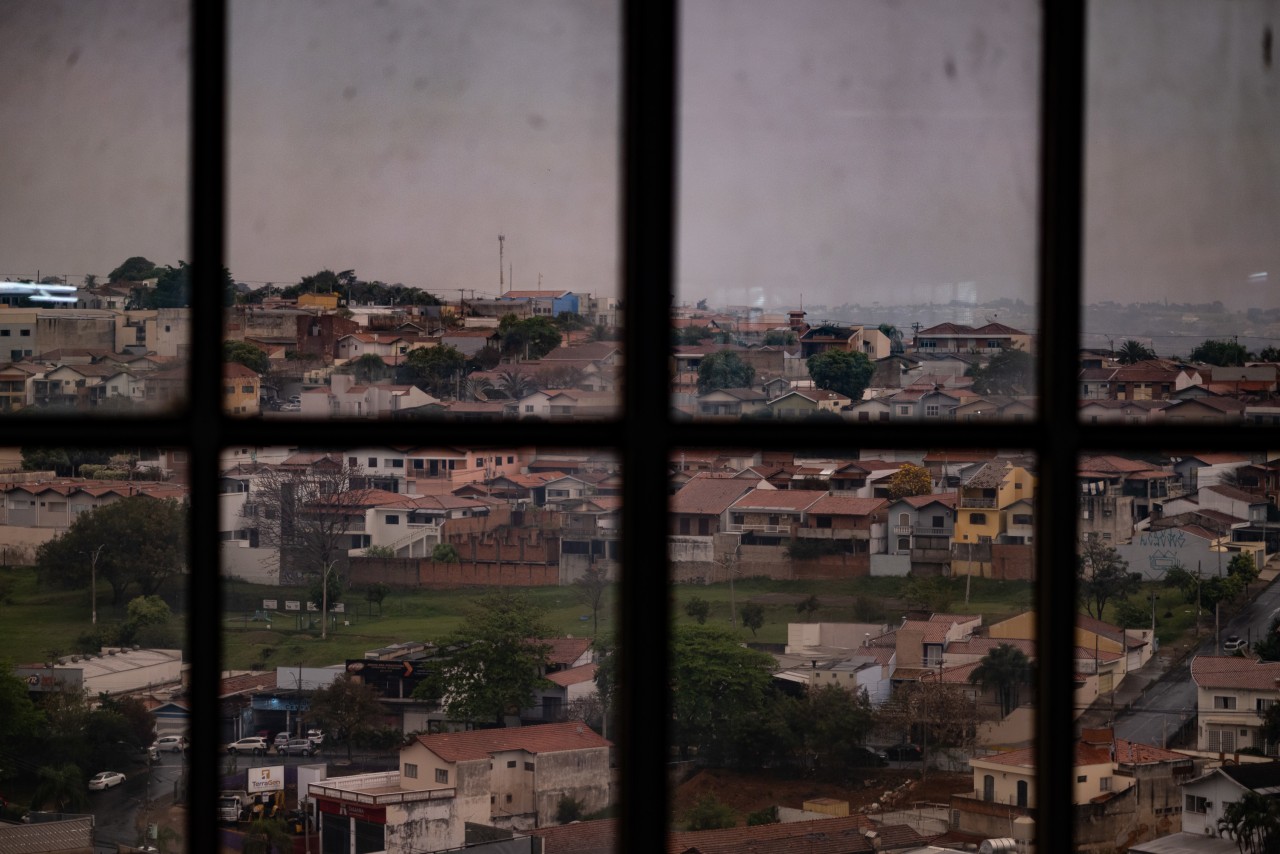

Piracicaba should be an easy win for Brazil’s political right. The city, whose indigenous name—“the place where the fish stops”—comes from its river rapids, gave Brazil’s right-wing former president, Jair Bolsonaro, 79% of the vote in 2018.
With Bolsonaro barred from running again and under house arrest for plotting a coup, his son Flávio was counting on strongholds like Piracicaba in his campaign to unseat President Luiz Inácio Lula da Silva.
In July 2025, Trump initially targeted Brazil with 50% tariffs on its exports to the U.S.—the highest he had leveled against any major trading partner—in retaliation for what he described as the persecution of Jair Bolsonaro, his friend and ally. The move followed an intense lobbying campaign in the U.S. by another Bolsonaro son, Eduardo.
After the U.S. Supreme Court struck down Trump’s broader tariff regime earlier this year, his administration picked Brazil as the first target in a new wave of tariffs under Section 301 of the Trade Act of 1974. The move came shortly after Flávio Bolsonaro visited Washington and met senior Trump officials.
Many Brazilians came to a conclusion Trump likely didn’t intend: The Bolsonaros were to blame. A July poll by Quaest found 51% sided with da Silva’s argument that Flávio had supported the tariffs to hurt his government, compared with 30% who believed Flávio’s account that he had tried to persuade Trump not to impose them. The tariffs made 42% more inclined to vote for da Silva, versus 27% for Flávio, Quaest determined.
In Piracicaba, right-wing city councilman Fabrício Polezi says he remembers a sinking feeling when he read news of Trump’s latest tariffs. He fired off a message to a WhatsApp group of fellow conservative politicians: “Man, we’re screwed.”
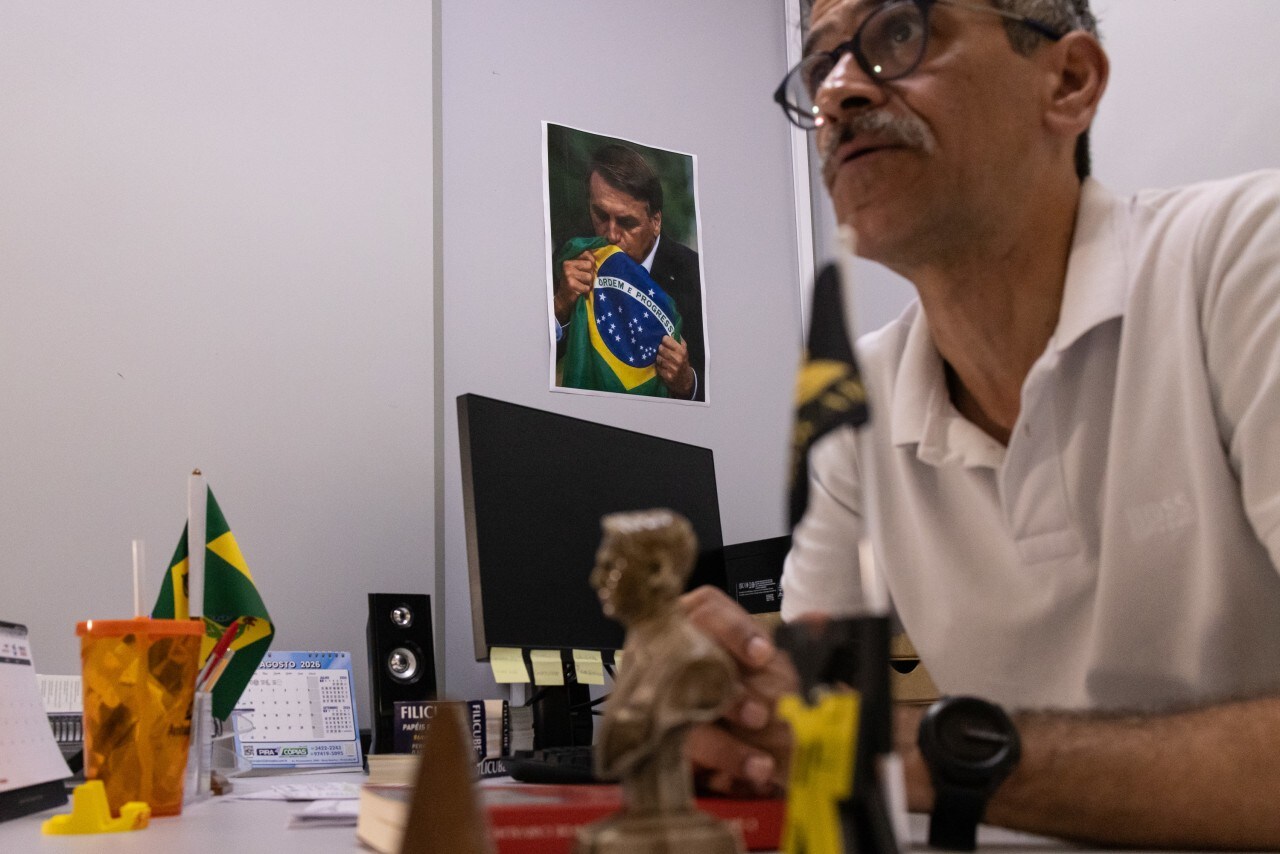
“We knew that this would create a monstrous political problem that the left would use in its favor,” said Polezi.
Many voters in Piracicaba’s main square say they have tuned out the election, exhausted by years of political warfare. Even Bolsonaro supporters struggle to remember Flávio’s name, calling him simply “Bolsonaro’s son.” Meanwhile, some locals have taken to calling Trump “Chucky”—which sounds somewhat like the president’s name in a Brazilian accent—after the murderous horror-movie doll.
The mayor, Zanatta, said it is only a matter of time before everyone in town feels the pain. Machinery is typically ordered in advance, meaning Piracicaba’s factories are still filling contracts signed before the tariffs took effect. As those orders are exhausted, new business is expected to slow.
Job losses would put a strain on city finances, Zanatta said, with newly unemployed workers likely to rely more on public services just as falling sales and tax revenues leave the city with less money to provide them.
Few have missed the irony that one of the biggest casualties would be a pillar of U.S. industry: Caterpillar.
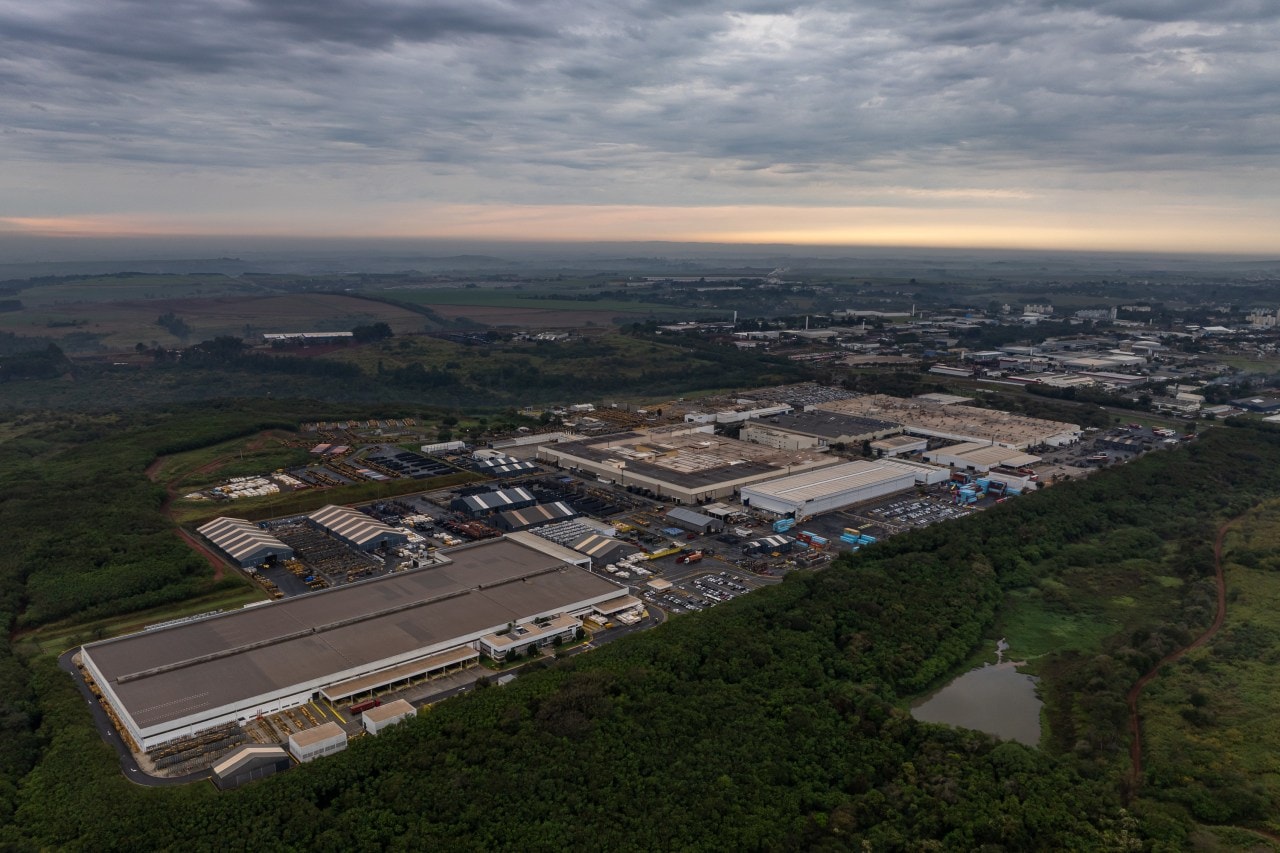
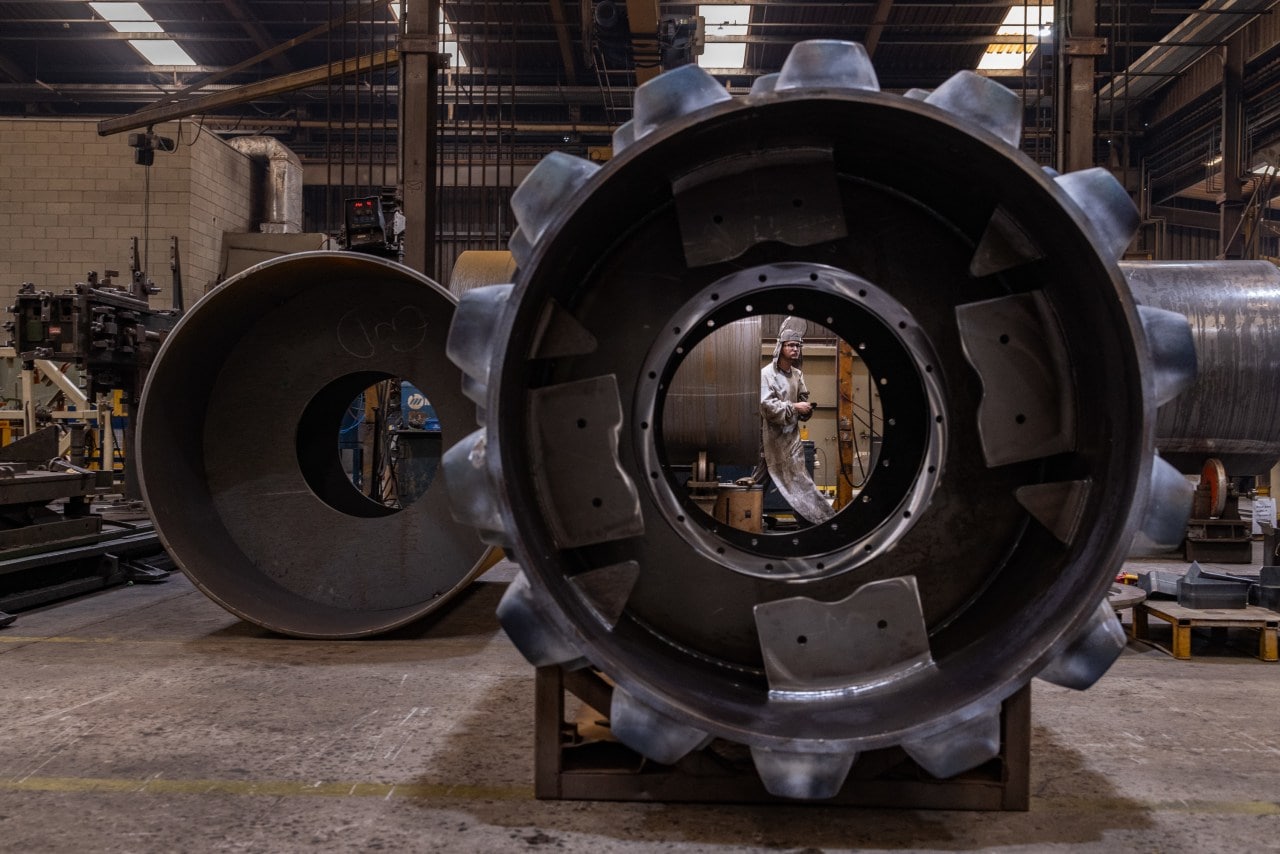
Renan Paes, a right-wing local politician close to Eduardo Bolsonaro, said he planned to raise the likely profound impact on Piracicaba, including the major Caterpillar operation, directly with Bolsonaro during an upcoming trip to Texas, where Eduardo now lives.
Some officials here say they hope Caterpillar is quietly lobbying Washington for relief. Others fear it could eventually leave Brazil—something Paes said would be akin to dropping a “bomb on the city.”
Caterpillar, which says on its website that the Piracicaba operation makes various loaders, graders, excavators, compactors and other equipment, didn’t respond to requests for comment.
In the meantime, Piracicaba is doing what other places squeezed by Washington are doing: looking to China. Trump’s tariffs have accelerated efforts in Brazil to diversify trade, creating an opening for Beijing.
The shift is already visible in Piracicaba. The city is in in talks with five large Chinese companies about setting up operations in the city, according to people close to the negotiations, with interest intensifying since the first round of U.S. tariffs. “Brazil needs to seize the opportunity,” Zanatta said of the growing rivalry between Washington and Beijing. “Otherwise, once again, it will end up gaining from neither side.”
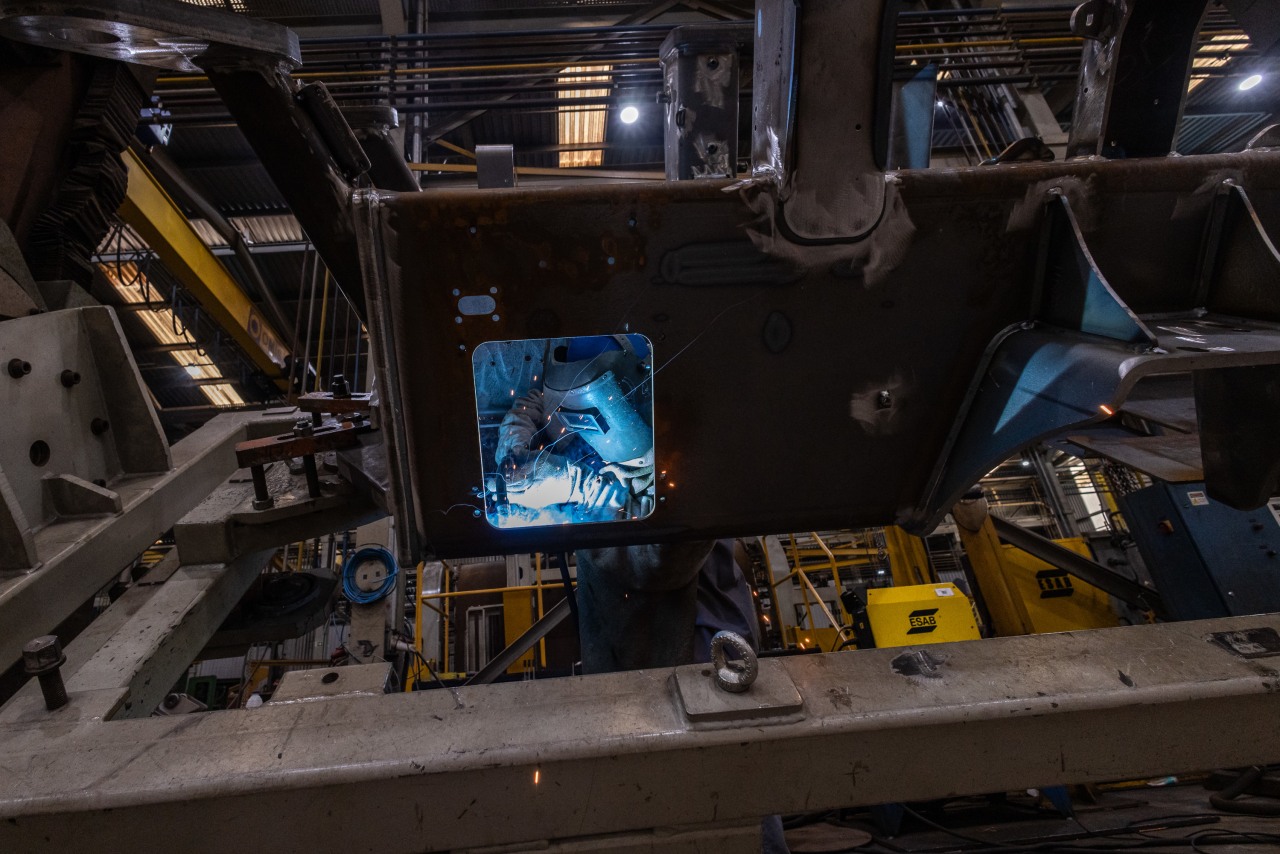
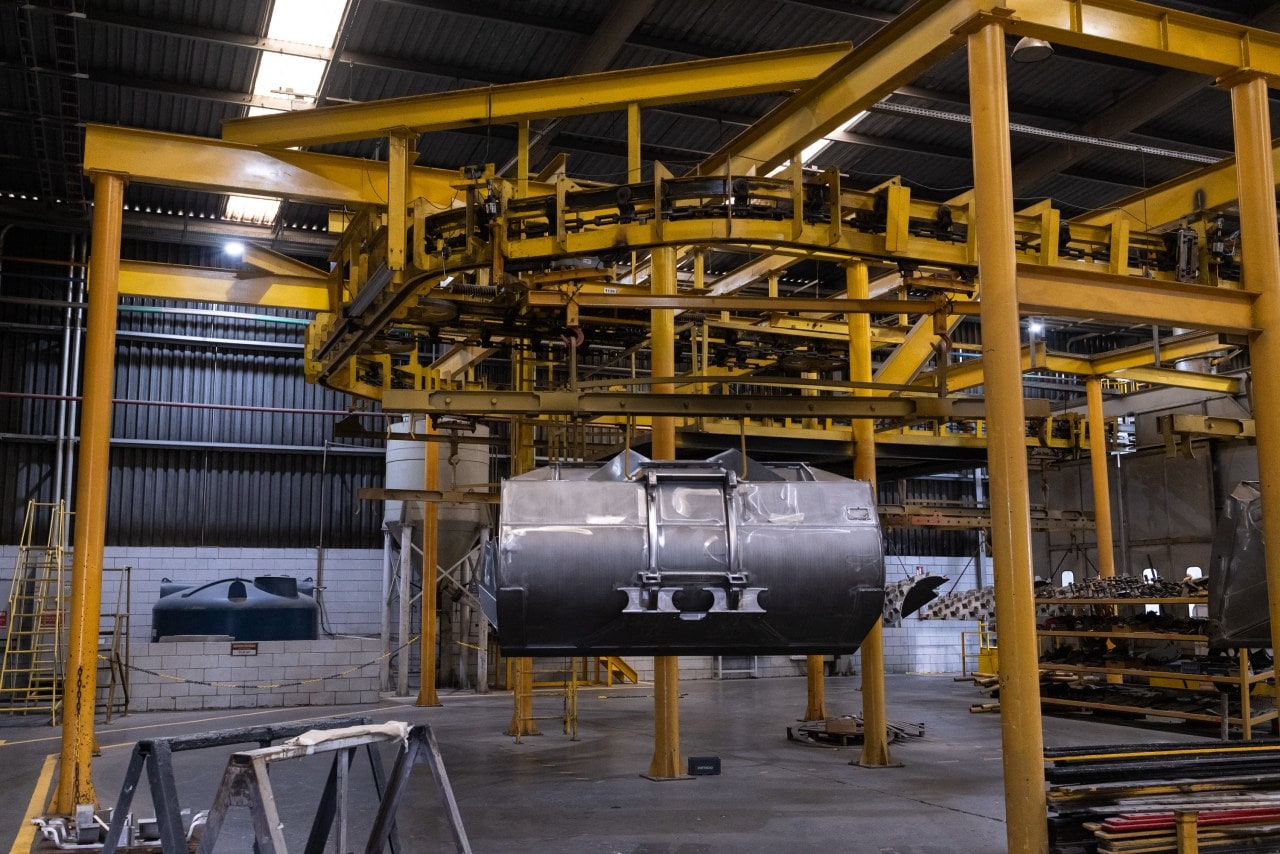
The damage to U.S. trade could deepen if Brazil retaliates by imposing additional tariffs on American imports. Such tariffs would make U.S.-made components such as engines and transmissions more expensive, prompting Brazilian manufacturers to “look for other suppliers that are more competitive,” said Paulo Estevam Camargo, president of industry group Simespi.
But finding new buyers won’t be easy. Piracicaba spent decades tailoring its machinery industry to U.S. buyers; unlike agricultural commodities, machines built to American specifications can’t simply be redirected elsewhere. And while Chinese investment could bring new money into Piracicaba, its machinery makers increasingly face Chinese companies as competitors rather than customers.
China supplied 32.5% of Brazil’s machinery imports in 2025, nearly double its 16.6%-share a decade earlier, according to Brazilian machinery-industry association Abimaq.
Laerte Bandeira, owner of Piracicaba-based machinery dealer Tratorex and a former Caterpillar salesman, said equipment makers have been cutting prices since Trump’s tariffs hit—the sharpest decline he has seen in 50 years in the business.
Trump has done the right no favors, Bandeira says, though he also blames Brazil’s politicians for disrupting business. “One idiot on one side does one thing, the other side does another,” he said. “And both end up helping screw Brazil.”
Write to Samantha Pearson at samantha.pearson@wsj.com


