E-Paper



I am planning to upgrade from my Yamaha R15. Is the Kawasaki Ninja 300 a good option?
Thinking of upgrading from the Yamaha R15 to the Kawasaki Ninja 300? Here is a clear breakdown to help you decide if it is the right next step for you.

 Prefer HTon Google


Moving up from a Yamaha R15 is a big moment for most riders. It usually means you want more power, a stronger road presence, and a motorcycle that feels more capable beyond city limits. The Kawasaki Ninja 300 often comes up as a logical next step, promising a proper sportbike experience without jumping straight into intimidating territory. But is it truly the right upgrade for your riding needs, budget, and expectations? Before making the switch from the Yamaha R15 to the Kawasaki Ninja 300, these are the questions worth asking yourself.
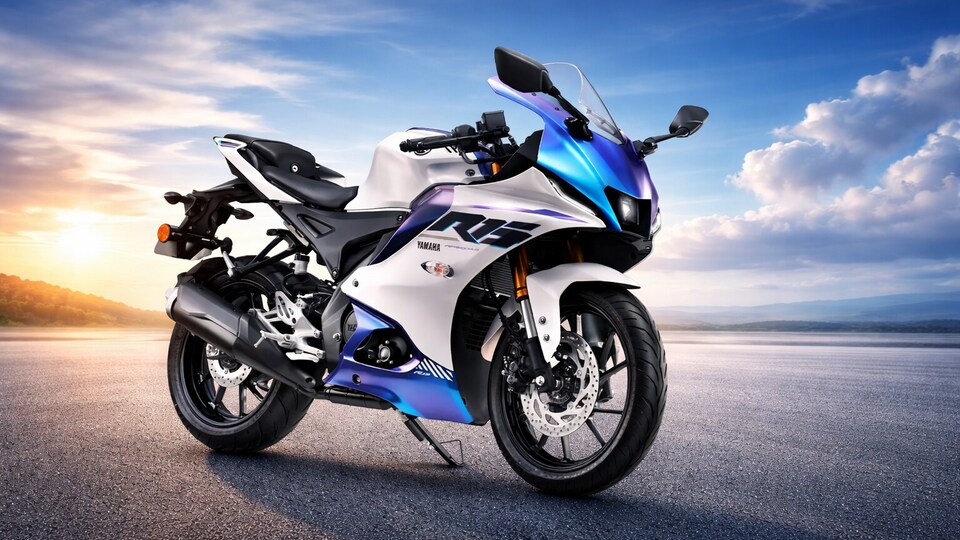
Are you looking for a clear jump in performance?
If you feel the R15 has started to feel limited, especially on highways, the Kawasaki Ninja 300 offers a noticeable step up. Its twin-cylinder engine delivers smoother power, stronger acceleration, and a more relaxed cruising experience compared to the R15. The Ninja 300 puts out 39 Ps and 26 Nm as compared to the R15's 18 Ps and 14 Nm.
Do you spend a lot of time riding on highways?
The Ninja 300 feels far more comfortable at higher speeds because even at triple-digit speeds, it has some rev range left that can be used to overtake. It should stay stable, cruise effortlessly, and not feel stressed on long highway runs. If weekend rides or touring are part of your plans, this upgrade makes sense.
(Also read: Should I buy the Triumph Speed 400 or the Harley-Davidson X440 T?)
How important is everyday usability for you?
While the Ninja 300 is manageable in the city, it is heavier and wider than the R15. In slow traffic, you will need to put in more effort compared to the lightweight and agile Yamaha. If daily commuting is your primary use, this is worth considering. The Ninja 300 is 40-odd kg heavier than the R15.

Are you prepared for higher running costs?
Moving from a 155 cc motorcycle to a 300 cc twin cylinder means higher fuel consumption, service costs, and insurance premiums. If you are comfortable spending more to enjoy better performance, the Ninja 300 fits the bill.
Do you want a sportbike that feels more premium and substantial?
The Ninja 300 feels like a proper big bike upgrade. From road presence to engine refinement, it delivers a more mature and premium experience compared to the R15, which still feels like an entry-level sportbike.
Would you consider newer alternatives before deciding?
While the Ninja 300 is a solid upgrade, it is also worth asking yourself if you want a more modern motorcycle with updated features or a higher capacity engine. Depending on your budget and expectations, exploring other options could help you make a more informed choice.
So, should you upgrade?
If you want a meaningful performance boost, better highway comfort, and a more grown-up sportbike experience, upgrading from the Yamaha R15 to the Kawasaki Ninja 300 makes sense. If city riding, fuel efficiency, and lower ownership costs matter more, you may want to think it through before making the switch.