
 E-Paper



I test rode the Simple One Gen 2. Here are my honest observations
I spent some time on the Simple One Gen 2, and it feels like a scooter that’s been properly thought through this time, though a few rough edges remain.


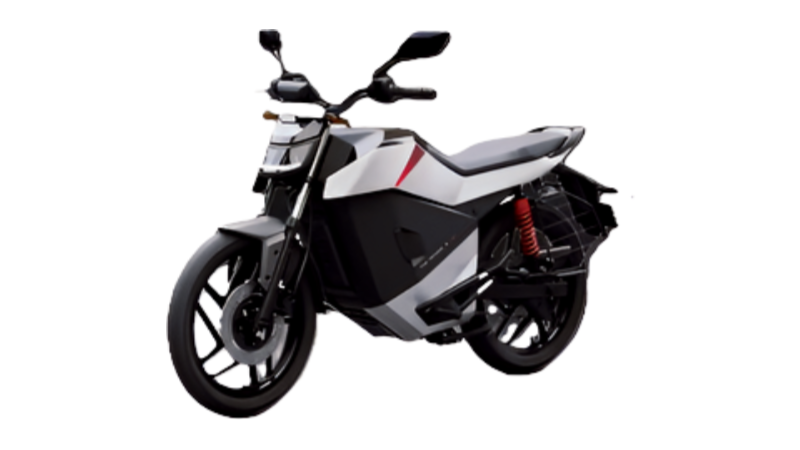

I didn’t go into the Simple One Gen 2 ride expecting to be wowed. Electric scooters today are packed with numbers, modes and promises, but what really matters is how they feel once you’re actually riding them. After spending a few hours with the scooter, I came away with a fairly clear picture of what Simple is trying to do with this update.

Looks familiar
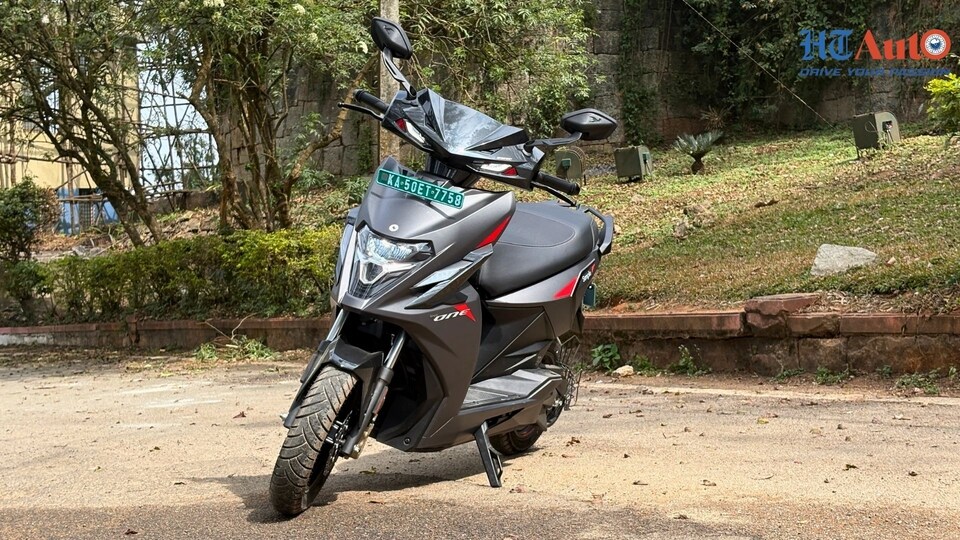
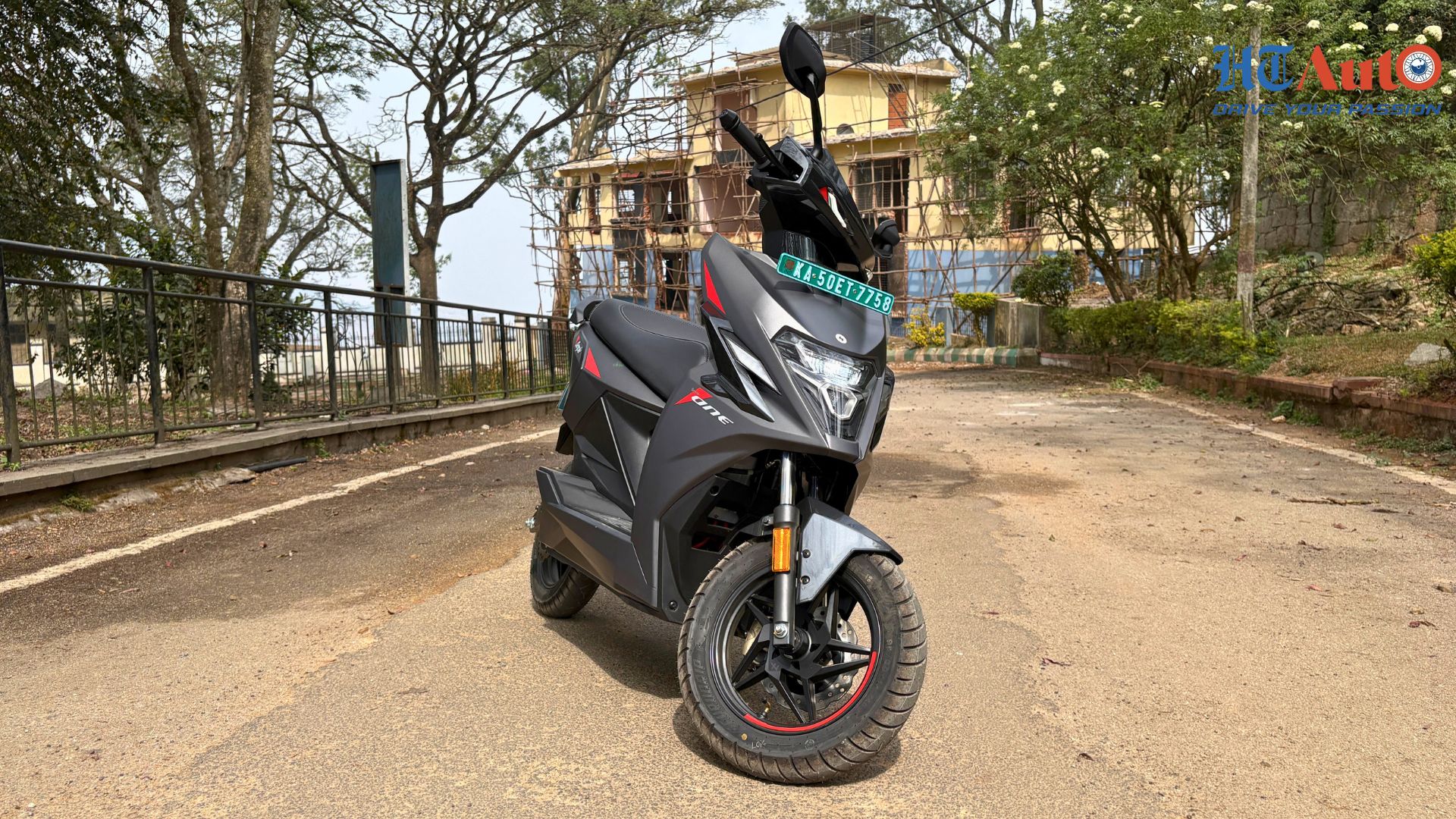
Visually, the Gen 2 doesn’t announce itself loudly. If you’ve seen the earlier Simple One, this will look familiar. The scooter looks clean and balanced, and in Brazen Black, it comes across as mature rather than flashy. I liked that, it doesn’t feel like it’s trying too hard to stand out.
Check similar bikes
Find more bikes
Simple Energy One Gen 2
₹ 1.7 - 1.78 Lakhs
EMI starting at just
₹2,400/month
TVS iQube
₹ 1.11 - 1.62 Lakhs
EMI starting at just
₹1,600/month

Ather Energy 450S
₹ 84,341 - 1.48 Lakhs
EMI starting at just
₹1,200/month

Ampere Nexus
₹ 1.2 - 1.3 Lakhs
EMI starting at just
₹1,700/month
Suzuki e Access
₹ 1.88 Lakhs
EMI starting at just
₹2,600/month
The riding position felt natural straight away. The seat height is slightly lower now, and that made a difference for me in traffic. Putting a foot down felt easier, especially at slow speeds and junctions.
Controls I mostly liked, with a few misses
As soon as I started riding, I noticed that the switches felt better-made than before. Most buttons are easy to reach and work with a light press. But I did find myself fumbling for the horn and cruise control early on. They’re usable, but not instinctive.
The toggle used to scroll through regen and riding modes took the most getting used to. It works, but I had to slow down and think before using it. I would’ve preferred something simpler. One area where Simple has clearly listened to feedback is the mirrors. They’re much better now. Visibility is clear, and I didn’t feel the need to constantly adjust them.
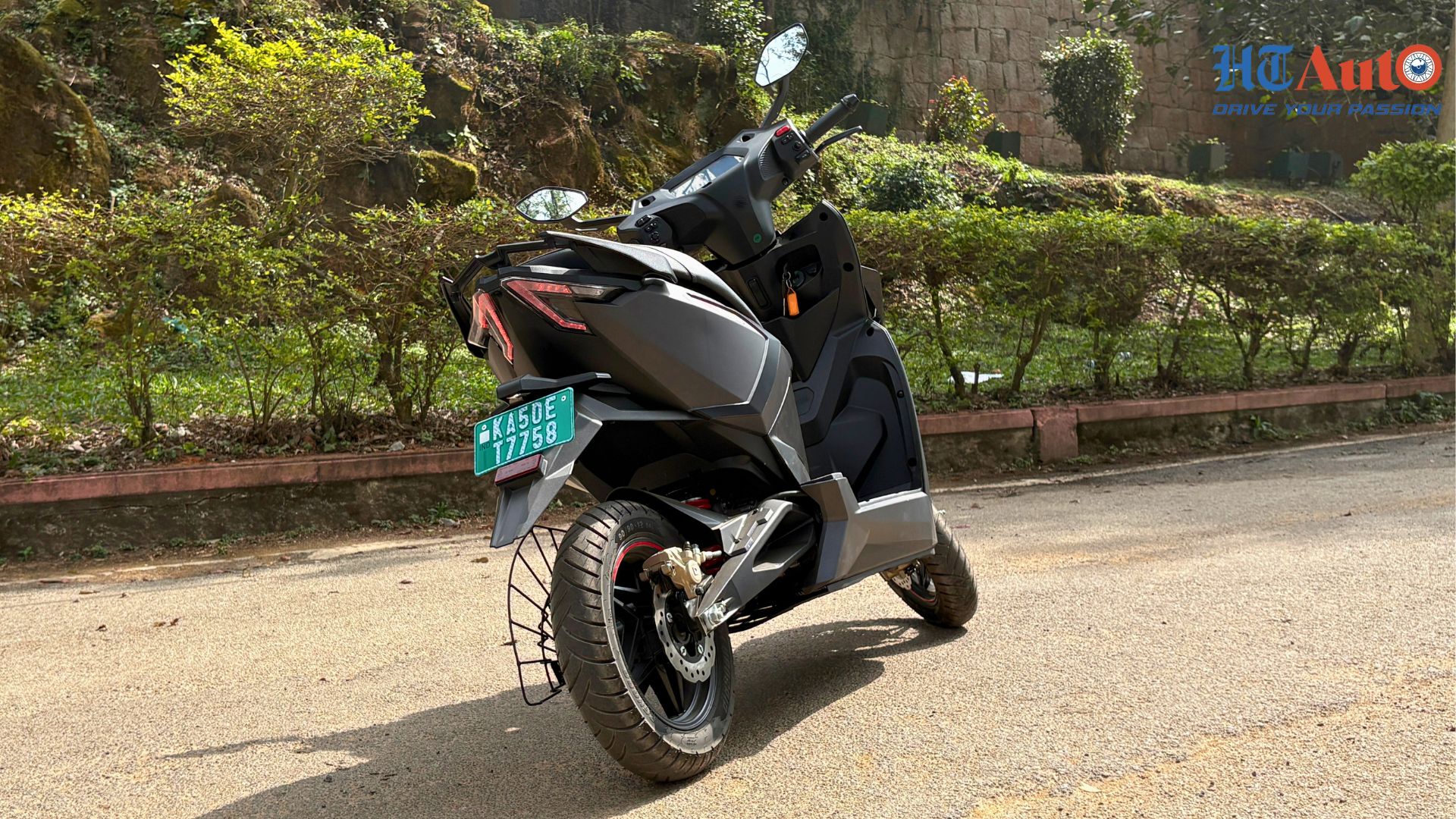
What’s new and genuinely useful is the added cubby storage up front, which now houses the charging port. The removal of the portable battery has also freed up under-seat space, and the larger 35-litre storage area is genuinely practical.
The touchscreen itself is smooth and responsive. Menus are easy to understand, and I didn’t feel lost at any point. My only real issue was brightness. Even during a cloudy morning ride, it felt dimmer than I expected. It’s readable, but it could definitely be brighter.
Where the scooter really improves
Once I picked up speed, the changes under the skin became obvious. The scooter feels more planted than before. It tracks straight, feels composed in corners, and doesn’t feel nervous when you change direction. It’s not aggressive in a sporty way, but it feels confident.
The suspension stood out to me the most. Broken patches of road that would have felt harsh on the earlier scooter are handled much better now. The ride feels calmer and more comfortable, especially over potholes and uneven surfaces. At the same time, it doesn’t feel loose or vague, which I appreciated.
You can feel the front end go a bit light over rumble strips or sharp road joints, and there’s a brief shake through the handlebar, but it settles quickly and never feels alarming.
Specification | Simple ONE 5 kWh | Simple ONE 4.5 kWh | Simple ONE 3.7 kWh / OneS |
|---|---|---|---|
| Price | ₹1,77,999 | ₹1,69,999 | ₹1,49,999 |
| Top Speed | 115 km/h | 90 km/h | 90 km/h |
| Peak Torque | 72 Nm | 52 Nm | 52 Nm |
| 0–40 km/h Acceleration | 2.55 sec | 3.3 sec | 3 sec |
| Peak Power | 8.8 kW | 6.4 kW | 6.4 kW |
| Continuous Power | 4.5 kW | 3.5 kW | 3.5 kW |
| Motor Type | PMSM | PMSM | PMSM |
| Motor Ingress Protection | IP67 | IP67 | IP67 |
| Advanced Regeneration | Yes (L1–L4) | Yes (L1–L4) | No (Only L1) |
| Riding Modes | Eco X, Eco, Ride, Air, Sonic X | Eco X, Eco, Ride, Air | Eco X, Eco, Ride, Air |
| IDC Range | 265 km | 236 km | 190 km |
| Battery Type | Li-ion | Li-ion | Li-ion |
| Battery Setup | Single battery | Single battery | Single battery |
| Battery Capacity | 5.0 kWh | 4.5 kWh | 3.7 kWh |
Performance that suits everyday riding
I rode the 5 kWh version, and performance felt more than adequate for city use. The Eco modes are clearly meant for saving energy, but they don’t feel painfully slow. Even with a pillion, the scooter moves off cleanly and climbs slopes without drama.
Ride and Air modes felt like the sweet spot for daily use. Throttle response is sharper, and the scooter feels more alert. Sonic and Sonic X are where things get fun. Acceleration is strong, and the scooter feels quick enough to surprise you if you’re not ready for it.
Range, braking and daily usability
During my ride, the range indicator adjusted sensibly based on how I was riding. It didn’t lock itself into unrealistic numbers, and that gave me more confidence in what I was seeing.
Brakes do the job, but they aren’t the scooter’s strong point. Stopping power is fine, but the initial feel at the lever is dull. You get used to it, but better feedback would improve confidence.
I did enjoy using cruise control more than I expected. It’s simple and works well on open stretches. Regen braking is adjustable, and I found level two to be the most natural for daily riding.
So, who is this for?
After riding the Simple One Gen 2, it feels like a scooter that has grown up. It’s calmer, more comfortable and more usable than before. It doesn’t try to impress with noise or drama. Instead, it focuses on making everyday riding easier, and that’s what stood out to me the most.


