E-Paper



Nearly 4 lakh vehicles scrapped till Dec 2025; 1.65 lakh were government-owned
Road transport minister Nitin Gadkari says 3.94 lakh vehicles have been scrapped till December 2025, calling it a major boost to the circular economy.

 Prefer HTon Google


Nitin Gadkari on Thursday said that close to four lakh vehicles have been scrapped under India’s vehicle scrappage policy till December 2025, with the road transport and highways minister dubbing it as a key step towards promoting a circular economy.
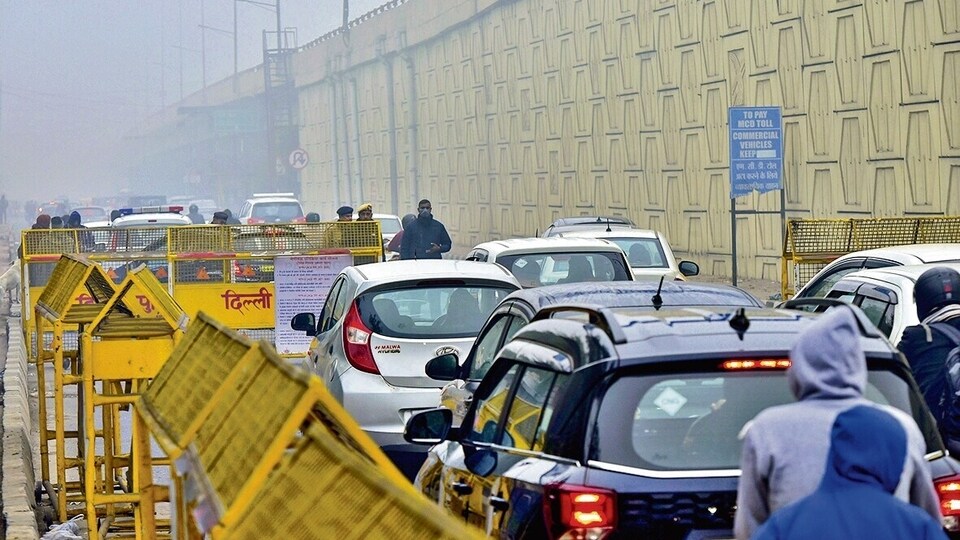
Speaking on the policy’s progress so far, Gadkari stated approximately 3.94 lakh vehicles have been scrapped so far, of which nearly 1.65 lakh vehicles were owned by the government and 2.39 lakh were private vehicles.
Gadkari said the programme has already attracted private sector investments worth 27 billion rupees. According to the minister, India’s imported scrap material amounts to 60 lakh tonnes, from which 3.76 lakh tonnes of scrap steel have been recovered so far, making for a 6 per cent recovery. He adds that vehicle scrappage is enabling the recovery of critical materials such as steel, lead, aluminium, platinum and palladium, which are otherwise largely imported. Gadkari said this will aid India in reducing imports for these resources.
The minister expects the policy to generate significant economic and environmental benefits, going as far as to claim that it will generate ₹40,000 crore worth of GST revenue alongside 70 lakh additional jobs across the value chain. Gadkari says that the country’s reutilisation of raw materials has hit 33 per cent, which is estimated to cut carbon dioxide emissions by 6,353 kilotonnes. This, he adds, is equivalent to planting approximately 26 crore trees.
Touting the policy as a ‘waste to wealth’ initiative, Gadkari said that the scrappage of end-of-life vehicles will strengthen India’s circular economy by routing waste materials back into productive use.