
 E-Paper



Estate office targets one lane by'deadline', rest get more time
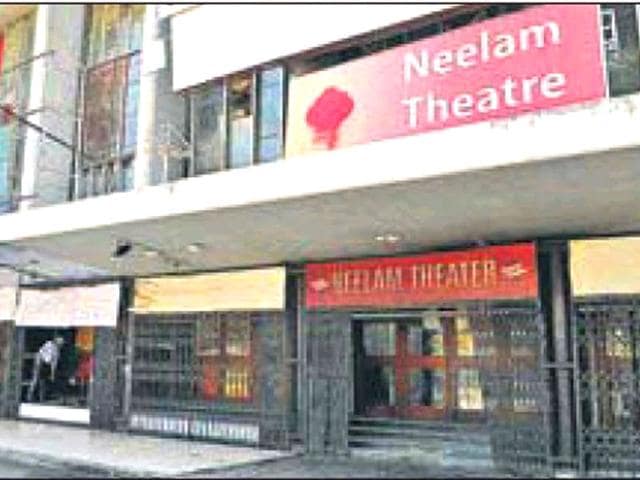
With barely a week to go for the April 30 'deadline' set by the UT adviser for revamp of Sector 17, the estate office finally started an awareness drive from the lane of showrooms on both sides of Neelam Theatre on Friday. The target is to get this lane to fix the irregularities in its advertisement boards by the deadline, while for the rest of the area the traders have verbally been given more time of at least till May 30.


With barely a week to go for the April 30 'deadline' set by the UT adviser for revamp of Sector 17, the estate office finally started an awareness drive from the lane of showrooms on both sides of Neelam Theatre on Friday. The target is to get this lane to fix the irregularities in its advertisement boards by the deadline, while for the rest of the area the traders have verbally been given more time of at least till May 30.
To get things moving, a team has been formed by the estate officer under sub-divisional magistrate (central) Prince Dhawan, with sub-divisional officers (SDOs) and junior engineers (JEs) from the administration and the municipal corporation, besides the police post in-charge and station house officer of Sector 17.
Led by SDO (buildings) Dharminder Bassi, an inspection team on Friday evening pointed out irregularities in the boards and shared the drawings and other details of permitted sizes of boards with the shopkeepers and building owners in the showrooms of the Indian Coffee House row.
Only few boards were completely non-permitted and thus asked to be removed by April 30; while many were oversized by a few inches and asked to be got modified.
Akshay Gakhar, a jewellery trader, said, "We are glad that details have been shared, and now people at least know what they have to do."
Bassi said they were hoping that the traders would comply on their own after being told in details about the rules.
While the estate officer would not be contacted, another officer privy to the matter said the idea was to get started by April 30, while the rest would "naturally take at least a month or more".
WHAT ABOUT GOVT BUILDINGS?
Traders, after meetings with officials where the rules were explained, have started an awareness drive particularly about the sizing of boards. They have also pointed out that government buildings, including the estate office, have violations such as use of non-permitted paint and signboards.
This includes paneling on the façade of the estate office building, and blackening of the exposed concrete on most buildings owned or occupied by the governments of Punjab and Haryana too.
THE TOP ISSUES
Regarding Sector 17, issues flagged by the adviser in a visit just days after he joined in December - and then in a reminder by the UT chief architect around a week ago - include withering of the iconic exposed concrete façade, an essential part of the city's design; haphazard signboards; uneven flooring; and hanging wires and split-AC plants in the corridors.


