
 E-Paper



Haryana keeps power tariff unchanged for FY 20-21
The tariff for domestic users consuming up to 100 units per month has been decreased from ₹2.70 per unit to ₹2 per unit if the monthly usage is up to 50 units

 Prefer HTon Google


Electricity tariff in Haryana will continue to remain unchanged for the 2020-21 financial year.
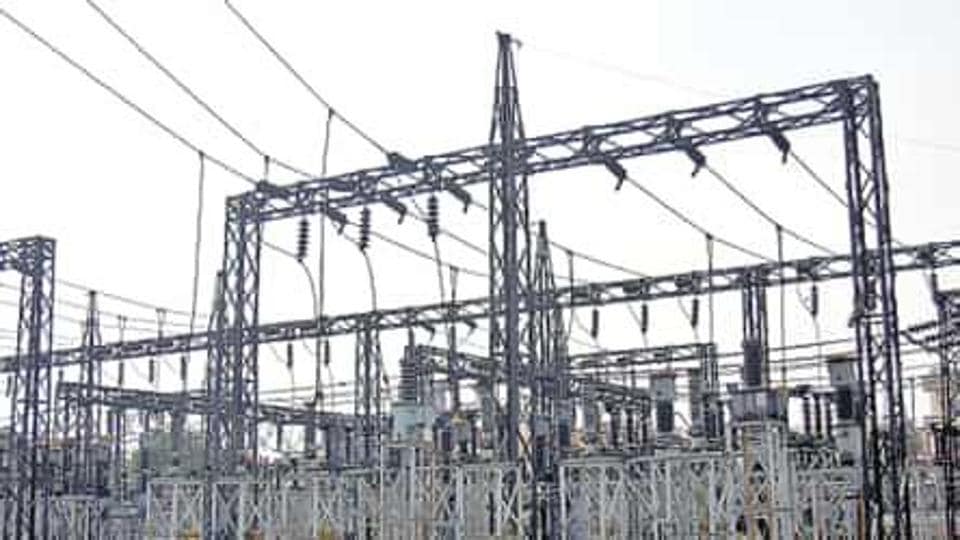
As per Haryana Electricity Regulatory Commission’s (HERC) order on distribution and retail supply, the tariff for domestic users consuming up to 100 units per month has also been decreased from ₹2.70 per unit to ₹2 per unit if the monthly usage is up to 50 units and from ₹4.50 per unit to ₹2.50 if 100 units are used up in the same period.
However, since energy charges in case of domestic consumers are telescopic in nature up to the consumption of 800 units per month, no slab benefit shall be admissible. If the usage exceeds 800 units in a month, ₹7.10 unit tariff will be applicable for total consumption.
The two power distribution companies (discoms) – UHBVN and DHBVN – submitted that the power sales to industrial and commercial consumers is likely to be affected severely due to the lockdown and possible delay in the resumption of full-scale economic activity. These categories have a lower distribution loss as compared to the other categories.
As a result of the alteration in the consumption mix, the discoms are expected to incur a higher level of distribution loss as compared to the previous year instead of the loss reduction proposed in the original filing. Due to Covid-19 lockdown, the vigilance and loss reduction activities will also be affected.
The revised losses have been projected on the basis of estimated consumption of various major consumer categories.
The power regulator in its order said that it has examined the true up for the 2018-19 financial year and the fuel surcharge adjustment (FSA) filings for the 2019-20 of the discoms. FSA is an amount the power distribution companies levy on consumers based on varying price of fuel or coal.
“The FSA calculations by the discoms are at times not in accordance with the multi-year tariff regulations. The method and amount of FSA being recovered is not comprehended by the electricity consumers. This may lead to under or over recovery of FSA. Accordingly, the regulator directs the licensees to calculate FSA strictly in accordance with the multi-year tariff regulations,” the HERC said.
The regulatory commission observed that the aggregate technical and commercial loss (AT&C) target of 18.91% and 15.03% for 2020-21 proposed by UHBVN and DHBVN respectively was on the lower side. “Under the UDAY scheme, Haryana discoms were required to reduce AT&C losses to 15% up to 2018-19 to utilise the central grant, but only DHBVN could achieve the target.
The HERC directed the distribution companies to reduce AT&C losses of all urban feeders below 25% and rural feeders below 50% in 2020-21. The discoms have been asked to submit detailed action plan to achieve the target within two months of issuance of orders.


