
 E-Paper



Punjab water regulatory body to oversee installation of new tubewells
The body has the powers to restrict and impose conditions on digging of new tubewells besides making their registration mandatory


To check further depletion of groundwater in the state, the newly constituted Punjab Water Regulation and Development Authority (PWRDA) has been mandated to oversee the installation of new tubewells.
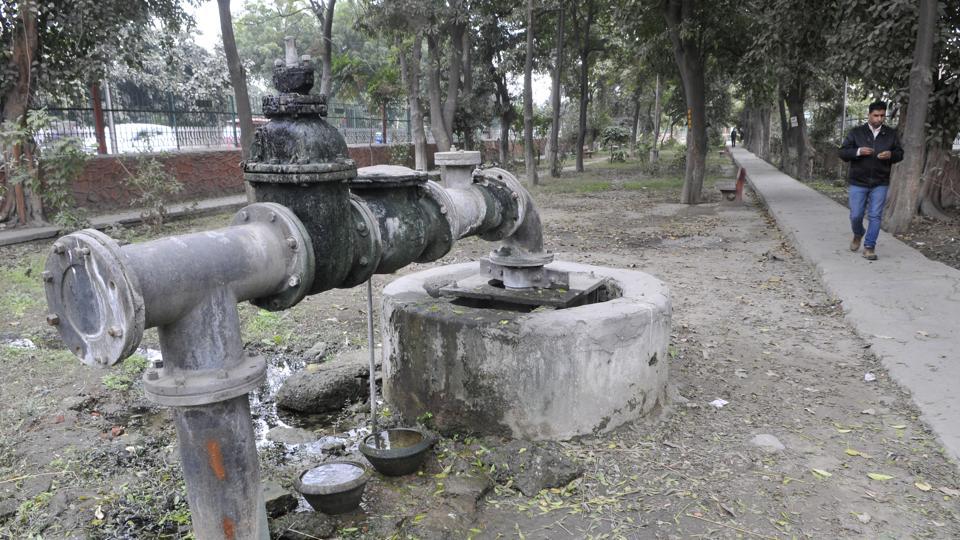
The body has the powers to restrict and impose conditions on digging of new tubewells besides making their registration mandatory.
The Punjab Water Resources (Management and Regulation) Act, 2020, enacted by the state assembly in February this year, also empowers the PWRDA to shut down tubewells used for industrial purposes.
Section 15 of the Punjab Water Resources Act says, “The authority may issue directions regarding development, management, or use of groundwater which may include construction and installation of any new structure for its extraction through energised means.”
Also, the Act provides the authority the powers to frame rules for allowing new structures to extract groundwater.
Nearly 14.5 lakh agricultural tubewells are continuously pumping out subsoil water across the state, even as the rate of extraction is much higher than the recharge rate.
The extent of use of the subsoil water could be judged from the fact that thee-fourth of Punjab’s area under agriculture is dependent on it while the central groundwater board says the rate of extraction in the state is 166%.
Due to steep fall in subsoil water levels, a large number of tubewells that go dry every year have to be dug again to continue pumping out water for irrigation.
“It is good that the state government has decided to check the tubewells dug for extraction of water for agricultural and industrial purposes. Ultimately, we have to do it. There is a tubewell for every three hectares (7.5 acres) in the state,” said Punjab Agricultural University (PAU) vice chancellor BS Dhillon.
Punjab is one of the few states in the country to have constituted a water regulation authority.


