
 E-Paper



Hours before Chhattisgarh assembly elections, state Congress vice president Ghanaram Sahu resigns
Congress state vice president Ghanaram Sahu resigned from the party on the eve of elections on Sunday.

 Prefer HTon Google


Hours before the first phase of Chhattisgarh assembly elections, state Congress vice president Ghanaram Sahu today announced his resignation from the party, alleging harassment by state unit chief Bhupesh Baghel
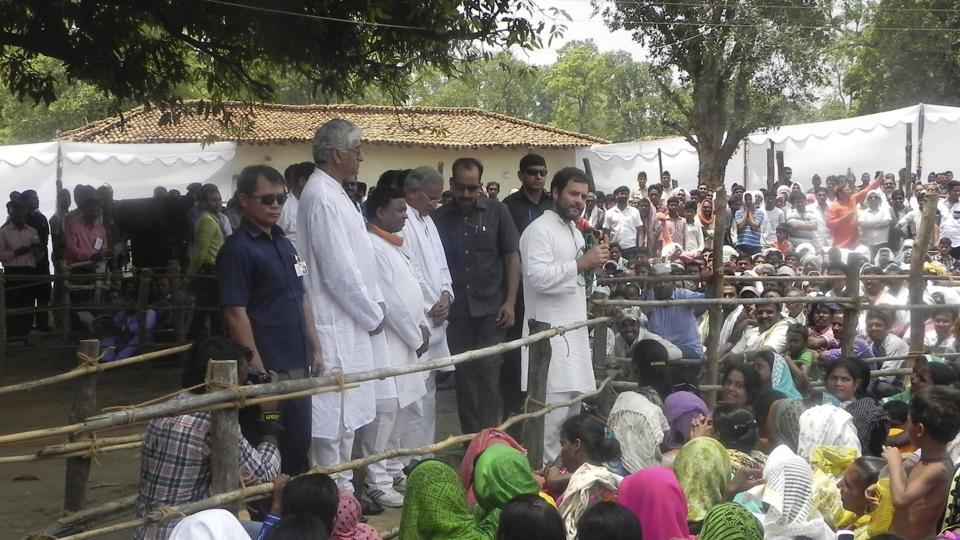
Sahu is the second senior leader to quit the party ahead of the 2018 Chhattisgarh assembly election. Earlier this month, the party’s state working president and tribal leader Ramdayal Uike had resigned to join the ruling Bharatiya Janata Party (BJP). While Sahu did not state his future plans, he is also likely to join the BJP.
“The BJP knows that they are losing the elections, thus this type of trading of leaders is going on. We have seen earlier the Ramdayal Uike episode and now Sahu is the second leader who fell into the BJP’s trap,” said Congress communication head and spokesperson Shailesh Nitin Trivedi.
BJP spokesperson Sanjay Shrivastava said that people are fed-up with internal politics of Congress and joining his party.
“The ethical and moral value of Congress has gone down in Chhattisgarh. Congress leaders and people are fed-up with the party. Secondly, we are winning, hence many Congress leaders are joining the BJP,” Shrivastava added.
In his resignation letter to Baghel, Sahu accused him of mental harassment due to personal animosity, reported ANI.
Sahu, who hails from the Durg district and had thrice been an MLA from the area when it was still part of undivided Madhya Pradesh, was reportedly unhappy at not being fielded in the current polls. He unsuccessfully contested from the Gundardehi constituency in the district in the 2008 assembly election.
Polling will be held in 18 seats spread across eight Maoist-affected districts of the state Monday, while the remaining seats in the 90-member assembly will vote on November 20. The BJP, headed by chief minister Raman Singh, is eyeing a fourth straight term in the tribal-dominated state as the opposition Congress seeks to return to power after 15 years.
-kW0H-U20214218012MgB-250x250%40HT-Web.jpg)


