
 E-Paper



20 held as Punjab Police bust drug cartel spanning 50 districts in 11 states
CRACKDOWN Cartel known as Agra Gang was pushing 10-12 crore intoxicants into Punjab and other states every month; 27.6 lakh pharmaceutical opioids in the form of tablets/capsules/injections/syrups seized along with Rs 70.03 lakh in drug money and five vehicles


Chandigarh: In one of the biggest crackdowns on the supply of pharmaceutical opioids across the country, Punjab Police has busted an inter-state drug cartel operating in more than 50 districts of the country spread across 11 states, using the hawala channel route.
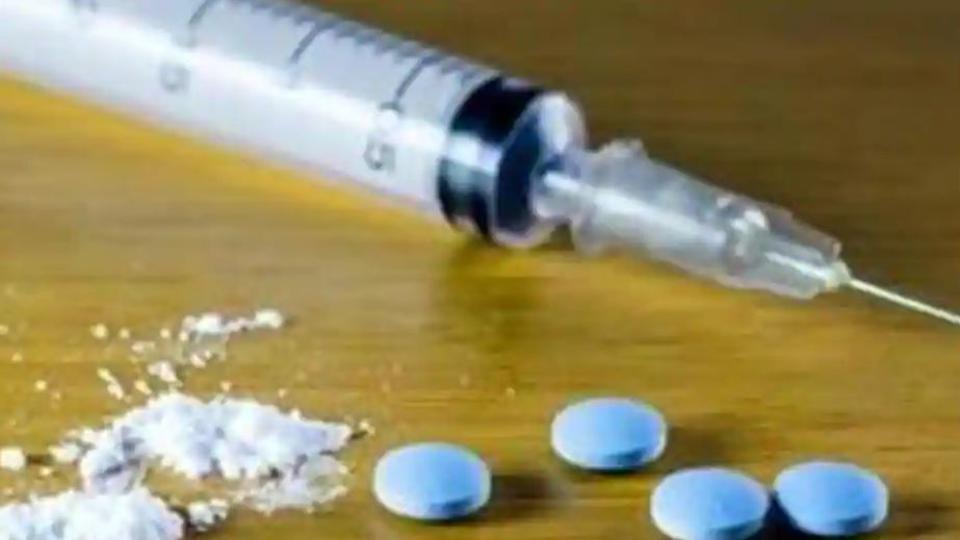
Twenty people have already been arrested with a cache of drugs, drug money and five vehicles, in an operation that spanned over eight weeks.
Punjab director general of police Dinkar Gupta said the drug cartel, known as the Agra Gang, was pushing pharmaceutical opioids (drugs) into markets across India by diverting drugs in huge quantities from the drug manufacturers, suppliers, wholesalers and retail chemists spread out across the country.
Of the 20 people arrested so far, 16 are from Punjab, two from Uttar Pradesh and one each from Haryana and Delhi.
BARNALA POLICE TEAM
BUSTED DRUG SYNDICATE
With the arrest of these gang members, a well-oiled network of drug syndicate pushing consignments to the tune of 10-12 crore of intoxicating pharmaceutical opioids in the form of tablets/capsules/injections/syrups per month into Punjab and other parts of the country has been smashed.
Thousands of youngsters who were or could have got hooked to these drugs have been saved from abuse and addiction.
The gang was busted by a Barnala police team, comprising of Pragya Jain, IPS, ASP Mehal Kalan, Sukhdev Virk SP(D), Ramninder Deol DSP (D), inspector Baljit Singh, in-charge CIA, working under the supervision of Barnala senior superintendent of police Sandeep Goel.
The arrest of the 20 men, including one of the cartel’s kingpins, were made from various locations in Punjab, Haryana, West Bengal, Uttar Pradesh and Delhi.
As many as 27,62,137 intoxicating tablets, capsules, injections and syrup bottles were seized from them, along with drug proceeds money of Rs 70,03,800, said Gupta.
BUSTED MATHURA GANG IN MARCH
The Barnala police had in March similarly busted a Mathura Gang and seized 44 lakh intoxicants and Rs 1.5 crore drug money in the biggest-ever such haul by Punjab Police.
The case began to unravel in May with the arrest of Balwinder Singh, alias Nikka, and four others along with 2.85 lakh intoxicating tablets (Tab Clovidol) during investigation into an NDPS case registered at Mehal Kalan police station. This led to the arrest of Julfikar Ali with 12,000 intoxicating tablets (Tab Clovidol). Julfikar’s questioning revealed the role of Harish as one of the masterminds in the influx and supply of pharmaceutical opioids into Punjab.
Following these arrests, the Barnala police spent over two months developing the leads, laying out surveillance plans and a trap, with a special team being sent to West Bengal from where Harish was arrested. It was Harish who disclosed the working of the gang and its chain of supply of psychotropic drugs not only in Punjab but in over 11 states of the country.
Subsequent raids in UP, Haryana, Delhi and Punjab led to the arrest of other gang members along with seizure of a large quantity of pharmaceutical opioids, the drug proceeds money and vehicles.
KINGPIN POSED AS MEDICAL REPRESENTATIVE
The DGP said Harish posed as a medical representative to establish contact with chemists and pharmacists by using address and phone numbers that he easily found over internet and social media. The contraband smugglers used a pre-identified network of couriers /transport /goods carriers, operating from cities such as Delhi, Agra, Amritsar, Jaipur, Gwalior and Bhopal, and delivered consignments to locations in different states with the help of fake/undervalued bills using local transporters.
Payment and transfer of money was done using the hawala channels, and also through multiple cash transactions into bank accounts created for this purpose.
MISUSE OF PHARMACEUTICAL OPIOIDS
The intoxicants seized are mostly pharmaceutical opioids. Many of these pharmaceutical products have legitimate and important medical use; however these products cannot be sold without a medical prescription from a registered practitioner. The gang was diverting these intoxicants, which are medically used for pain relief and treatment for opioid dependence, for extra-medical use, which can lead to drug overdose and even death.
The DGP said that the operation carried out by Punjab Police and the recovery of pharmaceutical opioids is significant and is a major hit to the supply of drugs in Punjab, as according to Magnitude of Substance Use in India-2019, a study commissioned by ministry of social justice and empowerment, Government of India, pharmaceutical opioids (which itself includes a variety of medications of the opioid group) are the second most commonly used opioids in India (0.96%), after heroin (1.14%). It is estimated that the harmful use/dependent use of pharmaceutical opioids constitutes 40% of the drug problem in the state.


