
 E-Paper



After 2-year delay, animal census in its final leg in Pune
The census, which is almost complete, has found that domestic dogs in Pune Municipal Corporation (PMC) are 16,078 and while Pimpri Chinchwad Municipal Corporation (PCMC) has 16,100


Every five years, the government of India conducts livestock census and this year although the Centre announced the notification on October 1, 2016 to hold one with the period date for the 20th livestock census 2017 being from July 16 to October 15, 2017, the government of Maharashtra missed its deadline by two years.
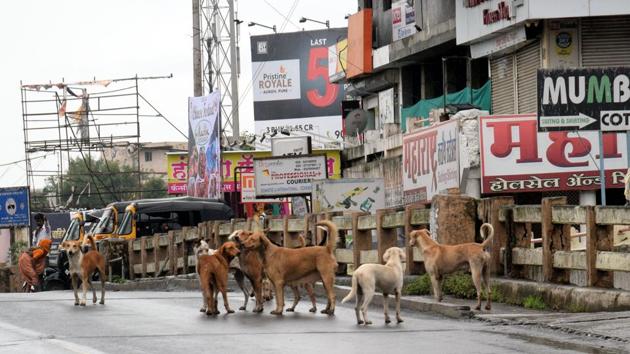
The census, which is almost complete, has found that domestic dogs in Pune Municipal Corporation (PMC) are 16,078 and while Pimpri Chinchwad Municipal Corporation (PCMC) has 16,100. The stray dogs in Pune and Pimpri-Chinchwad are an alarming 2,74,000. The report is still in its final stages and numbers could vary, according to PMC officials.
As of August 23, 2019, Animal Health Organisation was selected to conduct the livestock census after the commissioner, Animal Husbandry, Maharashtra state, declared Pune as the state livestock census officer and authorised it to take all the necessary steps carry out the census. It is in the process of finally completing the census and submitting the report to deputy director (statistics), who is acting as the coordination officer for the census activities.
According to Rishikesh Samant, president, Animal Health Organisation, “We received the appointment in October 2018 to begin the census, but since the government was also shifting the census process from manual to digital and using tablets, we faced
software issues. The project took off on November 2018 when the actual ground work began with veterinary doctors and students becoming enumerators for the Census.”
Pune had 76 while PCMC had 80 enumerators working for census project. Each enumerator had 6,000 households to check for domestic animals to create the basic data entry. “We had been given three months to complete the task, but software update problems and insufficient number of tablets affected our work. We started the survey in shifts with 600 tabs in Pune and Pimpri-Chinchwad from April 2019,” said Samant.
The other difficulties faced by the volunteers was that since it was the first time that they were using technology, it caused hurdles of usage and timely updates as these were ground people who worked with animal related work and had to updated on technology. Local veterinary doctors and livestock supervisors were selected as they could collect detailed data, including identification of breed.
“With the use of technology, human error is zero and the government will use the data to provide health and medical care directly to animal owners or get an idea about increasing vaccination capacity,” Samant said.
The census also showed increase in cattle numbers in urban areas by 35 per cent, especially of desi cows. The approximate figure that the volunteers counted was close to 5,200 in PMC while PCMC has 9,300.
After census of other domestic animals, the census also conducted a one-day survey to count stray dogs. “We carried out survey from 4 am to 8 am in PMC on May 26, 2019 and June 12, 2019 in PCMC. We counted dogs without collars,” said Samant.
The 20th Livestock Census was started in October last year and was to be conducted on tablets in all districts of the country in participation with all states and Union Territories.
Counting animals
After receiving tablets from the government, enumerator goes door to door, visiting households in the allotted ward/ area.
Enumerator will upload pet data and owner’s details on the tablet.
With the help of technology, the authorities will be able to get geotagged data on wardwise and even streetwise stray dog population.
A senior official of animal husbandry wing said dogs will be divided into categories — male, female, neutered, non-neutered or pregnant.
Stray dog numbers are crucial to check effectiveness of the animal birth control programme carried out by the civic body.
The authorities are carrying out dog and livestock census for the first time using the digital technology. Generally, the livestock supervisors count three dogs behind 100 people to reach to an average.
The survey report will be submit by September 5, 2019.
The livestock census is conducted across the country periodically since 1919-20.
It covers all domesticated animals and headcounts of those animals.
Species of animals include buffalo, yak, sheep, goat, pig, horse, pony, mule, donkey, camel, dog, rabbit and elephant and poultry birds (fowl, duck, emu, turkeys, quail and others)


