
 E-Paper



Karnataka’s new IT Policy shifts growth beyond Bengaluru with big perks for tier-2 cities
Karnataka has approved its IT Policy for 2025-2030, featuring 16 incentives to support tech companies, with an emphasis on expanding beyond Bengaluru.

 Prefer HTon Google


Karnataka has unveiled its new Information Technology Policy for 2025–2030, proposing a wide range of financial and non-financial incentives to accelerate investments, deepen innovation and expand the state’s technology footprint beyond Bengaluru.
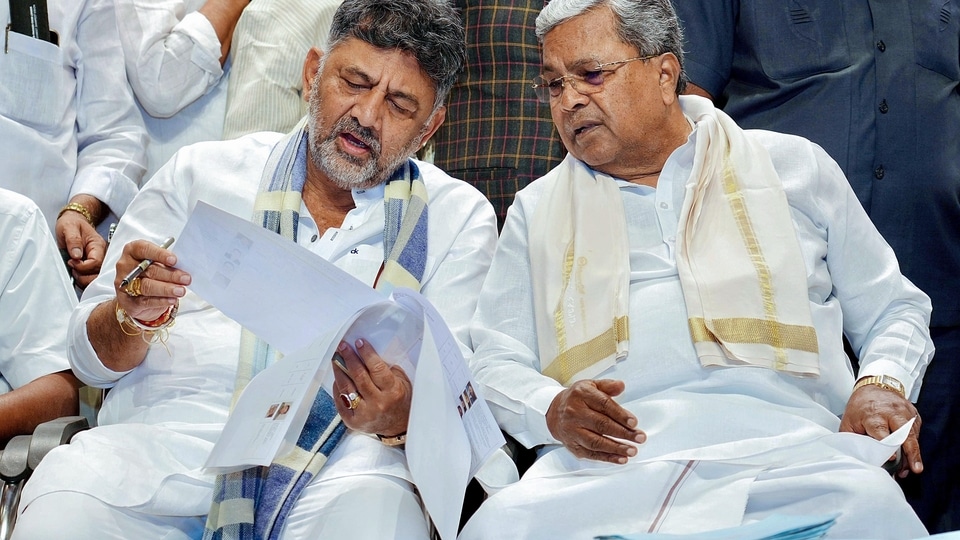
The state Cabinet cleared the policy on Thursday with an outlay of ₹445.50 crore, following approval from the Finance Department.
The policy introduces 16 incentives across five enabler categories, nine of them entirely new, with a strong emphasis on supporting companies setting up or expanding in emerging cities. Along with financial benefits, the government is offering labour-law relaxations, 24/7 operational permissions and industry-ready human capital programmes aimed at positioning Karnataka as a globally competitive, “AI-native” destination.
Units located outside Bengaluru will have access to a wide suite of benefits, including research and development and IP creation incentives, internship reimbursements, talent relocation support, recruitment assistance, EPF reimbursement, faculty development support, rental assistance, certification subsidies, electricity tariff rebates, property tax reimbursement, telecom infrastructure support and support for industry events and conferences.
Bengaluru Urban, meanwhile, will receive a focused set of six R&D and talent-oriented incentives, while Indian Global Capability Centres (GCCs) operating in the state will also be brought under the incentive framework. Incentive caps and eligibility thresholds have been increased, with the policy prioritising growth-oriented investments for both new and expanding units.
Beyond incentives, the policy lays out major infrastructure and innovation interventions. A central element is Techniverse, a flagship initiative to develop integrated, technology-enabled enclaves through a public–private partnership model inside future Global Innovation Districts. These campuses will house plug-and-play facilities, AI/ML and cybersecurity labs, advanced testbeds, experience centres and disaster-resistant command centres.
The government also plans to establish a Statewide Digital Hub Grid and a Global Test Bed Infrastructure Network, connecting public and private R&D and innovation infrastructure across Karnataka.
Additional proposals include a Women Global Tech Missions Fellowship for 1,000 mid-career women technologists, an IT Talent Return Programme for professionals coming back from abroad, and broad-based skill and faculty development reimbursements.
To aid workforce mobility, shared corporate transport routes will be developed in Bengaluru and tier-2 cities in partnership with BMTC and other transport agencies.
The government said the policy is the result of extensive consultations with major industry stakeholders, including TCS, Infosys, Wipro, IBM, HCL, Tech Mahindra, Cognizant, HP, Google, Accenture, NASSCOM and several sector experts.
The five-year outlay for the policy is estimated at ₹967.12 crore, including ₹754.62 crore earmarked for incentives and ₹212.50 crore for interventions such as Techniverse campuses, digital grid development, global outreach missions and talent programmes.
(With PTI inputs)


