
 E-Paper



No ‘meat ban’ on Eid (May 3) in Bengaluru: BBMP busts rumour
The BBMP has scotched rumours that there would be a meat ban in Bengaluru on Tuesday – the day Eid is celebrated – since it clashed with Basava Jayanti.


The BBMP has scotched rumours that there would be a meat ban in Bengaluru on Tuesday – the day Eid is celebrated – since it clashed with Basava Jayanti. Both Basava Jayanti (celebrated mainly by Lingayats) and Eid-ul-Fitr are tomorrow on May 3.
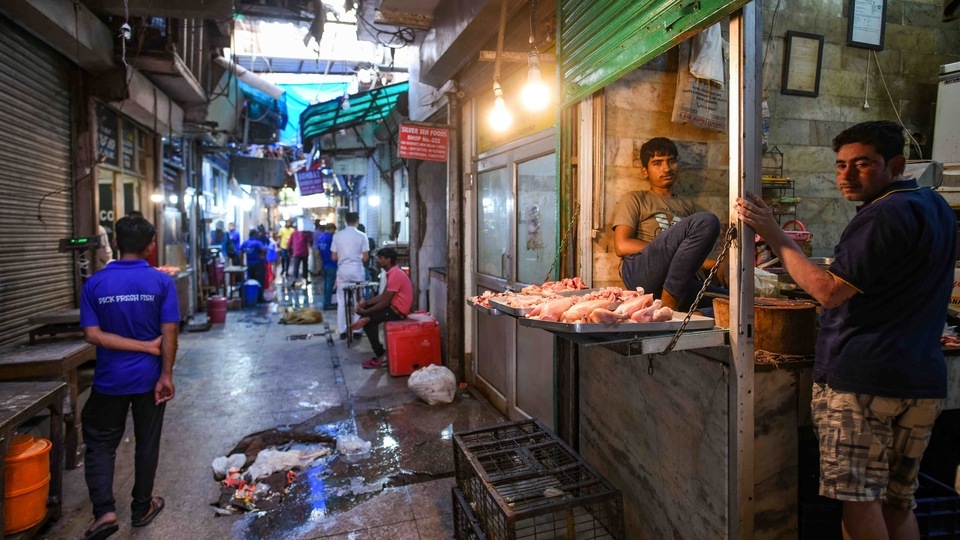
This led to rumours that there’d be a meat ban in Bengaluru on Eid.
However, a senior BBMP official told Deccan Herald that there was no truth to the rumour. The official pointed out that the Urban Development Board hasn’t marked Basava Jayanti as a day when there was a moratorium on selling meat.
The days on which there’s a such a moratorium are:
- Martyrs' Day (Jan 3)
- Mahashivratri (March 1)
- Sri Rama Navami (April 10)
- Mahaveer Jayanti (April 14)
- Buddha Purnima (May 16)
- Krishna Janmasthami (August 19)
- Ganesh Chaturthi (August 31)
- Gandhi Jayanti (October 2)
- Sadhu Vaswani Jayanti (Nov 25)
The Bengaluru civic body had issued an order prohibiting animal slaughter and sale of meat on Rama Navami on April 10 .
What is Basava Jayanti?
Basava Jayanti is a Hindu festival celebrated by Lingayats in Karantaka, Andhra Pradesh, Telangana and Maharashtra to mark the birthday of Lord Basavanna. It’s a state holiday in the aforementioned states. Lord Basavanna was the founder of Lingayatism and his birthday is heralded as the commencement of a new era called Basavanna Era or Basaveshar Era. As per the Hindu calendar, the birth of Lord Basaveshwar falls on the 3rd day of Vaisahaka month.
What is Eid-ul-Fitr?
Eid-ul-Fitr, which marks the end of the month-long Ramzan fasting, will be celebrated in Karnataka on Tuesday, according to the moon-sighting committee. It couldn't be sighted on in state on Sunday due to cloudy weather and rain.
The Karnataka moon-sighting committee said that that Eid will be celebrated in most parts of Karnataka and India on Tuesday. Maulana Sagheer Ahmed Rashada told a news conference that the sky was cloudy in Bengaluru and many parts of south interior Karnataka due to a thunderstorm, the crescent wasn’t sighted in places such as Ballari, Davangere, Bagalkot and Gadag.
Accordingly, Monday will be last day of Ramzan and Tuesday will be Eid-ul-Fitr, Rashadi said.
On the other hand, in Kerala and coastal Karnataka, Eid-ul-Fitr will be celebrated on Monday.
Eid-ul-Fitr is celebrated by Muslims around the globe to mark the end of the Islamic holy month of Ramzan. Ramzan is observed by Muslims worldwide as a month of fasting to commemorate the first revelation of the Quran to the Prophet Muhammad, according to Islamic belief.
is the ninth month of the Islamic calendar, which involves rigorous fasting for about 30 days. During this month, Muslims do not consume food or water from dawn to dusk. They eat Sehri (a pre-dawn meal) and break their day-long fast with 'Iftar' in the evening.
Eid ul-Fitr marks the end of the fasting month of Ramzan. The festival is celebrated on the first day of Shawwal, the 10th month of the Islamic lunar calendar.
The festival is celebrated by sharing a delightful dish Seviyan (Vermicelli) that comes under different varieties like Hath Ka Seviyan, Nammak Ka Seviyan, Chakle Ka Seviyan and Laddu Seviyan. All these variants can be used in the dish called Sheerkurma, which is also made on Eid and distributed among friends and relatives.


