
 E-Paper



Being forced to sign away land, says tribal woman; MP high court orders probe
The direction was passed on Tuesday by a bench of justices Hridesh and Anand Pathak during a hearing into a habeas corpus petition

 Prefer HTon Google


BHOPAL: The Gwalior bench of the Madhya Pradesh high court has ordered the Ashok Nagar administration to probe instances where influential people in the district may have taken over land belonging to tribals and turned them into bonded labourers.
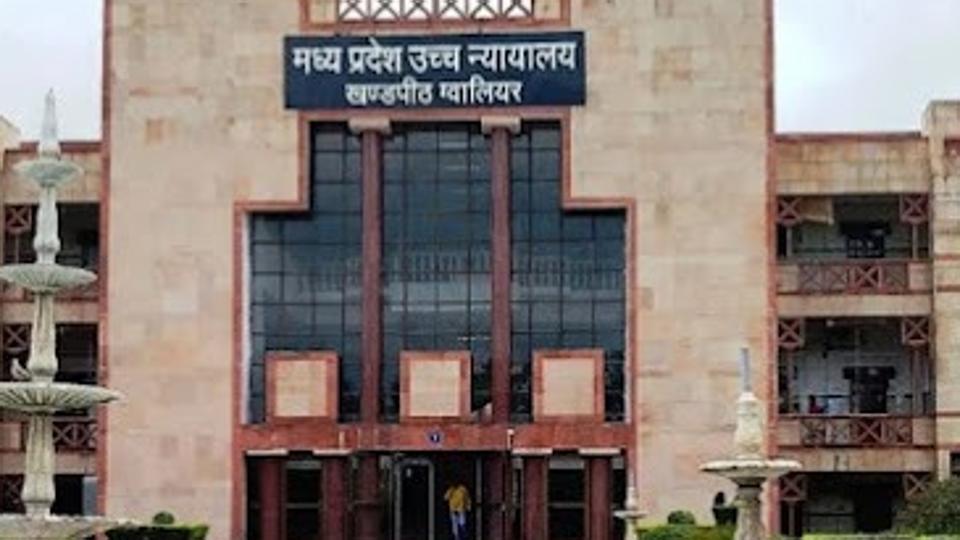
The direction was passed on Tuesday by a bench of justices Hridesh and Anand Pathak during a hearing into a habeas corpus petition ostensibly filed by a tribal man, Chotelal Adivasi, to seek the production of his wife. In the petition, Chotelal said his wife had been missing since January 29 and the police weren’t helping him find her.
His wife, Munni Bai, who was brought to the court by the Ishagarh police on Tuesday, told the bench that she had run away to her brother’s house to escape former sarpanch Hardeep Randhawa and Gaurav Sharma who were trying to force her to sign away her land. She also alleged, despite some people in the courtroom trying to stop her, that they had already forced her husband to do the same and that he now was their bonded labourer.
Lawyer Vibhor Sahu who appeared for Munni Bai said the entire case was part of an effort to grab land belonging to the tribals. Sahu told the court that it was common for powerful people to grab or buy land belonging to the Scheduled Tribes for a pittance. “The woman (Munni Bai) is an owner of land around 4.8723 hectares and some local politicians want to get that land in their names,” Sahu said.
In its order, the high court acknowledged that Hardeep Randhawa, husband of the Shankarpur panchayat sarpanch, could have filed the habeas corpus petition to force the authorities to produce the woman. It also recorded how an attempt was made to “influence and intimidate” the petitioner in the court room. It indicated that “they somehow wanted to keep petitioner and corpus silent about their designs, maybe evil in nature (also subject to enquiry/investigation).”
The bench ordered the Ashok Nagar district collector to conduct an inquiry to ascertain cases where land belonging to tribals was being “grabbed or disposed off by such influential persons including the persons holding different offices”.
“It would also be the duty of the Collector, Ashoknagar to conduct enquiry in respect of bonded labourers working on such agricultural fields/households or any other places under the domination of such powerful persons. Collector, Ashok Nagar shall have to ensure that no bonded labour should work in his district as it is contrary to constitutional and statutory provisions,” the bench said.
The collector has been given two weeks.
The Ashok Nagar district superintendent of police (SP) was also ordered to file criminal cases if any case is found where “persons of influence or any vested interest tried to forcibly get the land of members of Scheduled Tribe Community”.
The Gwalior SP was also told to provide police protection to the tribal man and his wife so that they may go to his in-laws’ place at Village Surel. Tehsil Chanderi, District Ashoknagar under such police protection.
The high court also warned Sharma and Randhawa against going anywhere close to the couple and barred the two from trying to contact them in person, through any electronic device, through anybody else.



