
 E-Paper



50 years of 1971 war: Col GS Sandhu recalls how we treated Pak PoWs with dignity
Col Sandhu was part of the Core of Ordnance (COD) and stationed in Secunderabad from 1971 to mid-1972. His unit had the duty of ensuring the smooth supply of arms, ammunition, and clothing to troops at all places, during the Indo-Pak War of 1971.

 Prefer HTon Google


Wars end but stories from the battleground live on. Seventy-four-year-old Col GS Sandhu, who was among the 600 young cadets of IMA Dehradun, commissioned in the Army just 10 days before the Indo-Pak War of 1971 started, recalls the time he spent with the Pakistani prisoners of war (PoWs), including the rival country’s Eastern Command chief Lt-Gen AAK Niazi.
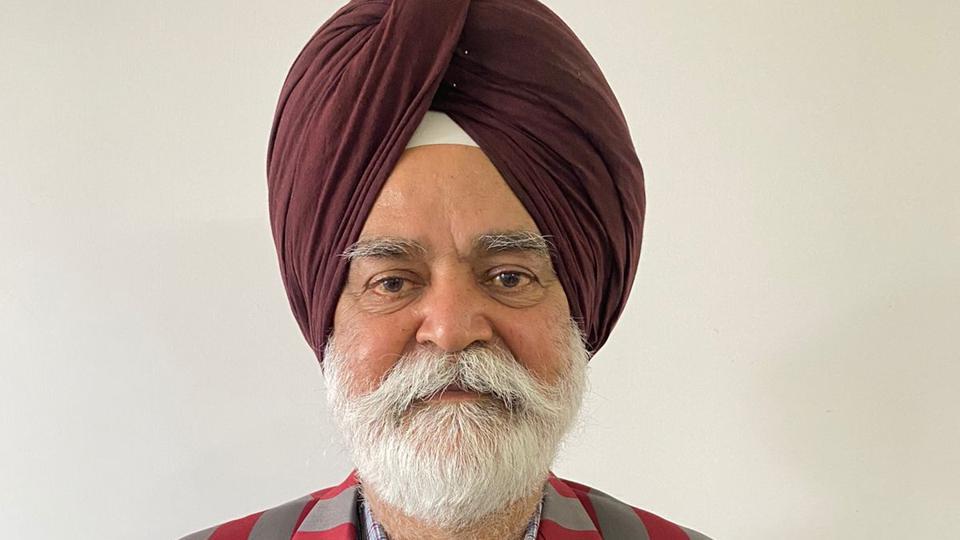
Col Sandhu was part of the Core of Ordnance (COD) and stationed in Secunderabad from 1971 to mid-1972. His unit had the duty of ensuring the smooth supply of arms, ammunition, and clothing to troops at all places.
“After the war ended, we were air-lifted to Calcutta, where the Army had seized a large amount of arms and ammunition from Pakistani troops in Bangladesh. We had to unload and dispatch it. We received it near Khulna and sent it to the COD, Jabalpur. Then abruptly, some 50 of us were sent to Jabalpur to do a 6-month long young officers’ course in the Army Ordnance School,” recalls Col Sandhu.
In Jabalpur, the Army had earmarked an officers’ mess for keeping Pakistani PoWs. Around 20 captured officers, of the rank of Major Generals and above, including Niazi and General Tikka Khan, were kept there.
“Now, they were all Punjabi and we were put on guard duty to ensure they don’t try to escape. The Indian Army provided all comforts to the officers such as air-conditioned rooms. The PoWs were really grateful to the Indian Army,” says a beaming Col Sandhu.
“Gen Niazi used to offer namaz three times a day. He would listen to stories of Sikh Gurus from me. He would curse his people in Bangladesh, particularly the General. He used to say that they were forcefully made to fight against India,” the Colonel recalls.
“Most officers of Punjabi origin were very comfortable with us. Some of them used to get emotional while talking about their families who were parted during partition. There was one officer, whom we used to call Khan Saab. He had three brothers. His ancestors were Sikhs, his two brothers stayed in India – Gurdaspur and one near Amritsar. He cried a lot talking about his brothers.”
Choice of food became an issue. Eventually, another batch of 20 prisoners was sent. Now, it became a problem for us as they wanted to eat beef and won’t eat meat other than “halal”, so they stopped eating meat and were on vegetables. They also wanted to drink, but secretly, so they would request to bring alcohol in a Dettol bottle.
There was no confrontation, none of them tried to escape.
“There used to be one Captain Sehgal, who escaped from Agra and tried to enter the Prison in Jabalpur as it was protected by a Sikh regiment. But he couldn’t and went back to Pakistan. Many years later, the officer visited India with the delegation of President Musharraf. It was then that he told me the story of his escape,” says the 74-year-old veteran.
Col Sandhu took premature retirement in 1996 and started National Dental College and hospital in Dera Bassi, where all his employees were retired army officers. He also opened a Cambridge Public School.


