
 E-Paper



57 swine flu cases confirmed in Ludhiana district so far this year
A day after a senior official from the administration tested positive for swine flu, the health department said a total of 57 cases of the viral disease have been reported in the district since the start of the year


A day after a senior official from the administration tested positive for swine flu, the health department said a total of 57 cases of the viral disease have been reported in the district since the start of the year. Of these, 19 patients are from the city itself.
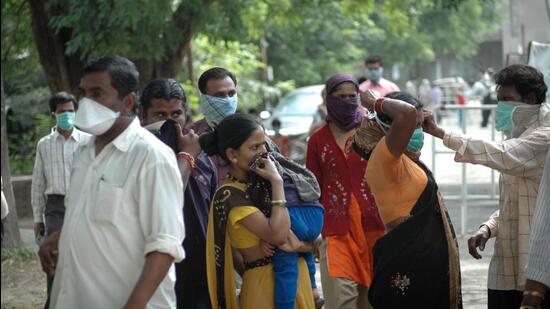
While seven patients suffering from swine flu have been discharged following treatment, six have been undergoing treatment at hospital over the last few days, in addition to six others recent detections.
The suspected swine flu cases tally for the district stands at 292, of which 95 were city residents and 197 suspected patients lived elsewhere in the district.
A total of 12 suspected cases were reported on Thursday, one from the city and 11 others.
Dr Rajesh Mahajan, a professor at the department of medicine, said the cases of swine flu are normally witnessed during the period of post-monsoon and post-winters.
Keeping in view the swine flu cases in the district, civil surgeon Dr Hitinder Kaur appealed to the general public to use masks to prevent catching the infection. She further suggested that the residents avoid going to crowded places if not absolutely necessary.
Advocate and Bharatiya Janata Party leader Sandeep Kapur had become the first victim of swine flu in the state after his death in June this year.
Symptoms
Civil surgeon said that the main symptoms of this disease are high fever, cough, cold, sneezing or runny nose, pain in the throat, difficulty in breathing, diarrhoea and body aches.
Prevention
Speaking of prevention, the civil surgeon said one should cover their face with a cloth while coughing and sneezing, wash their hands with soap before and after touching one’s nose, eyes and mouth and maintaining social distance from potential patients.


