
 E-Paper



A love letter sparked my passion for writing, says Irshad Kamil at Chandigarh Language Congress
The lyricist, who has given words to soulful tracks of iconic films such as Ae Dil Hai Mushkil, Raanjhanaa and Jab We Met, was in conversation with Panjab University Hindi department chairperson Ashok Kumar on the second day of the three-day long Chandigarh Language Congress

 Prefer HTon Google


Taking a trip down memory lane, renowned lyricist Irshad Kamil, an alumnus of Panjab University, on Friday recalled how penning a love letter on the recommendation of a friend, sparked his passion for writing.
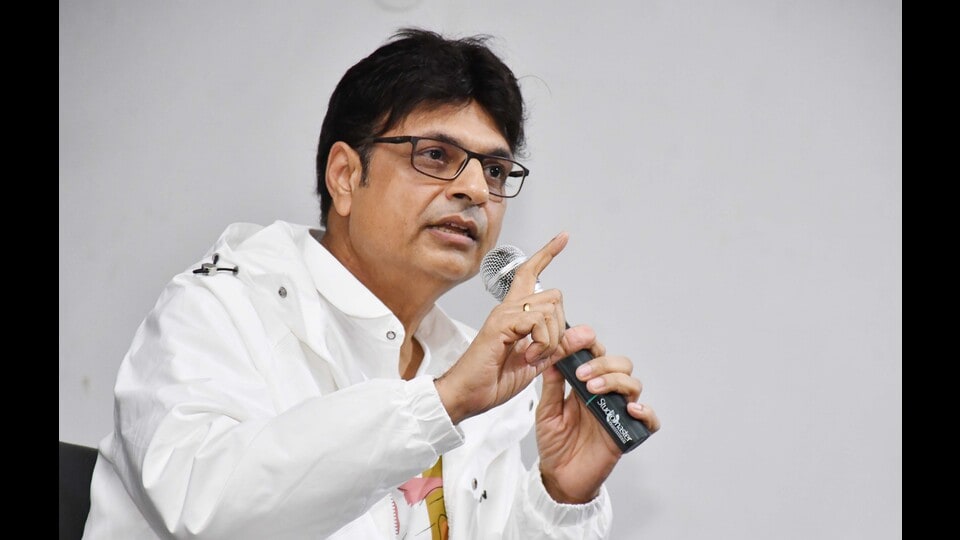
The lyricist, who has given words to soulful tracks of iconic films such as Ae Dil Hai Mushkil, Raanjhanaa and Jab We Met, was in conversation with Panjab University Hindi department chairperson Ashok Kumar on the second day of the three-day long Chandigarh Language Congress being held on campus.
Kamil dwelled on length about his attempts to forge a link between literature, song and cinema. Reflecting on his relationship with the varsity, Kamil said, “PU is like a lover whom I cannot take with me to Bombay. It is like a charger for me.”
On why people think old songs are better than the new ones, Kamil said, “Time acts as a filter. We only remember hit songs, but at that time, the bad ones were also there. However, with time, they have faded away.”
On a question on why there were fewer women lyricists, he said, “Art has no gender.”
Earlier sessions saw Urdu poet and scholar Anees Ashfaq discuss the theme of nostalgia running through his works in the conversation with Ali Abbas, chairperson of department of Urdu.
The discussion between eminent Punjabi poet Surjit Patar and department of Punjabi spokesperson Yograj Angrish was also one of the highlights of the day with the people who had grown up reading Patar as part of their textbooks forming a major chunk of the audience.
Writer and academic Sumana Roy spoke to Akshaya Kumar, chairperson of the department of English and cultural studies, about her dissatisfaction with “categories” in general, even the one of professor.


