
 E-Paper



A pinch of imagination, a sprinkle of magic!
With the ever-growing trend of clicking “instagrammable” images of every meal you eat, we dish out artful tricks and tantalising techniques straight from some kitchen enchanters!


A recent study says that looking at food images on your mobile can satisfy your hunger without eating anything. While we can’t validate this new claim, we know that gorgeous looking food can certainly whet your imagination. Plating prowess and culinary creativity collide in the world of food styling, where every dish becomes a canvas. Whether you’re a culinary enthusiast or just want to add that pizzazz to your everyday dishes, these tips by leading food stylists will have you plating and photographing food like a pro.
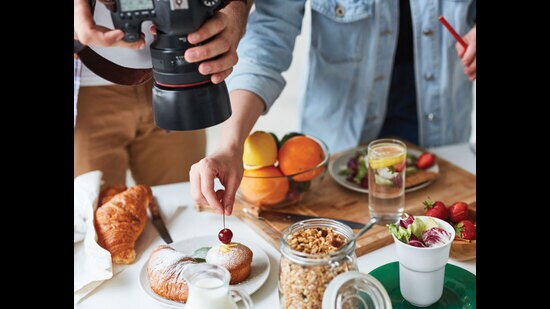
Less is more: Alok Verma (@allaboutthatpalate)
There’s merit to approaching a food shoot with a “less is more” approach and adopting minimalism in food styling. Nothing else brings you closer to understanding food in its right shape and form, textures, garnishes, and layering which is all focused on when the subject is zoomed in, by following minimalism. Also, ensure that you don’t feel creatively saturated with limited items in your prop closet. Buy neutral-coloured props: white, black, wooden, pastel colour crockery, and nothing too bold in colour. Create hand-painted backdrops with various textures created using paper bags, cloth pieces or jute fabric. Utilise rustic spoons and forks too add to the aesthetics. Motion in food photography is also crucial as it adds dynamism and a surprise element.
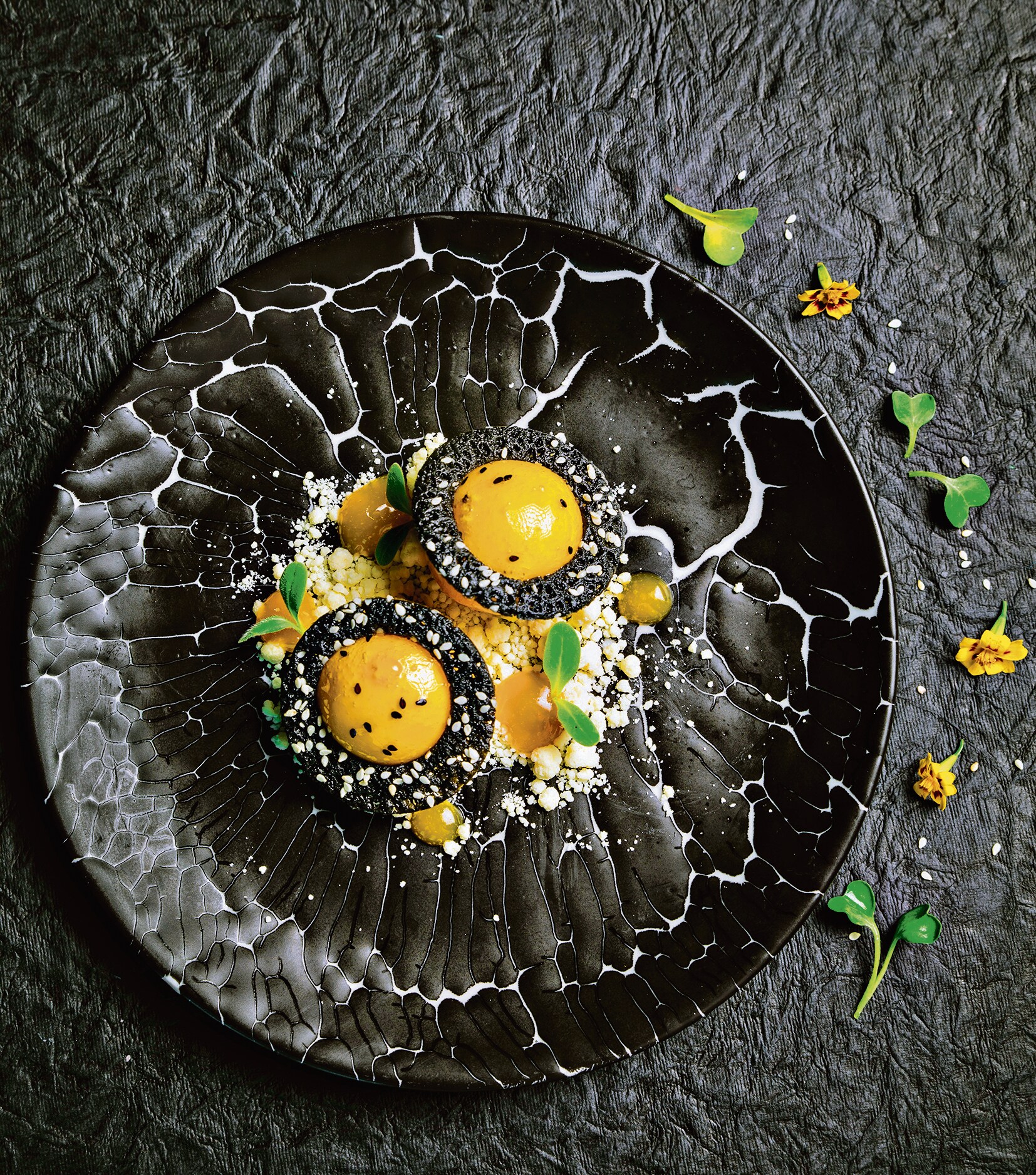
Understand the recipe: Sneha Naidu (@thesaucyxplorer)
For styling any food, you need to understand the recipe, texture, colours, cultural or regional connections. This helps create the mood of the frame. Some hacks I use to make the food look appealing is putting the greens in ice-cold water to keep them fresh; vegetable oil to add a photo-friendly sheen. Appropriate cutlery, ingredients, and other props also help in storytelling. Also, pick colours carefully. For instance, if you are shooting dhokla, make sure that the backdrop, tempering, garnish and cutlery are not in yellow.
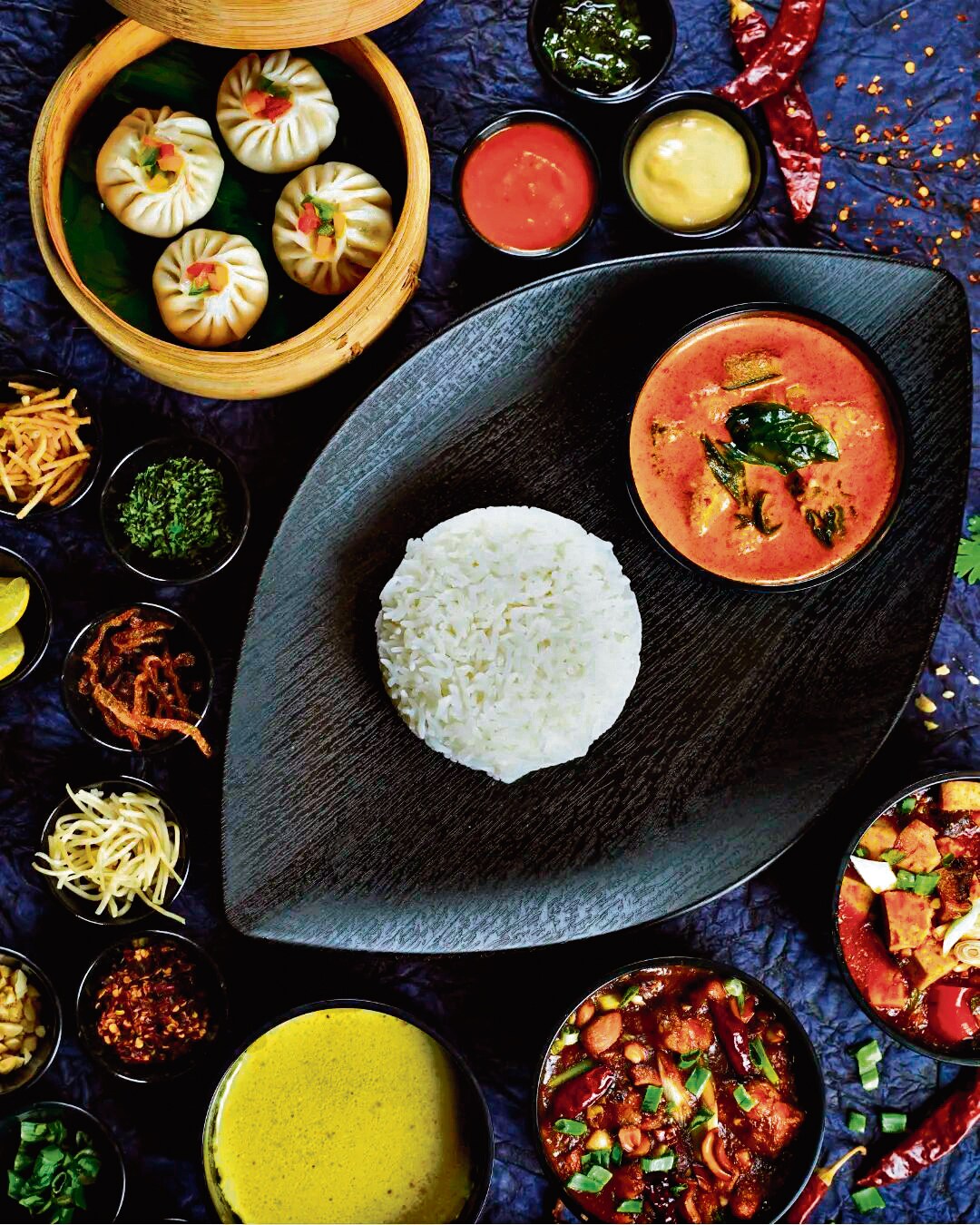
Food is the hero: Deeba Rajpal (@passionateaboutbaking)
First things first, you don’t need an expensive camera to shoot everyday Insta-worthy images. Phones have excellent camera specs these days and your best equipment is your eyes. While framing a shot, make food the hero. Everything else in the frame are supporting elements that make it shine! Neutral colours work best for plating. Make sure your props are relevant to your story. For a high-key, bright, summery image, pick ecru, beige, cream, white props and shoot on a light background such as white marble, distressed white wood, or linen. For moody, dark images, matt black, vintage silver props with dark cement, marble or rustic wooden base can work. Also, don’t crop the frame too close to the food. Give the viewer breathing space.
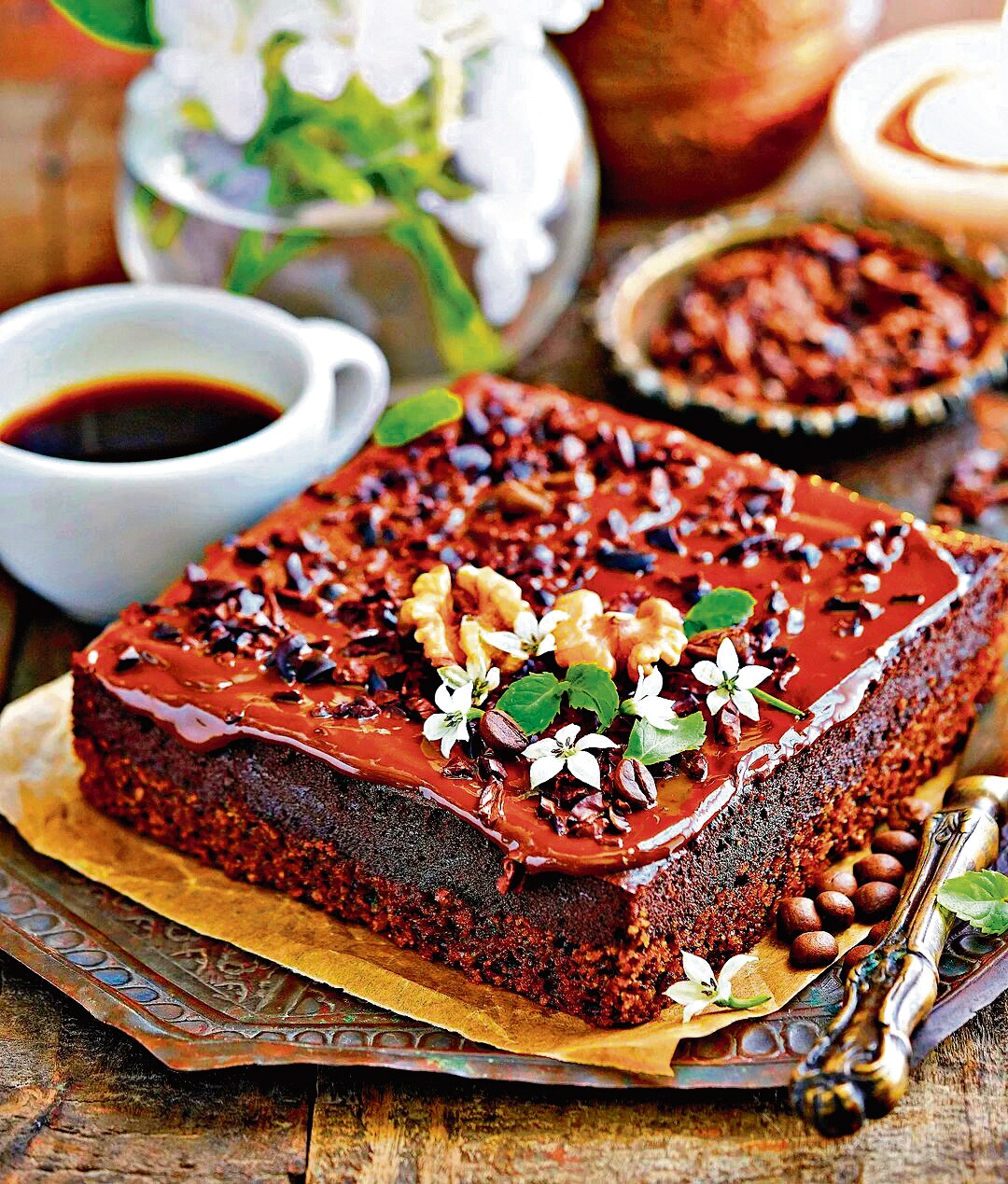
Shoot in natural light: Nitin Tandon (@ntfoodstyling)
Frame your plating pixel-by-pixel. While framing a shot, keep in mind is the message you want to convey. All the elements in a frame should be in harmony and not clash with or overpower the star of the shot (the food). Also, natural is the trend, so try to shoot in natural light with minimal props to avoid the frame from looking messy. Also, choose elements imaginatively. For a dhaba inspired shot, create a rustic setting, jute rags, lanterns, earthen crockery, and mismatched cutlery.
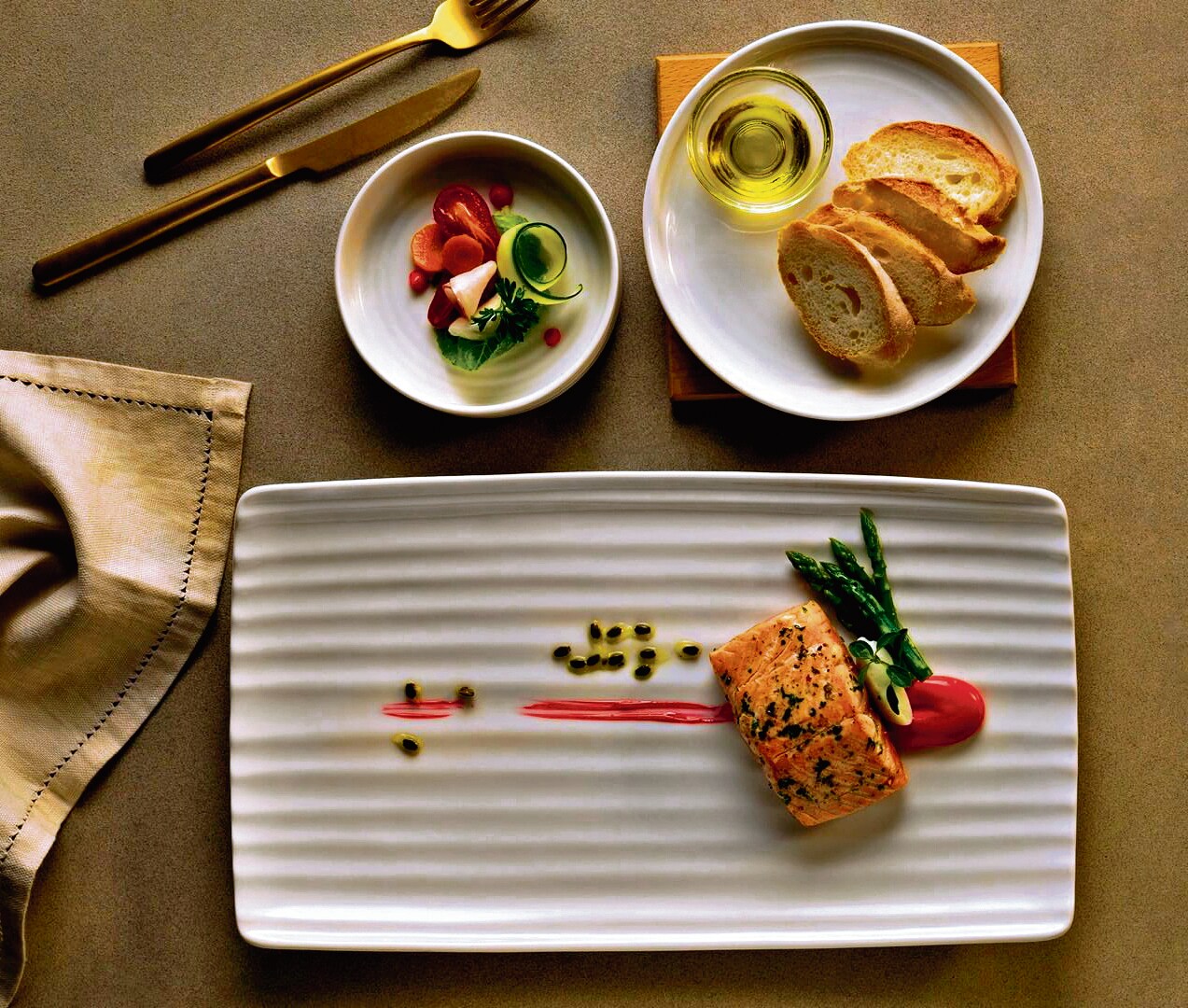
Don’t overcook: Payal Gupta (@foodstylistpayalgupta)
Contrasting garnish or toppings always make the dish stand out. Also, pick the right base. For instance, if you’re displaying dahi bhalla or tikkas and you place them in a bowl, you won’t be able to see the depth of the dish or its layers and textures, making it a dull frame. A more appropriate option would be a flat plate or slab. Also, don’t let your props don’t overshadow your food. And make sure that the food is not overcooked as that would ruin the final look.
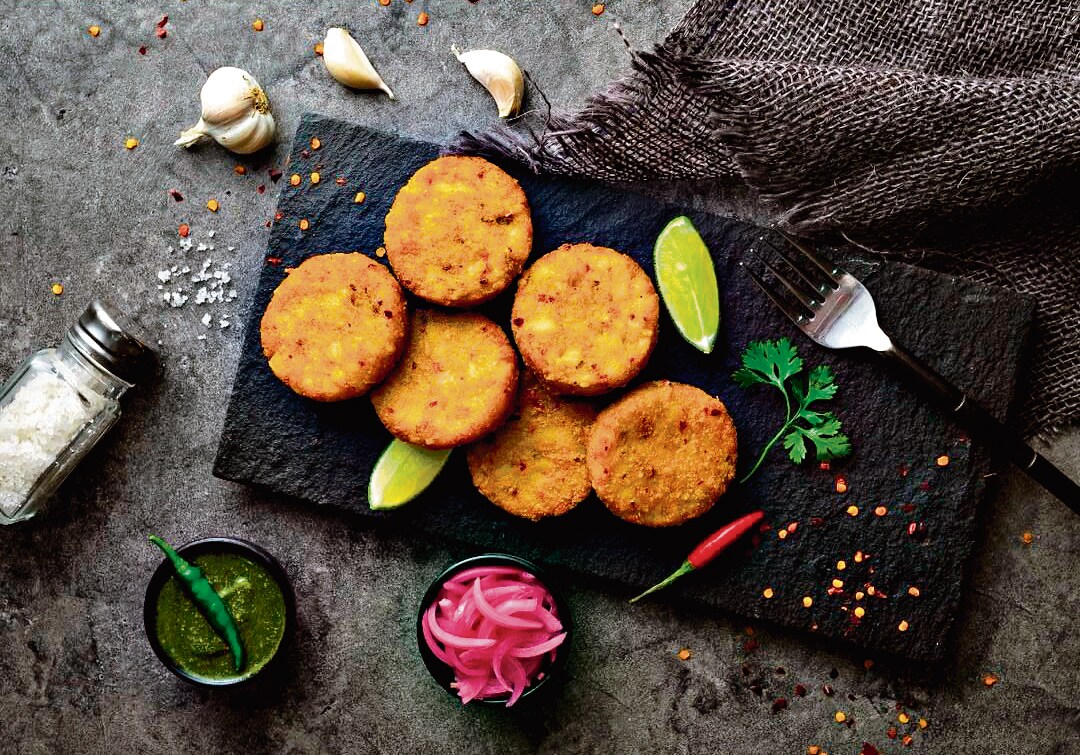
Elevate your food snap:
Display fresh ingredients around the dish to give taste and smell hints to the viewer. Cinnamon sticks, coffee beans, cut up fruits, twigs or sprigs of fresh herbs, edible flowers scattered around or frozen in ice cubes are great choices.
Use DIY backdrops – embroidered tablecloths, baking sheets, tin trays, paper bags, jute rags, ceramic tiles, the list goes on.
Tell a story – silverware placed neatly on a neutral-tone napkin and tall wine glasses tells the story of a fancy dinner while forks haphazardly placed on the table or bhajjis on a crumbled newspaper with a side of chillies evoke a relaxed home setting.
Go crazy with crumbs and spills. Adding crumbs, spills or sprinkles to an image tells the viewer someone has just finished making the dish and is about to eat it!


