
 E-Paper



Allow witness examination at any stage if evidence appears essential to decide the case: HC
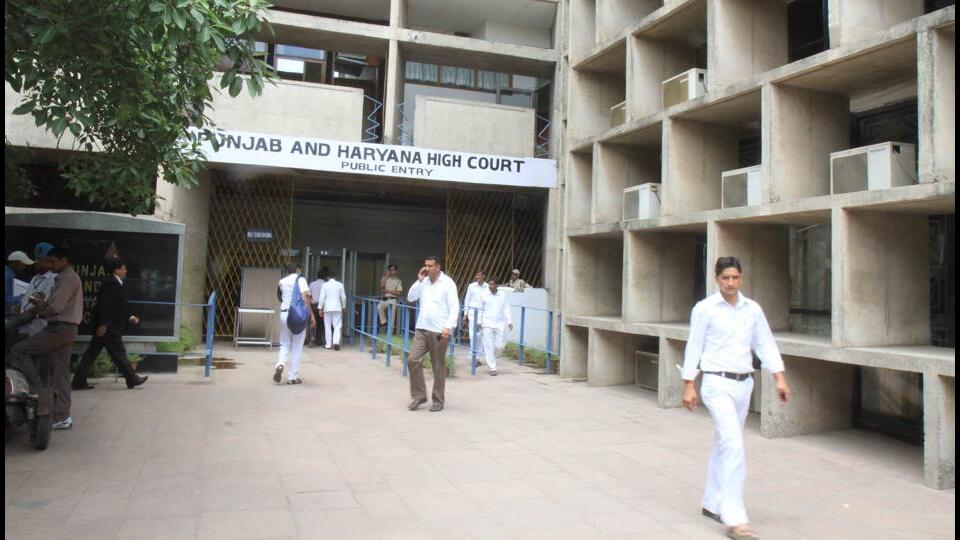
Even if allowing the application under Section 311 CrPC amounts to the filling up of a lacuna (at a later stage), that fact would remain subsidiary to the larger issue of the essentiality of the evidence and fairness in the trial to all sides, said a Punjab and Haryana high court bench


The Punjab and Haryana high court has asserted that the courts should permit parties to lead evidence of the kind and in the manner that it deems appropriate at any stage of trial and should ordinarily not curtail the same unless it is found that the evidence sought to be produced is “completely irrelevant” controversy in hand.
“Even if allowing the application under Section 311 CrPC amounts to the filling up of a lacuna (at a later stage), that fact would remain subsidiary to the larger issue of the essentiality of the evidence and fairness in the trial to all sides. While, it is true that the right of the accused to a fair trial is constitutionally protected under Article 21 of the Constitution of the India, it is the duty of the Court to allow the prosecution/complainant or for that matter the accused to rectify an error/oversight in the interest of justice (even at the belated stage of trial),” the bench of justice, Jasjit Singh Bedi said while quashing of a Pathankot court order.
The Section 311 of the CrPC deals with powers of court to summon material witness, or examine person present.
The case in hand was that of a cheque bounce case registered in August 2018. The complainant had completed examination of witnesses in January 2020, but in February 2022 filed an application seeking summoning of manager of the bank, where cheque had got dishonoured as it did not become clear as to how account of accused shown “blocked”. The trial court had dismissed the plea following which he had approached high court in February 2022.
The opposite party had argued that the application was filed to fill-up a lacuna in the case and at a stage when examination and cross-examination of the complainant had already taken place, it should not be allowed. The complainant was well-aware of the remarks, when he initiated case. Hence, it should not be allowed at a stage when trial is about to get completed, the accused had argued.
The court observed that the evidence sought to be produced is available with the bank and not something which can be prepared at a subsequent date by the complainant. Hence, it cannot be argued that since it was not produced earlier, it cannot be permitted to be produced now. The opposite party can challenge veracity of the evidence produced by cross-examination, the court said further adding that no irreparable loss would suffered, if the application to summon the manager alongwith the relevant record was allowed and allowed the plea.


